









Introduction
The culinary world has witnessed a remarkable evolution in recent years, with renowned restaurants, chefs, and food brands embracing the concept of multicultural fusion menus. This innovative approach to cooking blends the flavors, techniques, and ingredients from different culinary traditions, resulting in dishes that reflect the globalized world we live in today. As globalization continues to reshape food cultures, the fusion of diverse culinary practices provides consumers with an ever-expanding array of dining experiences. Whether it’s a French-Japanese dish or a Mexican-Indian fusion creation, these new gastronomic innovations are pushing the boundaries of traditional cuisine and offering fresh, exciting flavors that appeal to a wide range of palates.
This article explores how the integration of multicultural influences into restaurant menus is influencing global food trends, how renowned chefs and brands are leading the charge in culinary innovation, and how consumers are responding to this cross-cultural culinary experimentation. We will examine the factors driving this fusion movement, its benefits and challenges, and its broader implications for the future of food.
I. The Rise of Multicultural Fusion Cuisine
1.1. Understanding Multicultural Fusion Cuisine
Multicultural fusion cuisine is the art of combining ingredients, techniques, and cooking traditions from different parts of the world to create new, innovative dishes. This fusion can take many forms, from subtle incorporations of exotic spices into classic recipes to bold combinations of entirely different culinary traditions. The idea behind fusion cooking is to break down the cultural and geographical boundaries that have historically defined different culinary styles.
This phenomenon can be traced back to various periods of cultural exchange and migration, where the intermingling of food traditions led to the creation of hybrid dishes. Historically, fusion cooking has existed in many parts of the world, often as a result of trade, colonization, or immigration. However, it is only in recent decades that the concept has been embraced in a more intentional and widespread manner, especially in fine dining and upscale restaurants.
1.2. The Appeal of Fusion Cuisine for Today’s Consumers
In today’s rapidly globalizing world, consumers are increasingly exposed to a variety of international cuisines, thanks to travel, social media, and the growing influence of international food brands. This exposure has fueled a desire for new experiences and novel flavor combinations. Multicultural fusion cuisine offers just that—a unique, innovative dining experience that blends the familiar with the exotic, appealing to adventurous eaters and food enthusiasts.
Consumers are no longer content with sticking to one type of cuisine; they want to explore a diverse range of tastes and textures, and fusion menus provide an opportunity to do just that. The ability to experience the best of both worlds—whether it’s the fresh zest of Mexican food combined with the savory complexity of Korean BBQ or the smooth textures of French cuisine intertwined with the bold spices of Indian cooking—adds an element of surprise and excitement to dining.
1.3. Globalization and the Evolution of Fusion Cuisine
Globalization has played a key role in the rise of multicultural fusion cuisine. As people from diverse cultures interact more frequently—through migration, travel, and the digitalization of food content—there has been an increasing exchange of culinary ideas. The fusion movement has found fertile ground in cosmopolitan cities, where multicultural populations and a diverse range of dining preferences create an ideal environment for culinary experimentation.
Social media platforms, particularly Instagram and YouTube, have also played an instrumental role in the fusion food movement. Food bloggers, influencers, and chefs often share their fusion creations with millions of followers, spreading innovative food trends across borders in a matter of hours. This has led to a democratization of food culture, with food lovers across the world engaging in cross-cultural culinary experiences from the comfort of their own homes.
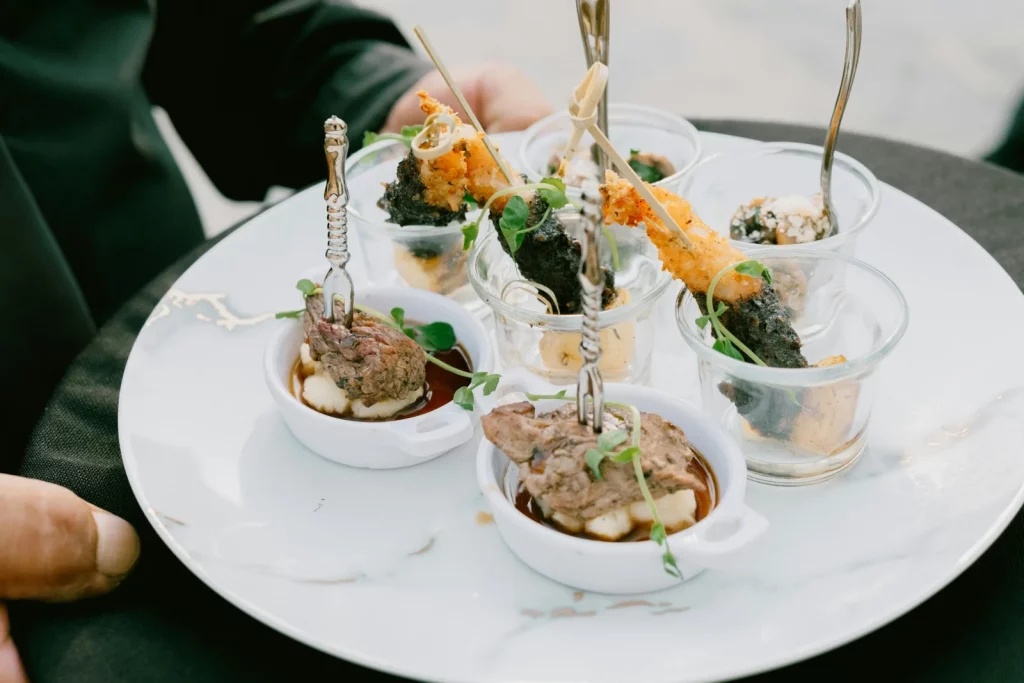
II. Pioneering Chefs and Restaurant Brands in Fusion Innovation
2.1. Renowned Chefs Leading the Fusion Revolution
Some of the most renowned chefs in the world have embraced the concept of multicultural fusion, using their culinary expertise to create new flavors that blend cultures and traditions. One of the pioneers of this movement is the famous chef David Chang, founder of the Momofuku restaurant group. Chang’s approach to fusion involves blending traditional Asian ingredients with modern techniques and international flavors, creating unique dishes such as the “bo ssam” (slow-roasted pork) served with a fermented kimchi salad.
Another influential figure in fusion cuisine is Roy Choi, who is widely credited with popularizing the Korean-Mexican fusion dish known as the “Korean taco.” His food truck, Kogi BBQ, which started in Los Angeles, was revolutionary in combining the bold flavors of Korean BBQ with the casual street-food style of Mexican tacos. The Kogi taco became an overnight sensation, embodying the spirit of fusion cuisine by combining elements of both culinary traditions in a way that was unexpected yet harmonious.
Fuchsia Dunlop, a British chef and food writer specializing in Chinese cuisine, has also embraced the concept of fusion cooking by blending the flavors and techniques of Chinese food with those of other Asian and Western traditions. Her work highlights the versatility of Chinese ingredients and demonstrates how they can complement and enhance a wide range of cuisines.
These chefs and many others are not just creating hybrid dishes—they are redefining what it means to cook and eat globally. By blending traditional techniques with modern innovation, they are setting the stage for a new era of culinary creativity.
2.2. How Major Brands Are Incorporating Fusion Cuisine into Their Menus
It’s not only individual chefs who are embracing the fusion trend—major restaurant chains and food brands are also capitalizing on multicultural innovation. Companies such as Chipotle, Shake Shack, and Taco Bell have incorporated elements of fusion into their menus, offering customers creative new takes on traditional fast-food favorites.
For example, Taco Bell has long been known for experimenting with cross-cultural flavors, introducing items like the “Crisp Chicken Quesadilla” and the “Doritos Locos Taco,” which combines classic Mexican flavors with modern American twists. This fusion approach allows Taco Bell to stand out in the competitive fast-food market by offering something familiar yet new.
Similarly, Shake Shack has embraced the fusion movement by offering items like the Shroom Burger, which pairs an American classic (the hamburger) with a more unexpected ingredient—an entire fried mushroom. Shake Shack’s global expansion, including in Asia and Europe, further highlights the appeal of blending local flavors with familiar Western fast-food options.
Chipotle, which is known for its fresh, customizable Mexican-inspired menu, has also embraced fusion elements by offering new items like the Adobo Steak Burrito, which incorporates traditional Mexican spices with high-quality cuts of steak. The trend of adding innovative twists to classic Mexican and American foods has allowed Chipotle to maintain its position as a leader in the fast-casual dining space.
2.3. Multicultural Menus as a Strategy for Global Expansion
For global food brands, introducing fusion cuisine is not just about creativity—it’s also a strategic move. By incorporating local ingredients and flavors from different regions into their menus, global brands can appeal to a wider range of tastes and preferences, especially when expanding into new international markets.
For instance, McDonald’s has long adapted its menu to cater to regional tastes, offering items like the McAloo Tikki Burger in India or the Teriyaki McBurger in Japan. These fusion offerings allow McDonald’s to tap into local food cultures while maintaining its global brand identity. Similarly, other fast-food giants have used fusion cuisine to craft menus that resonate with both local and international consumers.
III. The Consumer’s Response to Fusion Cuisine
3.1. The Growing Popularity of Fusion Dishes
The increasing popularity of fusion cuisine reflects consumers’ growing desire for novelty and exploration in their dining experiences. As culinary boundaries blur and international influences converge, diners are eager to try new combinations that reflect the dynamic nature of global food culture.
Many consumers today are actively seeking food experiences that go beyond traditional boundaries. For example, dishes like Sushi Burritos, which combine Japanese sushi with the casual nature of burritos, or Ramen Burgers, which swap out the traditional burger bun for ramen noodles, have become viral food trends on social media. These hybrid dishes are a direct response to the demand for exciting, unconventional food experiences.
3.2. Fusion Cuisine and Its Appeal to Younger Generations
Younger generations, particularly millennials and Gen Z, are leading the charge in embracing multicultural fusion menus. These consumers are more open to experimentation and have a heightened interest in food that reflects diverse cultures and traditions. Social media plays a significant role in amplifying food trends among younger consumers, who are keen on discovering and sharing unique, Instagrammable dishes.
As digital natives, younger consumers are also more connected to global food trends through platforms like Instagram, TikTok, and YouTube, where influencers and food creators often showcase the latest fusion food innovations. This connectivity has made fusion cuisine highly accessible, and its integration into social media culture has only accelerated its growth.
IV. The Challenges of Fusion Cuisine: Authenticity, Sustainability, and Over-Saturation
4.1. The Question of Authenticity
While multicultural fusion cuisine has gained widespread popularity, it has also sparked debate over authenticity. Some critics argue that fusion cooking can dilute or oversimplify traditional dishes, reducing their cultural significance. For instance, fusion creations that combine elements of disparate cuisines might lead to misunderstandings or misinterpretations of traditional recipes.
However, many chefs and culinary experts argue that fusion is not about replacing or appropriating a culture’s food but rather about celebrating the beauty of culinary diversity. As long as fusion dishes are approached with respect and a genuine appreciation for the source cuisines, they can contribute to the global food conversation without losing their cultural roots.
4.2. Sustainability Concerns in Fusion Cooking
Another challenge for the fusion food movement is sustainability. As chefs experiment with new ingredients and cooking techniques, there is growing pressure to ensure that the foods used are responsibly sourced and environmentally friendly. This is particularly relevant when incorporating ingredients from diverse regions, which may require long-distance shipping and increase the carbon footprint of the dish.
To address these concerns, many chefs are focusing on creating fusion dishes that are both delicious and sustainable. By sourcing locally when possible and prioritizing plant-based ingredients, culinary innovators are making strides toward ensuring that fusion cuisine remains aligned with sustainable food practices.
Conclusion
The rise of multicultural fusion menus represents a new era in global food culture, one where culinary boundaries are constantly being redefined. By embracing ingredients, techniques, and traditions from across the world, renowned chefs and brands are shaping the future of food in exciting and innovative ways. Whether in fine dining restaurants or fast-casual chains, fusion cuisine offers consumers a unique opportunity to experience the world through food.
As the fusion food movement continues to grow, it brings with it both exciting opportunities and challenges. The quest for new flavors, the blending of cultures, and the democratization of food knowledge are just a few of the forces shaping this new food landscape. Looking ahead, fusion cuisine will likely remain a vital part of global food culture, reflecting our increasingly interconnected world and the shared human experience of eating.