









Introduction
In the culinary world today, there is a remarkable trend of chefs reimagining traditional dishes and local ingredients through a modern lens. This approach is rooted in both nostalgia and innovation, as chefs strive to preserve the essence of their culinary heritage while simultaneously adapting to contemporary tastes and dietary preferences. From locally sourced vegetables to ancient grains and traditional fermentation techniques, chefs are tapping into centuries-old knowledge to create contemporary dishes that appeal to modern sensibilities.
This reimagining of local ingredients and cooking techniques isn’t just about nostalgia—it’s about innovation, sustainability, and bringing new life to regional flavors. By weaving tradition with modernity, chefs are crafting menus that tell a story, celebrate culture, and introduce diners to new experiences. This article explores how chefs around the world are revitalizing local ingredients and traditional cooking techniques, and how they balance authenticity with innovation in their kitchens. We will examine the motivations behind these reimaginings, the methods used, and the impact this trend has on the global food scene.
I. The Evolution of Tradition in Modern Kitchens
1.1. Understanding the Role of Tradition in Modern Cooking
Tradition in cooking is deeply ingrained in culture, passed down through generations of family recipes and regional techniques. However, as global culinary trends evolve, so too do traditional methods and ingredients. The integration of modern techniques, technologies, and global influences into traditional cooking allows chefs to explore new ways to bring age-old recipes into the 21st century.
At the heart of this trend is the desire to honor and preserve cultural heritage while making the food accessible and relevant to modern diners. Chefs are increasingly returning to their roots, revisiting traditional ingredients and cooking methods that have long been forgotten or underappreciated. This process of rediscovery not only introduces diners to the richness of local cuisines but also encourages them to explore regional food histories that may have been overlooked.
1.2. The Rising Demand for Locally Sourced Ingredients
A key aspect of this reimagining is the emphasis on using locally sourced, sustainable ingredients. The locavore movement, which encourages consumers to eat foods that are grown or produced within a certain radius of their homes, has influenced the way chefs approach traditional cooking. Chefs today are rediscovering local ingredients that have been used for generations but have fallen out of favor due to industrialization and globalization.
By focusing on local produce, meats, and seafood, chefs are not only supporting local economies but also promoting sustainability. They are increasingly aware of the environmental and health benefits of using seasonal ingredients, which are often fresher and more flavorful than those that have been transported long distances.
In addition to being environmentally conscious, chefs are also discovering that local ingredients often hold greater cultural significance. Using traditional, locally sourced foods allows chefs to reconnect with their cultural heritage, telling stories through food that speak to both the past and the present.
II. The Intersection of Tradition and Innovation
2.1. Modern Techniques Enhancing Traditional Methods
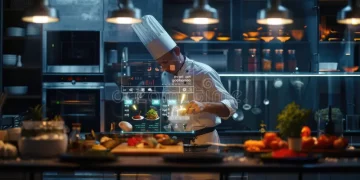
While traditional cooking techniques form the backbone of many dishes, modern technology has introduced new methods that allow chefs to push the boundaries of what is possible. Techniques such as sous-vide, molecular gastronomy, and fermentation are being applied to traditional recipes, giving them a contemporary flair without losing their roots.
Sous-vide, for example, is a technique that involves cooking food slowly in a vacuum-sealed bag in a water bath at a precise temperature. This method, although modern, can be used to perfectly cook traditional proteins like beef, lamb, or chicken, resulting in a more consistent and tender product that enhances the flavors without altering the original recipe. Chefs are incorporating sous-vide into their kitchens not as a substitute for tradition, but as a way to perfect it.
Molecular gastronomy, a cutting-edge technique that manipulates the physical properties of ingredients, has also found its place in the modern reinterpretation of traditional dishes. Chefs are using techniques like spherification (turning liquids into spheres) and foaming to transform familiar ingredients into something unexpected, enhancing the dining experience while maintaining the integrity of the traditional flavor profile.
Fermentation is another technique that has ancient roots but is being reinvigorated by modern chefs. Fermented foods like kimchi, miso, and pickles are not only being revisited for their flavor potential but also for their health benefits. As chefs explore new fermentation methods, they are creating contemporary twists on traditional fermented dishes, adding depth and complexity to their offerings.
2.2. Fusion and Cross-Cultural Innovation
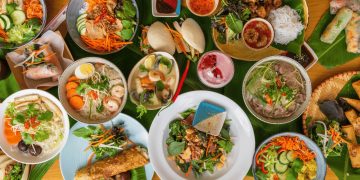
One of the most exciting aspects of the modern reinterpretation of tradition is the influence of cross-cultural exchange. Chefs are blending traditional methods from one culture with ingredients and techniques from another, creating hybrid dishes that reflect the best of both worlds. This blending of cultural influences isn’t about appropriation; rather, it’s about respectful fusion, where chefs take elements from different culinary traditions and adapt them to modern tastes.
For example, the French-Japanese fusion seen in restaurants like Narisawa in Tokyo, or the Italian-Asian combinations found in L’Atelier de Joël Robuchon, showcase how traditional techniques from one cuisine can be used in concert with new ingredients from another. French techniques like pâtisserie or sous-vide are being applied to Japanese dishes, creating new flavor profiles while maintaining respect for the original traditions.
This fusion approach extends beyond just flavor combinations. It also encompasses cooking styles, plating aesthetics, and dining experiences. By blending the best elements of both traditions, chefs create dishes that transcend their cultural boundaries and offer diners a truly global dining experience.
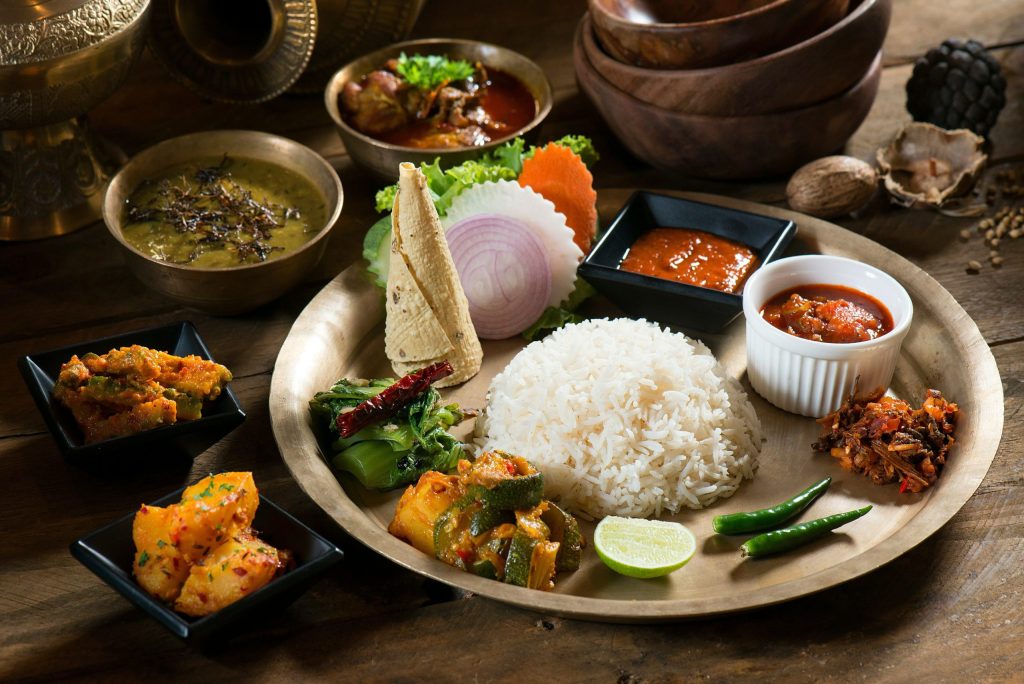
III. The Influence of Local and Traditional Ingredients in Contemporary Menus
3.1. Reviving Forgotten Ingredients
As chefs strive to reimagine traditional cuisine, they are increasingly turning to forgotten or underutilized local ingredients. These ingredients, often native to specific regions, were once staples in local diets but have been overshadowed by mass-produced, commercially available foods. Rediscovering these ingredients is part of a larger movement toward culinary sustainability and biodiversity.
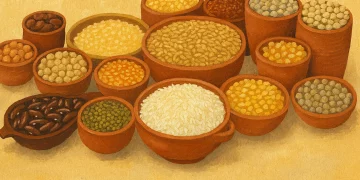
For example, teff, a tiny ancient grain from Ethiopia, has seen a resurgence in modern kitchens, not just in Ethiopia but globally. Rich in protein, fiber, and minerals, teff is being used in a variety of dishes, from bread to salads and even desserts, as chefs look for healthier alternatives to common grains like wheat or rice.
Similarly, native herbs and wild greens, often overlooked in contemporary cooking, are gaining recognition for their unique flavors and nutritional value. Chefs are incorporating wild garlic, dandelion, and other regional plants into their dishes, adding new dimensions of flavor while reconnecting diners with the natural bounty of the land.
Heirloom vegetables and fruits, such as the deeply flavorful Cherokee Purple tomato or the Rainbow Carrot, are being celebrated for their authenticity and depth of taste. These ingredients were once staples in local markets but have been replaced by more uniform and commercially viable varieties. By returning to these heirloom crops, chefs are honoring both the land and the people who have cultivated them for generations.
3.2. Sustainability and Ethical Sourcing
The use of local, sustainable ingredients is not just a trend—it’s a response to the growing awareness of the environmental impact of modern food production. By focusing on ethically sourced ingredients, chefs are taking responsibility for the future of food systems. This movement encourages consumers to consider the source of their food and the ecological footprint of the foods they eat.
Chefs are increasingly sourcing ingredients from local farmers, foragers, and artisans, ensuring that the food on their plates not only supports local economies but also minimizes environmental harm. These efforts align with the broader sustainability movement, which promotes organic farming, regenerative agriculture, and sustainable fisheries.
IV. Consumer Experience: Rediscovering Tradition Through Modern Plates
4.1. The Role of Storytelling in Modern Dining
One of the most exciting aspects of this reimagination of tradition is the opportunity for chefs to tell stories through food. By combining traditional ingredients and methods with modern techniques, chefs are able to create a narrative that connects diners to a place, a culture, and a history.
For instance, dishes like roast suckling pig or braised oxtail may be reinterpreted with new seasonings or cooking methods, but they still evoke memories of family gatherings, festivals, and communal meals. By bringing these dishes into a contemporary context, chefs are not just serving food—they are offering an experience that taps into deeper emotions and shared memories.
Additionally, the resurgence of traditional dining techniques such as family-style meals or interactive dining experiences, where diners participate in the preparation or presentation of their food, is creating a more intimate connection with the meal. This enhances the overall experience, fostering a sense of community and connection to the ingredients and the culinary traditions that inspired the dish.
4.2. The Rise of Fine Dining and Traditional Comfort Food
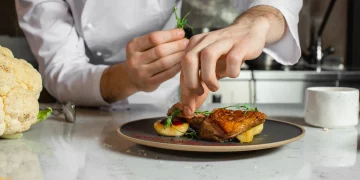
Another aspect of the modern reinterpretation of traditional cooking is the blending of fine dining and comfort food. Today, upscale restaurants are taking humble, traditional comfort foods and elevating them with sophisticated techniques and presentations. Dishes like macaroni and cheese, fried chicken, and pot roast are being reimagined with gourmet ingredients and modern techniques, offering diners a taste of nostalgia in a refined, contemporary setting.
This approach appeals to a wide range of diners, from food enthusiasts looking for innovative flavors to those seeking the comforting familiarity of traditional dishes. By elevating comfort food through modern techniques, chefs are bridging the gap between high-end dining and the everyday pleasure of home-cooked meals.
Conclusion
The culinary world is experiencing a fascinating movement where tradition and modernity converge in creative and flavorful ways. Chefs are taking the time-honored ingredients and techniques that have shaped their culinary cultures and reinterpreting them to meet the tastes and sensibilities of today’s diners. This balance of respect for tradition and commitment to innovation ensures that these ancient flavors and practices are not only preserved but reinvigorated for future generations.
As consumers continue to seek authenticity, sustainability, and unique dining experiences, the trend of modern reinterpretations of traditional food will likely continue to thrive. By rediscovering the rich diversity of local ingredients and regional cooking techniques, chefs are helping to shape the future of food in ways that are both forward-thinking and deeply rooted in the past.