







Introduction
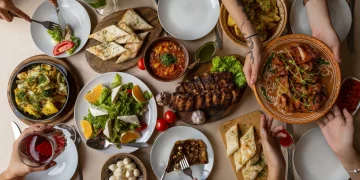
The intersection of food and social media has dramatically altered the way we experience, share, and appreciate global cuisine. The digital age has not only made it easier for individuals to access recipes and culinary traditions from across the globe but has also fostered a new form of community and identity centered around food. As social platforms continue to evolve, food sharing has become a multifaceted, highly dynamic interaction that blends entertainment, cultural exchange, and digital connectivity.
From Instagram photos of Instagrammable dishes to TikTok cooking challenges, food has become more than just sustenance. It has become a language—a universal way to communicate, bond, and share experiences. This article explores the socialization of global cuisine through food sharing and social platforms, examining the implications of digital food culture and how it influences food consumption, traditions, and global connectivity.
I. The Emergence of Food Sharing Platforms
1.1. The Rise of Social Media in the Culinary World
In recent years, social media has radically transformed the culinary landscape. Platforms like Instagram, YouTube, Facebook, and TikTok have become central hubs for discovering and sharing food. Visual storytelling on these platforms allows food to transcend geographic, cultural, and linguistic barriers. Hashtags such as #foodie, #foodporn, and #cookingtips have built a vibrant ecosystem where users from all over the world can connect, discover, and participate in a global conversation about food.
The imagery of food—especially when it is presented artistically—has created a new aesthetic that draws people in. The “foodie” culture, once a niche group of culinary enthusiasts, has now evolved into a mainstream obsession, with people everywhere sharing their meals, cooking experiments, and food reviews. Social media has democratized food appreciation, allowing individuals to create content that can go viral and spread worldwide in an instant.
1.2. Platforms Facilitating Food Sharing
Several platforms have specifically tailored their functionalities to meet the needs of food lovers. Instagram is arguably the most significant visual platform for food sharing, with millions of food-related posts tagged daily. YouTube has become a go-to site for recipe tutorials, cooking shows, and vlogs where food creators showcase their talents and culinary journeys.
TikTok, known for its short-form videos, has sparked viral food trends, such as the “cottage cheese pasta” or “cloud bread” challenges. These platforms have empowered everyday individuals to share their cooking skills, discover new cuisines, and even launch successful culinary businesses.
Additionally, websites and apps like Food52, Yummly, and Allrecipes offer robust community engagement through recipe sharing, rating systems, and user-generated content. These platforms are hubs for culinary experimentation, as users collaborate to create new dishes or refine classic recipes.
II. The Role of Social Media in the Globalization of Food Culture
2.1. Breaking Down Cultural Barriers
Social media has enabled the globalization of food culture by connecting disparate culinary traditions. People no longer need to travel abroad to experience authentic dishes from other cultures—global cuisine is now available at the touch of a button. Through food photography, video recipes, and influencer marketing, platforms like Instagram and YouTube have brought the world’s food to our screens and kitchens.
Consider the global reach of cuisines like sushi, tacos, or ramen. What was once considered ethnic food is now consumed globally, often with local adaptations. Social media platforms facilitate the exchange of recipes and the sharing of cooking techniques, enabling people to try dishes from various parts of the world and experiment with fusion cuisine.
Culinary influencers, food bloggers, and chefs from diverse backgrounds have used these platforms to showcase their heritage, sparking an interest in traditional foods. For example, Chef José Andrés, who advocates for global cuisine and food security, uses platforms like Twitter and Instagram to share insights about his culinary ventures, sparking global conversations around food culture and humanitarian issues.
2.2. Influencers and Food Trends
The power of influencers in shaping global food culture cannot be overstated. Celebrity chefs like Gordon Ramsay and Jamie Oliver have long held sway in the food world, but today’s influencers are often ordinary individuals who have garnered large followings through their food-centric content. These influencers can shape food trends, inspire recipes, and even influence eating habits.
For instance, viral food trends such as the “Dalgona coffee” during the pandemic, or the recent surge in plant-based food content, can be traced back to social media influencers showcasing these trends. The democratization of food culture via influencers has led to an ever-evolving digital marketplace where the boundaries of what is considered “mainstream” cuisine are constantly expanding.
III. Food Sharing as a Social Experience
3.1. The Emotional and Social Impact of Sharing Food Online
Food has always had an emotional and social component, from family dinners to community feasts. In the digital age, food sharing on social platforms provides a new avenue for connection. Sharing food pictures and recipes online is often a form of self-expression and a way to build relationships. For many, the act of posting a meal or a recipe is a way to share part of their identity, culture, or personal story.
On platforms like Instagram and Facebook, food posts often serve as a reflection of personal milestones, such as birthdays, holidays, or vacations. These posts enable people to share their experiences with friends and family who may be far away. Social media also fosters a sense of belonging within food-based communities. Users with similar culinary interests, whether it’s veganism, baking, or international street food, can easily find each other online and interact through comments, DMs, or live cooking events.
3.2. Virtual Communities and the Global Kitchen
Online communities have become vital spaces for people to exchange culinary ideas and learn about new dishes. Facebook groups, Reddit forums, and even TikTok hashtag challenges allow individuals to connect based on shared food interests, from specific diets (such as keto or gluten-free) to a love of a particular cuisine (e.g., Thai, Mediterranean, or French food). These virtual communities function as global kitchens where people cook, share, and critique each other’s dishes.
These communities are not limited to traditional food-sharing; they often go beyond recipes, offering advice on kitchen tools, ingredient substitutions, meal prepping, and food sustainability. As a result, food-sharing platforms have become spaces for both educational and social engagement, supporting individuals in their culinary journeys and helping them navigate new food trends.
IV. The Business of Food Sharing: Digital Platforms and Monetization
4.1. Culinary Entrepreneurs and Digital Food Business
The rise of food-sharing platforms has also opened doors for culinary entrepreneurs. Chefs, home cooks, and food brands are using platforms like YouTube, Instagram, and TikTok to market their products, services, and recipes directly to consumers. The ability to reach a global audience has revolutionized the food industry, enabling small-scale businesses and individual chefs to compete with larger, established entities.
Food entrepreneurs are monetizing their online presence through various methods, including sponsored posts, cooking tutorials, product placements, and partnerships with food brands. Some creators have turned their passion for cooking into full-fledged businesses, offering paid memberships, exclusive recipes, and even live-streamed cooking classes.
4.2. Subscription Models and Online Food Services
The proliferation of food sharing platforms has also given rise to subscription-based services, where users can access premium content, such as personalized meal plans, cooking classes, and exclusive recipes. Services like Patreon allow food influencers and creators to build dedicated followings and monetize their content directly from fans.
Additionally, platforms like Uber Eats, DoorDash, and Postmates have enabled local food businesses to expand their reach and cater to a larger customer base, thereby increasing the accessibility of diverse cuisines and promoting food globalization at the consumer level.
V. Challenges and Opportunities
5.1. The Dark Side of Food Sharing: Misinformation and Cultural Appropriation
While food sharing platforms have empowered individuals and globalized culinary traditions, they are not without their challenges. The rapid spread of food content online can lead to the misrepresentation of traditional recipes or culinary practices. For example, the trend of “fusion cuisine” sometimes oversimplifies or commercializes traditional dishes in ways that may be offensive or culturally insensitive.
Moreover, the pressure to create visually stunning, viral food content can lead to the promotion of unrealistic standards around food. The emphasis on “Instagrammable” meals may detract from the deeper cultural or social significance of certain dishes, reducing them to mere aesthetics rather than appreciating their historical or cultural importance.
5.2. Sustainability and Ethical Food Sharing
Another challenge is sustainability. The food-sharing culture, especially when coupled with influencer-driven trends, can create pressure on consumers to try the latest food craze. This can lead to overconsumption and food waste, particularly when viral trends require the use of large quantities of ingredients that may not be used again after the trend fades.
On the flip side, these platforms also present opportunities for promoting sustainable food practices. Many influencers and food bloggers are advocating for plant-based diets, locally sourced ingredients, and environmentally friendly cooking practices, thus encouraging their followers to adopt more sustainable eating habits.
Conclusion
The socialization of global cuisine through food-sharing platforms has undoubtedly reshaped how we engage with food. From virtual food communities to the business opportunities for culinary creators, the digital transformation of food culture is both exciting and complex. It has broken down cultural barriers, democratized food access, and created new spaces for culinary creativity. However, it also raises important questions about sustainability, cultural sensitivity, and the pressures of digital food culture.
As we continue to navigate this digital food revolution, it’s clear that social media and food-sharing platforms will remain central to the future of global cuisine. They have the power to shape not only what we eat but also how we experience food, forge connections, and celebrate culture in a rapidly changing world.