









Introduction: The Growing Trend of Culinary Tourism
In recent years, culinary tourism has evolved into one of the most exciting and immersive ways to explore the world. Whether through attending vibrant food festivals or participating in hands-on cooking classes, travelers are increasingly seeking ways to engage with local food cultures. These experiences offer more than just a taste of regional cuisine—they provide insight into the history, traditions, and values of different cultures.
As the world becomes more interconnected, people are looking for deeper, more meaningful travel experiences that go beyond the typical tourist attractions. Food festivals and cooking class tourism offer unique opportunities to connect with locals, understand the art of cooking, and enjoy authentic, regional dishes in the environments where they originated.
This article will explore the growing popularity of food festivals and cooking classes as essential components of culinary tourism. We will look at the history and evolution of food-related travel experiences, highlight some of the most famous and influential global food festivals, and explore the benefits of cooking classes as a way for travelers to actively engage with food culture. Additionally, we will discuss the future of food tourism and its potential to shape the travel industry.
Section 1: The Rise of Culinary Tourism
What is Culinary Tourism?
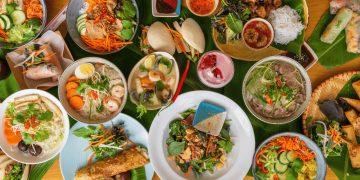
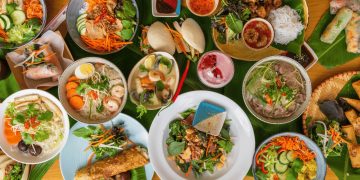
Culinary tourism (sometimes called food tourism or gastronomic tourism) is a niche form of tourism that centers around the exploration of food. It involves traveling to different regions or countries with the primary goal of experiencing their cuisine, whether by dining at local restaurants, visiting food markets, attending food festivals, or taking cooking classes. Unlike traditional tourism, which focuses on sightseeing or historical landmarks, culinary tourism is immersive—it’s about exploring the world through taste, flavor, and food culture.
The concept of culinary tourism has existed for centuries. For example, travelers have long visited places like France, Italy, and Thailand to experience authentic regional dishes. However, in recent decades, food tourism has gained significant popularity, partly due to the rise of food-focused media (such as TV shows, cookbooks, and social media) and the increasing desire for more authentic, culturally rich travel experiences.
The Appeal of Food Festivals and Cooking Classes
Food festivals and cooking classes are integral to the culinary tourism experience because they provide opportunities for travelers to experience local food cultures up close.
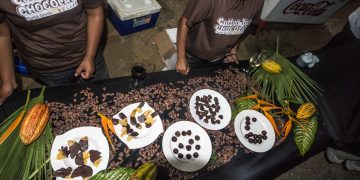
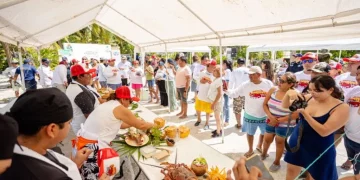
- Food festivals are celebratory events dedicated to showcasing local or regional cuisine. They offer visitors the chance to sample a variety of dishes, meet local chefs, learn about culinary traditions, and engage in interactive food experiences.
- Cooking classes, on the other hand, allow travelers to take an active role in the culinary experience. In these classes, participants learn how to prepare traditional dishes under the guidance of experienced chefs. This hands-on approach not only enhances the learning experience but also provides a deeper understanding of the ingredients, techniques, and flavors that make each dish unique.
As food tourism continues to grow, these two aspects of culinary travel are becoming key drivers of the industry, helping travelers to immerse themselves in the food cultures they visit and connect with locals in authentic and meaningful ways.
Section 2: The Global Appeal of Food Festivals
Famous Food Festivals Around the World
Food festivals are among the most popular ways for travelers to engage with local cuisine, and they take place in virtually every corner of the globe. These festivals often celebrate specific foods, regions, or culinary traditions, offering a window into the food culture of the host city or country. Below are a few examples of iconic food festivals that attract thousands of visitors each year.
- La Tomatina – Spain
One of the most famous food festivals in the world, La Tomatina takes place in Buñol, Spain, every August. The festival is essentially one big food fight where participants throw ripe tomatoes at each other in the streets. While it’s chaotic and fun, it’s also a celebration of the country’s love for tomatoes, which play a significant role in Spanish cuisine. - Oktoberfest – Germany
Oktoberfest, held annually in Munich, is the world’s largest beer festival and one of the most famous food festivals globally. Visitors from around the world flock to Munich to enjoy traditional German beer, food, and cultural activities. The festival is a celebration of Bavarian culture, with iconic dishes like pretzels, sauerkraut, bratwurst, and schweinehaxe (roast pork knuckle). - Pasta Festival – Italy
Held in Gragnano, Italy (known as the pasta capital of the world), the Pasta Festival celebrates all things pasta. Visitors can enjoy pasta-making workshops, cooking demonstrations, and pasta-tasting events. The festival highlights Italian culinary traditions and the importance of pasta in Italian cuisine. - The Melbourne Food and Wine Festival – Australia
The Melbourne Food and Wine Festival is one of Australia’s premier food events, attracting chefs, food lovers, and tourists from around the world. The festival features a diverse range of events, from street food markets and gourmet dining experiences to wine tastings and cooking classes. It showcases both local Australian produce and international culinary influences. - The Taste of Chicago – USA
Held every summer, The Taste of Chicago is one of the largest food festivals in the United States. It offers a taste of the Windy City’s diverse culinary scene, with more than 70 local restaurants participating. Visitors can sample everything from deep-dish pizza to Chicago-style hot dogs and ethnic street food. - The Bangkok Street Food Festival – Thailand
Thailand is world-renowned for its street food, and the Bangkok Street Food Festival is a celebration of the city’s bustling street food scene. The festival features street food vendors from across the city, offering an incredible variety of Thai dishes, such as pad thai, green curry, som tam (papaya salad), and mango sticky rice.
The Role of Food Festivals in Tourism
Food festivals are not just about eating—they also serve as a platform for cultural exchange. Visitors from different parts of the world can learn about the local food culture, interact with local chefs, and understand the history and traditions behind the dishes being served.
In addition to boosting tourism, food festivals often have a significant economic impact on local economies. They bring in tourists who spend money on food, accommodations, transportation, and other local experiences, which helps support local businesses.
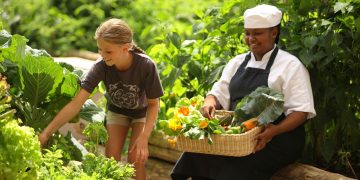
Food festivals also promote sustainability by encouraging the use of local ingredients and supporting small-scale farmers and producers. Many festivals now emphasize the importance of seasonality and sustainable practices, which aligns with the growing global interest in ethical eating.
Section 3: Cooking Classes as Part of Culinary Tourism
The Growing Popularity of Cooking Classes
While food festivals are an excellent way to experience the flavors of a region, cooking classes offer an immersive experience that allows travelers to engage with food on a deeper level. Cooking classes enable travelers to learn how to prepare traditional dishes from local chefs, giving them the skills to recreate those dishes at home.
Cooking classes can vary from short, one-day experiences to multi-day courses that delve deep into regional culinary techniques. Some classes focus on specific dishes or ingredients (like sushi-making in Japan or pasta-making in Italy), while others provide broader overviews of a region’s culinary traditions.
- Cooking Classes in Italy
Italy is one of the most popular destinations for cooking classes, with many tourists seeking to learn how to make traditional Italian pasta or pizza. In Tuscany, travelers can join wine-pairing and olive oil-tasting classes to learn about the region’s agriculture and how food and wine complement each other. - Thai Cooking Classes
Thailand offers numerous cooking schools in places like Chiang Mai and Bangkok, where travelers can learn how to make popular dishes like green curry, pad Thai, and spring rolls. These classes often start with a visit to a local market to buy fresh ingredients before returning to the kitchen to prepare the dishes. - Cooking in Japan
Japanese cooking classes provide an opportunity to learn the delicate art of preparing sushi, ramen, or tempura under the guidance of master chefs. In cities like Kyoto and Tokyo, travelers can engage in hands-on workshops that focus on seasonal ingredients and techniques unique to Japanese cuisine. - Spanish Cooking Workshops
Spain offers a variety of cooking classes that teach tourists how to make paella, tapas, and jamón ibérico. Barcelona and Madrid are popular destinations for cooking schools, where visitors can also learn the art of making sangria or traditional Catalan dishes.
The Benefits of Cooking Classes for Travelers
Cooking classes offer several unique benefits for culinary tourists:
- Hands-on Experience: Instead of just sampling food, travelers learn the skills and techniques to cook the dishes themselves, which enhances their understanding of the cultural context behind the food.
- Cultural Immersion: Cooking classes allow travelers to engage with local chefs and learn about the history, customs, and traditions of the region’s cuisine in a more intimate setting.
- Lasting Memories: Participants often return home with recipes, skills, and memories they can recreate in their own kitchens, making the experience long-lasting.
- Connection to Local Communities: Cooking classes provide an opportunity to meet local people, build connections, and support local businesses, which enriches the overall travel experience.
Section 4: The Future of Food Festivals and Cooking Class Tourism
Trends Shaping the Future of Culinary Tourism
As food tourism continues to grow, several emerging trends are shaping the future of food festivals and cooking class tourism:
- Sustainability and Local Sourcing
There is a growing emphasis on sustainable practices in both food festivals and cooking classes. Travelers are increasingly interested in learning how to prepare dishes using local, seasonal ingredients and supporting sustainable food production methods. - Culinary Wellness
Many travelers are now seeking food experiences that promote health and wellness. This has led to the rise of plant-based cooking classes, organic food festivals, and culinary experiences focused on nutrition and mindful eating. - Virtual Cooking Classes
As travel restrictions and global health concerns continue to shape the tourism industry, virtual cooking classes have become a popular alternative. These online classes allow travelers to learn new cooking skills and explore global cuisines from the comfort of their own homes. - Culinary Cruises
Culinary cruises are becoming an increasingly popular way to explore multiple food cultures while traveling. These cruises often feature onboard cooking classes, food-themed excursions, and tasting events at various port stops.
Conclusion: A Delicious Journey Awaits
Food festivals and cooking class tourism represent a vibrant and exciting way for travelers to explore the world. These experiences allow for deeper engagement with local cultures, promote sustainable culinary practices, and offer opportunities for personal growth and creativity in the kitchen.
As the world of food tourism continues to expand, the integration of food festivals, cooking classes, and culinary experiences will only grow stronger. Whether you’re a seasoned foodie or a curious traveler, these immersive experiences offer the perfect opportunity to savor the world’s flavors while gaining a deeper appreciation for the culture, history, and artistry that make food such a universal language of connection.