









Introduction: The Rise of Online Food Delivery Platforms
The global food industry has experienced significant changes over the past decade, with a noticeable shift in consumer behavior and the rise of online food delivery platforms and takeout services. The advent of companies like UberEats, DoorDash, Grubhub, and Deliveroo has transformed the way people access and consume food, challenging traditional dining models that were once the cornerstone of the restaurant industry.
Consumers today no longer have to leave their homes to enjoy restaurant-quality meals. With just a few clicks on a mobile app, they can order food from their favorite restaurants and have it delivered directly to their doorstep. This shift towards convenience, coupled with changing lifestyles, has had a profound impact on the foodservice industry, particularly on brick-and-mortar restaurants and the traditional dining experience.
This article explores how online food delivery services are challenging traditional dining models, the effects on the restaurant industry, the benefits and drawbacks of online food delivery, and the future of the foodservice sector in a digitally driven world.
I. The Evolution of the Restaurant Industry: Traditional Dining Models vs. Online Food Delivery
1.1 Traditional Dining Models: The Foundation of the Foodservice Industry
Traditional restaurants have long been the cornerstone of the foodservice industry. The experience of dining out, sitting at a table, interacting with servers, and enjoying freshly prepared meals in a social setting is deeply ingrained in culinary culture worldwide. Restaurants of all kinds—ranging from fast food chains to fine dining establishments—have thrived by offering a social space for people to gather, share meals, and connect with others.
However, this model relies heavily on in-person interactions, which can sometimes be limiting for consumers seeking convenience or unable to visit a restaurant due to time constraints or geographical barriers. The physical presence required for traditional dining experiences often means that restaurants must maintain large spaces, hire substantial staff, and manage high overhead costs associated with operating a physical location.
1.2 The Rise of Online Food Delivery Platforms: Convenience at Your Doorstep
The emergence of online food delivery services has radically shifted the dynamics of the foodservice industry. Platforms like UberEats, DoorDash, Postmates, and Just Eat have made it easier than ever for consumers to enjoy restaurant-quality meals without leaving the comfort of their homes. These platforms have seen exponential growth, fueled by advancements in mobile technology, the increasing use of smartphones, and consumer demand for convenience.
1.2.1 Key Features of Online Food Delivery Platforms
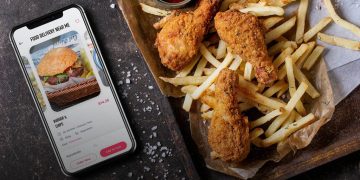
- Seamless Ordering Process: Through user-friendly apps, customers can browse restaurant menus, customize orders, and pay for their meals—all within a few minutes.
- Real-Time Tracking: Customers can track their delivery drivers in real-time, which enhances the overall convenience of ordering food from home.
- Variety and Flexibility: Consumers have access to a wider range of dining options, including local restaurants, fast food, and specialty cuisines, often with multiple choices for each meal category.
- Time Efficiency: Delivery services allow consumers to bypass the time-consuming process of dining out, waiting for a table, and dealing with the logistics of travel.
Online food delivery platforms not only cater to consumers’ increasing desire for efficiency but also provide them with a diverse selection of restaurants and menus, making it easier for individuals to access foods they may not otherwise be able to enjoy.
II. The Impact of Online Food Delivery on Traditional Dining Models
2.1 Consumer Preferences: A Shift Toward Convenience and Speed
One of the primary drivers behind the success of online food delivery services is the changing preferences of consumers. The modern consumer is increasingly valuing convenience and speed in their daily lives. The advent of delivery apps, along with the increasing pace of urban life, means that more individuals are opting for delivery as a faster and more efficient way to enjoy meals.
2.1.1 The Growth of ‘Delivery-Only’ Restaurants
The rise of online delivery platforms has also given birth to a new trend—delivery-only restaurants or ghost kitchens. These are restaurants that do not have a physical dining space but instead operate exclusively through delivery apps. Ghost kitchens allow restaurateurs to save on overhead costs (e.g., rent, staff, utilities) while focusing on producing food for delivery. This model has rapidly gained traction in cities around the world, where the demand for quick and affordable food delivery is high.
2.2 Impact on Traditional Restaurants: Opportunities and Challenges
While the rise of online food delivery services has provided new business opportunities for restaurants, it has also posed significant challenges for traditional dining establishments.
2.2.1 Opportunities for Expansion
Traditional restaurants can leverage online food delivery platforms to expand their customer base and increase revenue. By partnering with delivery services, restaurants can reach a larger audience who may not have visited the physical location. In fact, many restaurants have experienced an increase in sales through online ordering channels. For example, a small local pizzeria can now serve customers across a broader region, thanks to the widespread reach of delivery apps.
2.2.2 Operational and Financial Challenges
On the flip side, integrating delivery services comes with its own set of challenges. Restaurants may face increased competition, as consumers can now easily compare prices, quality, and delivery times from a wide range of eateries. Additionally, delivery platforms often charge commission fees, which can significantly impact the profit margins of restaurants. In some cases, restaurants find that the cost of delivery service partnerships eats into their profitability, especially for smaller establishments.
Moreover, traditional restaurants must adjust to new operational workflows that are optimized for delivery. This includes ensuring that meals are packaged and transported efficiently, adapting their menus to meet delivery standards (e.g., ensuring that food remains fresh during transit), and managing delivery logistics.
2.3 Consumer Experience: Changing Social Dynamics
In addition to shifting business models, online food delivery platforms have altered the overall dining experience for consumers. Dining out traditionally serves as a social activity—an opportunity for friends and family to gather, celebrate, or enjoy quality time together. However, the ease and speed of food delivery apps mean that social dining is no longer a requirement for enjoying a quality meal.
2.3.1 The Rise of Solo Dining and Delivery for Convenience
For many people, the convenience of ordering food to their doorstep has changed the way they experience food. Solo dining has become increasingly common, especially among busy professionals, college students, and individuals seeking convenience. The ability to enjoy restaurant-quality food without leaving home or engaging in social interaction is now a viable option for many.
At the same time, food delivery apps have created new forms of food discovery. Consumers now have access to a wider variety of foods, including niche offerings from different cultural backgrounds and cuisines, all without leaving the comfort of their homes.
III. Benefits and Drawbacks of Online Food Delivery
3.1 Benefits: Convenience, Access, and Consumer Choice
- Convenience: Online food delivery provides unparalleled convenience, allowing consumers to access food quickly and efficiently from the comfort of their homes or workplaces.
- Increased Access to Restaurants: Consumers can explore and order from a diverse range of local, regional, and international restaurants without geographic limitations.
- Personalization: Many platforms offer personalized recommendations, meal tracking, and dietary preferences, allowing consumers to tailor their dining experiences.
3.2 Drawbacks: Quality, Cost, and Health Concerns
- Quality Control: One of the major challenges of food delivery is maintaining the quality of the food after it leaves the kitchen. Temperature control, packaging, and transportation can all impact the final dining experience, leading to a decline in food quality.
- Cost: Delivery fees, service charges, and tips can add up quickly, making food delivery more expensive than dining in. For restaurants, the commission fees charged by delivery platforms can also reduce their profit margins.
- Health Implications: The convenience of delivery often leads to a higher consumption of processed foods, fast food, and less nutritious options, which may contribute to poor dietary habits and health issues like obesity.
IV. The Future of the Foodservice Industry: Adaptation or Disruption?
As the food delivery market continues to grow, the question remains whether traditional restaurants will be able to adapt to the new digital landscape or be overtaken by more agile, delivery-focused models.
4.1 The Rise of Hybrid Models
In response to changing consumer demands, many restaurants are adopting hybrid business models that combine both dine-in experiences and delivery services. Some restaurants have dedicated delivery-only kitchens, allowing them to expand their menu and reach a broader audience without compromising their traditional in-house experience. Additionally, many high-end restaurants are exploring new avenues, including creating virtual tasting menus or offering subscription-based meal kits.
4.2 Sustainability and Technology
As the demand for food delivery grows, so does the need for more sustainable practices. Restaurants and delivery platforms are increasingly focusing on reducing food waste, utilizing eco-friendly packaging, and improving the carbon footprint of delivery operations. Furthermore, artificial intelligence (AI) and machine learning are playing a larger role in food delivery logistics, helping improve delivery times, reduce errors, and optimize routes.
Conclusion: The Future of Dining—Adaptation, Innovation, and Consumer-Centric Solutions
The rise of online food delivery platforms has irrevocably changed the landscape of the restaurant industry. While traditional dining models face challenges, the continued growth of online food delivery services presents numerous opportunities for innovation, consumer engagement, and business expansion.
As the industry adapts to the evolving needs of consumers, the future of dining lies in balance—finding ways to combine the convenience and efficiency of food delivery with the social, cultural, and experiential aspects of dining out. Restaurants that embrace technology, maintain high standards of food quality, and prioritize consumer preferences will likely thrive in this dynamic, fast-paced food environment.
Ultimately, as consumers increasingly demand both convenience and quality, the next phase of the foodservice industry will involve a seamless integration of traditional dining experiences with modern, tech-driven solutions.