









Introduction: A New Era in Food Innovation
The food industry is undergoing a profound transformation, driven by technological innovation and sustainability concerns. Among the most groundbreaking developments are lab-grown meat (also known as cultured meat) and 3D printed food, both of which promise to redefine how we produce, consume, and perceive food. These innovations not only aim to address pressing issues such as climate change, animal welfare, and global food security, but they also open new possibilities for culinary creativity and personalized nutrition.
Lab-grown meat, cultivated from animal cells, allows for the production of real meat without the environmental and ethical costs associated with traditional livestock farming. Meanwhile, 3D food printing leverages precision engineering and material science to create foods in shapes, textures, and flavors that were previously unimaginable, allowing chefs and consumers to experiment with novel culinary experiences. Together, these technologies are creating a revolutionary shift in the food industry, challenging traditional production methods, supply chains, and even the cultural norms around eating.
This article explores the science, technology, market impact, ethical implications, and future potential of lab-grown meat and 3D printed food. It examines how these innovations are reshaping the food industry, influencing consumer behavior, and redefining the concept of what food can be.
Section 1: Lab-Grown Meat – Science and Sustainability
1.1 The Science Behind Cultured Meat
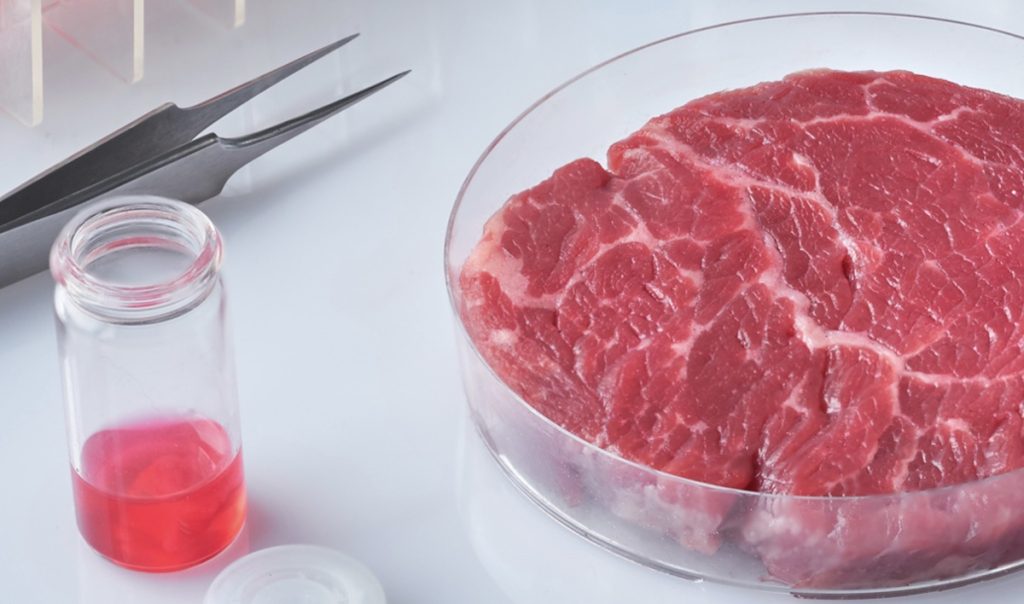
Lab-grown meat is produced by culturing animal cells in a controlled environment, eliminating the need to raise and slaughter animals. The process begins with satellite cells or stem cells extracted from a living animal. These cells are then placed in a nutrient-rich growth medium that encourages them to multiply and differentiate into muscle tissue, fat, and connective tissue. Over time, these tissues develop into a structure that closely resembles conventional meat in taste, texture, and nutritional profile.
The development of lab-grown meat relies on breakthroughs in cell biology, tissue engineering, and bioreactor technology. Researchers have successfully produced various types of meat, including beef, chicken, pork, and even seafood, with some companies experimenting with hybrid formulations that combine plant-based and cell-based ingredients.
1.2 Environmental and Ethical Benefits
The environmental benefits of lab-grown meat are substantial. Traditional livestock farming is a major contributor to greenhouse gas emissions, deforestation, and water consumption. Cultured meat, by contrast, has the potential to reduce greenhouse gas emissions by up to 90%, water usage by up to 95%, and land use by more than 99%, according to some studies.
Ethically, lab-grown meat eliminates the need for animal slaughter, addressing concerns about animal welfare and cruelty in the food industry. This technology allows consumers to enjoy meat without the ethical dilemmas historically associated with animal farming.
1.3 Market Trends and Consumer Adoption
The cultured meat market has expanded rapidly over the past decade, with startups like Memphis Meats, Mosa Meat, and Upside Foods pioneering production and commercialization. While lab-grown meat is still in the early stages of mass-market adoption, pilot products such as cell-based chicken nuggets and beef patties have already reached select markets in Singapore, the United States, and Europe.
Consumer acceptance remains a challenge, as perceptions of “unnatural” food or high costs can inhibit adoption. However, surveys indicate that younger generations and environmentally conscious consumers are more likely to embrace lab-grown meat, especially when framed in terms of sustainability, health benefits, and ethical consumption.
Section 2: 3D Printed Food – Innovation on the Plate
2.1 How 3D Food Printing Works
3D food printing is an additive manufacturing process that builds edible products layer by layer using food-grade ingredients. The technology relies on digital design software, precision extrusion systems, and material formulations to create customized shapes, textures, and flavors. Ingredients can range from chocolate, dough, and purees to more complex mixtures like protein pastes, gels, or plant-based blends.
Advanced 3D printers allow for precise control over nutrient content, texture, and aesthetic design, making it possible to produce personalized meals, novel desserts, and complex gourmet creations. For example, 3D printing can create intricate chocolate sculptures, geometrically perfect pasta, or even food with embedded nutrients tailored to an individual’s dietary needs.
2.2 Culinary Creativity and Customization
One of the most exciting aspects of 3D food printing is the creative freedom it affords chefs and consumers. Traditional food preparation is often constrained by labor-intensive techniques and ingredient limitations. With 3D printing, foods can be designed digitally, allowing for shapes, colors, and combinations that would be difficult or impossible to achieve manually.
3D printed food also opens the door to personalized nutrition, where meals can be tailored to meet individual dietary requirements. For example, printers can create vitamin-enriched foods for seniors, protein-optimized meals for athletes, or allergen-free options for those with dietary restrictions. This level of customization aligns with the growing trend of health-conscious eating and functional foods.
2.3 Industrial Applications
Beyond culinary experimentation, 3D printing has practical applications in mass food production and space exploration. NASA has been exploring 3D printing as a way to provide astronauts with nutritious, varied meals during long-duration space missions. In commercial kitchens, 3D printing can streamline production, reduce waste, and enable complex food presentations for fine dining establishments and large-scale catering services.
Section 3: The Convergence of Lab-Grown Meat and 3D Printing
3.1 Combining Technologies for the Future of Food
The intersection of lab-grown meat and 3D printing represents a particularly promising frontier. Scientists and engineers are exploring ways to print cell-based meat into complex structures that mimic real muscle and fat distribution, enhancing both the taste and mouthfeel.
This convergence allows for precise control over:
- Nutrient composition, creating customized protein and fat ratios.
- Texture and structure, replicating authentic meat fibers.
- Portioning, producing meals with consistent size and weight.
The combination of these technologies could redefine what we consider a meal, making it possible to produce ethically sourced, nutritionally optimized, and visually stunning dishes at scale.
3.2 Potential Impact on Traditional Meat and Food Industries
As lab-grown meat and 3D printing technologies mature, traditional meat and food industries may undergo substantial shifts. Some potential impacts include:
- Reduced reliance on livestock farming, lowering environmental impact.
- New supply chains, focused on bioreactors, growth media, and printing equipment.
- Shift in culinary training, where chefs learn to work with bioengineered and digitally fabricated ingredients.
- Cost reduction over time, making these products accessible to mainstream consumers.
While these technologies may disrupt conventional industries, they also create opportunities for innovation, entrepreneurship, and new market segments.
Section 4: Ethical, Social, and Regulatory Considerations
4.1 Food Safety and Regulation
The adoption of lab-grown meat and 3D printed foods requires careful regulation to ensure safety, quality, and transparency. Governments and food safety authorities are developing frameworks to address:
- Approval of cell lines and growth media.
- Labeling standards for consumer information.
- Oversight of nutritional content and contamination risks.
Regulatory clarity is crucial for building consumer trust and encouraging widespread adoption.
4.2 Societal and Ethical Implications
While lab-grown meat addresses animal welfare concerns, it also raises philosophical questions about the nature of food, authenticity, and tradition. Some critics argue that cultured meat could erode cultural connections to traditional farming practices, while proponents see it as a step toward more sustainable and ethical consumption.
Similarly, 3D printed food challenges the conventional understanding of cooking and culinary craftsmanship. While some chefs embrace it as a tool for creativity, others fear that it may devalue human skill and the artistry associated with traditional cuisine.
4.3 Equity and Accessibility
Ensuring that these innovations benefit a wide population is also a key consideration. Early adoption may favor affluent consumers, while affordability and accessibility remain barriers in many regions. Governments, NGOs, and food startups must work together to ensure that lab-grown meat and 3D printed foods are inclusive solutions for global nutrition and sustainability challenges.
Section 5: Future Prospects and Market Trends
5.1 Growth Projections
The cultured meat market is projected to grow significantly in the coming decade, with some estimates predicting a market size exceeding $25 billion by 2030. Similarly, 3D printed food is expected to expand across sectors including fine dining, nutritional meals, space missions, and mass catering.
5.2 Consumer Acceptance and Education
Consumer acceptance will be a major determinant of success. Effective marketing, transparent labeling, and culinary education will be essential to overcoming skepticism. Experiential tasting events, food festivals, and chef-led demonstrations can play a key role in normalizing these innovations.
5.3 Integration into Mainstream Food Culture
As technologies evolve, lab-grown meat and 3D printed foods are likely to integrate seamlessly into everyday dining experiences. Expect to see:
- Restaurant menus featuring bioengineered dishes.
- Supermarkets offering 3D printed snacks or ready-to-eat meals.
- Home 3D printers capable of producing personalized meals.
The potential for global culinary creativity, combined with sustainability and personalization, positions these technologies as transformative forces in the food industry.
Conclusion: A Revolutionary Shift in How We Produce and Consume Food
Lab-grown meat and 3D printed food represent a paradigm shift in the food industry. By merging biotechnology, engineering, and culinary innovation, these technologies address some of the most pressing challenges of modern society, including sustainability, food security, and ethical consumption.
While adoption is still in its early stages, the momentum behind these innovations is undeniable. The combination of scientific advancement, market potential, and consumer interest suggests that the future of food will be characterized by ethical sourcing, precision nutrition, and unprecedented creativity.
As these technologies mature, they will not only redefine how we produce and consume food but also how we think about the very concept of meals. Lab-grown meat and 3D printed food offer the tantalizing promise of a more sustainable, ethical, and imaginative culinary future, where food becomes a customizable, sustainable, and globally connected experience.