









Introduction
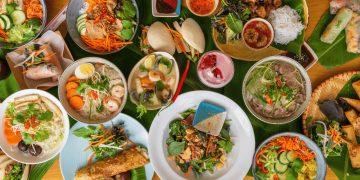
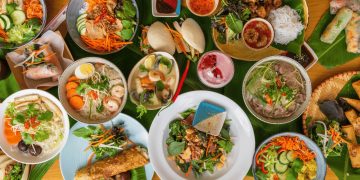
China’s culinary landscape is as diverse and expansive as the country itself, with each region offering distinct flavors, ingredients, and cooking techniques. Among the most celebrated provinces for their culinary traditions are Yunnan and Sichuan, two regions renowned not only for their rich cultural heritage but also for their bold and complex spice systems. Over recent years, chefs around the world have increasingly turned their attention to these regions, drawn by their unique flavor profiles, exotic ingredients, and the cultural stories that shape their cuisines.
While Sichuan is famous for its numbing heat from Sichuan peppercorns and fiery chili peppers, Yunnan’s appeal lies in its variety of ethnic ingredients, fresh herbs, and the use of mushrooms and wild plants. The increasing global interest in these regions’ spices and cooking traditions reflects broader trends in international gastronomy, where fusion, authenticity, and the exploration of regional diversity have become key themes.
This article explores the ethnic ingredients and spice systems of Yunnan and Sichuan, examining their historical, cultural, and culinary significance. We will also explore why these regions have gained global attention and how chefs worldwide are incorporating Yunnan and Sichuan flavors into their dishes, creating new culinary experiences for a global audience.
I. The Culinary Richness of Yunnan and Sichuan: A Historical Perspective
1.1. The Diverse Tapestry of Yunnan Cuisine
Yunnan, located in the southwestern part of China, is known for its stunning diversity. It is home to over 25 ethnic minorities, each with its own unique culinary traditions and indigenous ingredients. These ethnic groups have contributed to Yunnan’s reputation as a land of abundant, diverse, and sometimes rare ingredients.
The province is famed for its mushrooms, herbs, spices, and the biodiversity that thrives in its unique geography. The Yunnan Plateau‘s combination of high altitudes, rich soil, and diverse climates makes it one of the most fertile areas in China for growing a wide variety of herbs, vegetables, and fungi. Ingredients like the Chayote (vegetable pear), snow fungus, and Yunnan ham are central to the cuisine and offer an entirely different range of flavors compared to other Chinese regions.
One of the province’s most defining characteristics is its freshness. Yunnan cuisine emphasizes the use of fresh, locally sourced ingredients, often served raw, pickled, or lightly cooked to preserve their natural flavors. The cross-border influence from Southeast Asia and neighboring countries such as Myanmar, Laos, and Vietnam also contributes to the regional flavor profiles.
1.2. Sichuan’s Influence: A Spice Kingdom
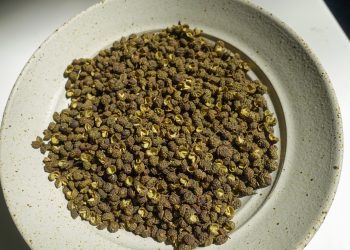
Sichuan, located in southwestern China, has long been considered the spice capital of the country. The province’s unique spice system is characterized by its bold use of Sichuan peppercorns and chili peppers, which combine to create the signature mala (麻辣) flavor—numbing (麻) and spicy (辣). The combination of these two elements is what gives Sichuan food its distinctive, almost addictive heat.
Historically, Sichuan’s cuisine has been shaped by the region’s agriculture, topography, and climate. The area’s fertile soil supports the cultivation of chili peppers, garlic, ginger, and fermented products such as bean paste and soy sauce, which are used extensively in Sichuan cuisine. The use of preserved foods, such as pickled vegetables and fermented fish, is also integral to the cuisine’s complexity and flavor depth.
The mala flavor profile, created by the combination of Sichuan peppercorns and chilies, has not only become iconic within China but has also gained international recognition in global food culture. The region’s hot pot dishes, mapo tofu, kung pao chicken, and fish in spicy broth are just a few examples of Sichuan’s bold, complex flavors that have captivated food lovers worldwide.
II. Ethnic Ingredients and Spice Systems in Yunnan and Sichuan: A Deeper Dive
2.1. Key Ingredients of Yunnan Cuisine
Yunnan’s cuisine is a mosaic of flavors influenced by its diverse ethnic communities. Some of the most distinctive ingredients include:
- Wild Mushrooms: Yunnan is home to an extraordinary variety of wild mushrooms. The Yunnan mushroom, also known as Agaricus bisporus, and varieties like shiitake and morel are prized for their earthy flavors and used in a variety of dishes, both vegetarian and meat-based.
- Yunnan Ham: A cured ham made from pigs raised in the province, Yunnan ham is often compared to Jamón Iberico from Spain. It is salty, rich, and has a distinct umami flavor that is used in soups, stews, and stir-fries.
- Fresh Herbs: Yunnan’s high-altitude climate creates ideal conditions for growing a range of herbs, including mint, cilantro, basil, and wild garlic. These herbs are used in both fresh and cooked forms and are key to the province’s refreshing, herbaceous flavors.
- Chili and Peppercorns: Yunnan, though not as spicy as Sichuan, uses its own varieties of chili peppers. The Yunnan red chili, less pungent than Sichuan’s counterparts, provides a milder heat. Peppercorns from the region also contribute to the flavor complexity of its dishes.
- Taro and Sweet Potatoes: Often used in Yunnan’s ethnic cuisines, these root vegetables are featured in soups, stews, and stir-fries. They are considered comfort food staples and are often paired with meats or herbs for added depth of flavor.
2.2. Signature Spices and Techniques in Sichuan Cuisine
Sichuan’s spice system is built around the two core elements of chili peppers and Sichuan peppercorns, but the province also uses a variety of other spices and techniques to create its complex flavor profiles:
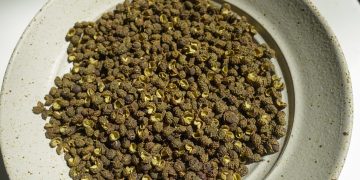
- Sichuan Peppercorns: These unique peppercorns have a numbing (麻) effect on the palate, which is why they are integral to Sichuan’s mala flavor. The numbing sensation combines with the heat from chilies to create a complex and addictive taste.
- Chili Peppers: Sichuan is famous for its fiery dried red chilies and fresh chili peppers. Chilies are used both for their heat and for their ability to bring out the complex flavors in sauces and broths.
- Fermented Bean Paste: The use of fermented ingredients is a hallmark of Sichuan cuisine. Doubanjiang, a fermented broad bean paste, is one of the most important condiments in Sichuan cooking. It adds depth and umami to many dishes, especially stir-fries and braised dishes.
- Garlic and Ginger: These are essential in most Sichuan dishes and are often used together with chili peppers to create the bold, aromatic base for many sauces and stir-fries.
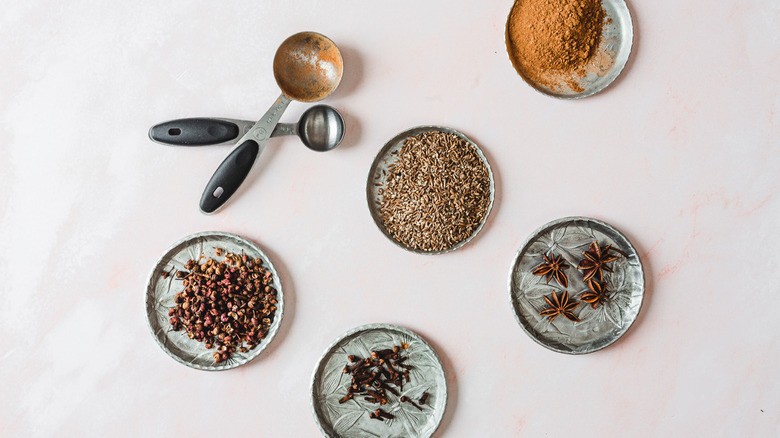
- Five-Spice Powder: A traditional blend of star anise, cloves, Chinese cinnamon, Sichuan peppercorns, and fennel seeds, this spice mix is often used in stews, braises, and roasted dishes, adding complexity and depth to the flavor profile.
III. The Global Attention on Yunnan and Sichuan Cuisines
3.1. The Rising Influence of Chinese Regional Flavors in Global Cuisine
Chefs and food enthusiasts around the world are increasingly turning to Yunnan and Sichuan for inspiration. The complexity, depth, and boldness of their spice systems provide a refreshing contrast to more familiar flavor profiles, and global chefs are eager to incorporate these ingredients and techniques into contemporary dishes.
Many of the world’s top chefs have begun to experiment with mala (麻辣) flavors, using Sichuan peppercorns and chili oil in modern interpretations of both traditional and new dishes. Fusion dishes such as Sichuan-style barbecue or Yunnan-inspired fusion tacos are gaining popularity, showing how these regions’ flavors can transcend cultural boundaries and be adapted to different culinary traditions.
3.2. The Appeal of “Exotic” Flavors in Modern Global Palates
The increasing interest in ethnic food cultures in the West is also a driving force behind the global rise of Yunnan and Sichuan cuisines. As consumers seek out more adventurous flavors and health-conscious alternatives to processed foods, the use of fresh herbs, mushrooms, and spices from these regions offers a new and exciting frontier.
Moreover, the ethnic diversity of Yunnan’s cuisine, which incorporates ingredients from minority groups such as the Hui, Yi, and Dai people, has introduced global diners to new ways of thinking about fusion cuisine. The blending of distinct ingredients, like wild mushrooms, dried flowers, and various meats, brings forth complex and nuanced flavors that are now being explored by chefs in Western kitchens.
IV. The Future of Yunnan and Sichuan in Global Culinary Trends
4.1. Sustainability and Local Sourcing: A Trend Toward Natural Ingredients
As sustainability becomes a central focus in global food trends, the farm-to-table approach seen in both Yunnan and Sichuan is gaining attention. In Yunnan, many dishes rely on locally foraged ingredients, which aligns well with the growing demand for natural, organic, and sustainably sourced food. Similarly, Sichuan’s reliance on preserved foods and sustainable farming practices is being recognized as part of a larger trend toward environmental consciousness in the food industry.
4.2. The Rise of Regional Chinese Cuisine
While Cantonese and Shanghainese cuisines have long dominated Chinese restaurants outside of China, there is a growing movement to explore the regional diversity of Chinese food. As a result, the unique flavors and cooking techniques of Yunnan and Sichuan are beginning to take center stage in international food markets.
The interest in Yunnan and Sichuan reflects the broader trend of regional cuisine exploration, where diners are moving away from generalized “Chinese food” and embracing the diversity of the country’s culinary regions. This shift is reflected in the rise of specialized restaurants, food festivals, and cultural events focused on showcasing the distinct flavors of these provinces.
Conclusion
Yunnan and Sichuan represent the pinnacle of China’s regional culinary traditions, offering complex flavors, unique spice systems, and a wealth of cultural diversity. As global chefs continue to explore the flavors of these two provinces, their influence is set to expand even further in international cuisine. With their bold spices, unique ingredients, and centuries-old culinary techniques, Yunnan and Sichuan have firmly established themselves as cornerstones of contemporary global gastronomy.
As more diners around the world embrace the multifaceted and adventurous flavors of these regions, the cuisines of Yunnan and Sichuan will continue to shape the future of global food trends. By celebrating both tradition and innovation, these two regions are set to become even more prominent on the global culinary map.