









Introduction: The Rising Importance of Sustainable Agriculture and Indigenous Foods
In recent decades, global agriculture has shifted toward industrialized farming systems, with a heavy reliance on monocultures, synthetic chemicals, and global supply chains. While these practices have been effective at producing large quantities of food, they have also contributed to a range of environmental issues, including soil degradation, water pollution, and loss of biodiversity.
Amid these challenges, the resurgence of sustainable agriculture—and particularly the return to growing indigenous ingredients—has emerged as a key solution to both food security and environmental sustainability. Indigenous foods, which have been cultivated by local communities for centuries, are not only adapted to their specific environments but also offer numerous ecological, cultural, and nutritional benefits.
In this article, we will explore the relationship between sustainable agriculture and the revival of indigenous foods. We will examine how these traditional practices can help address the pressing issues of climate change, biodiversity loss, and food sovereignty while promoting healthier and more resilient food systems.
Section 1: Understanding Sustainable Agriculture
What is Sustainable Agriculture?
Sustainable agriculture refers to farming practices that are designed to meet current food and textile needs without compromising the ability of future generations to meet their own needs. It encompasses a wide range of practices that promote environmental health, social equity, and economic profitability. Sustainable agriculture is characterized by:
- Crop Diversification: Growing a variety of crops instead of relying on monocultures, which reduces vulnerability to pests and diseases.
- Soil Health: Using crop rotations, cover crops, and reduced tillage to maintain and improve soil fertility, rather than depleting it with synthetic fertilizers.
- Water Management: Employing efficient irrigation techniques and rainwater harvesting to reduce water waste and contamination.
- Integrated Pest Management (IPM): Using biological control and organic farming methods to minimize reliance on chemical pesticides.
- Local Knowledge and Practices: Integrating indigenous farming wisdom and practices that have evolved over centuries to optimize local ecological conditions.
The Environmental and Social Impact of Sustainable Agriculture
Sustainable agriculture is not just an environmental concern; it also offers social and economic benefits. By focusing on local food systems, sustainable farming promotes:
- Biodiversity Conservation: Diverse crops, livestock, and wild plant species foster healthy ecosystems.
- Climate Resilience: Sustainable farms are better equipped to adapt to extreme weather events, such as droughts or floods, compared to industrial monocultures.
- Economic Stability: Local farming reduces dependency on imported foods and strengthens community resilience by keeping economic activity within local economies.
- Food Sovereignty: By supporting local farmers and food systems, sustainable agriculture empowers communities to control their own food supply.
Section 2: Indigenous Ingredients: The Heart of Local Food Systems
What Are Indigenous Ingredients?
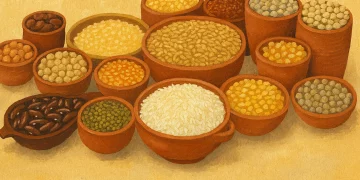
Indigenous ingredients are those crops, vegetables, fruits, grains, legumes, and animals that have been traditionally cultivated and consumed by local or indigenous communities for centuries. These ingredients are deeply embedded in cultural practices, seasonal rhythms, and the ecology of the region. Examples include:
- Maize (Corn) in the Americas
- Quinoa in the Andes region
- Cassava in Africa and South America
- Teff in Ethiopia
- Millets in Asia and Africa
- Amaranth in Mesoamerica
These ingredients often have specific traits that make them well-suited to their native environments. They are drought-resistant, nutrient-dense, and capable of thriving without the need for synthetic fertilizers or pesticides. Many of these crops also have high levels of vitamins, minerals, and antioxidants, offering unique health benefits that modern, mass-produced crops cannot replicate.
The Nutritional and Ecological Benefits of Indigenous Ingredients
- Nutrient Density: Many indigenous ingredients are rich in essential vitamins, minerals, fiber, and plant-based proteins. For instance, quinoa, a complete protein, provides all nine essential amino acids, making it an excellent food choice for both plant-based and omnivorous diets.
- Resilience to Climate Change: Indigenous crops have adapted over thousands of years to survive in specific climates. For example, millet, which thrives in dry, arid conditions, is increasingly being recognized as a solution to food security challenges posed by climate change.
- Agrobiodiversity: By cultivating indigenous foods, farmers can restore biodiversity in their ecosystems. This helps rebuild natural habitats and ensures a diverse gene pool of crops that are resilient to pests, diseases, and changing climates.
Reviving Indigenous Crops for the Modern World
Over the last few decades, many indigenous crops have been marginalized in favor of global commodities like wheat, rice, and corn. However, the growing recognition of the environmental and health benefits of indigenous foods has led to a resurgence in their cultivation. Organizations and research institutes are working to revive these crops, promoting them as sustainable and nutritious alternatives to conventional crops.
For example, teff, a tiny grain native to Ethiopia, is being championed as a gluten-free superfood with high protein and fiber content. Similarly, amaranth and chia have found a place in global markets due to their rich nutrient profile and ability to thrive in dry conditions.
Section 3: The Role of Indigenous Knowledge in Sustainable Farming
Traditional Farming Practices and Environmental Stewardship
Indigenous farming systems have been honed over thousands of years to work in harmony with local ecosystems. Indigenous farmers have a deep understanding of their land, water sources, and weather patterns, allowing them to grow food in ways that minimize environmental impact. These practices often include:
- Agroforestry: Integrating trees with crops to improve soil fertility, reduce erosion, and enhance biodiversity.
- Polyculture: Growing multiple crops together in a single space, mimicking natural ecosystems and improving resilience to pests and diseases.
- Rainwater Harvesting: Collecting and storing rainwater for use during dry periods, reducing dependence on groundwater and irrigation systems.
- Traditional Seed Saving: Using locally adapted, open-pollinated seeds that can be saved and replanted year after year, ensuring food security and preserving genetic diversity.
Revitalizing Indigenous Knowledge in Modern Agriculture
The integration of indigenous knowledge into modern farming systems can help address some of the key challenges posed by industrial agriculture. By combining traditional wisdom with modern sustainable practices, farmers can cultivate healthier soils, improve water management, and create more resilient food systems.
Organizations like Slow Food International and The International Society of Ethnobiology are working to protect and promote indigenous farming techniques through advocacy, education, and partnerships with farmers. These efforts aim to ensure that indigenous knowledge is not lost but rather used as a powerful tool for sustainable food production.
Section 4: Challenges and Opportunities in the Return to Indigenous Ingredients
Challenges in Reviving Indigenous Agriculture
Despite the clear advantages of indigenous ingredients and sustainable farming, there are several challenges in scaling up these practices:
- Market Access: Many indigenous ingredients are not well-known in global markets, making it difficult for small-scale farmers to sell their crops and compete with industrial products.
- Seed Availability: In some regions, indigenous seeds are no longer easily accessible due to years of industrial farming practices, land degradation, and displacement of traditional knowledge.
- Cultural Erosion: The loss of cultural identity and knowledge of traditional farming methods has led to the marginalization of indigenous crops in many communities.
- Policy Barriers: Government policies, subsidies, and agricultural support systems often favor large-scale, industrial agriculture over smallholder or indigenous farming practices.
Opportunities for a Sustainable Future
While challenges exist, there are also tremendous opportunities in promoting indigenous ingredients and sustainable farming:
- Market Trends: The rising demand for organic, locally grown, and ethical foods offers new market opportunities for indigenous ingredients.
- Climate Change Mitigation: Indigenous crops’ resilience to climate change makes them an essential tool in global efforts to reduce food system vulnerability.
- Policy Support: Governments and international organizations are increasingly recognizing the importance of sustainable agriculture. Programs that support smallholder farmers and promote the cultivation of indigenous crops can help drive a transition toward more sustainable food systems.
- Community Empowerment: Reviving indigenous foods can be a means of restoring cultural heritage and empowering local communities to take control of their food systems and economic futures.
Section 5: Conclusion: A Path Toward Sustainability Through Indigenous Agriculture
The return to indigenous ingredients and the embrace of sustainable agriculture offer a path to a more resilient, nutritious, and environmentally responsible food system. By revitalizing traditional farming practices and promoting the cultivation of indigenous crops, we can reduce our ecological footprint, improve global food security, and foster greater cultural and agricultural biodiversity.
As we face the growing challenges of climate change, population growth, and food system instability, the lessons of the past—rooted in the wisdom of indigenous farmers—are more important than ever. By integrating these practices into modern agriculture, we can build a future where food production is not only sustainable but also deeply connected to the land, culture, and communities that nurture it.
The journey back to indigenous foods and sustainable farming is not just about reclaiming what was lost, but about forging a path forward that honors both tradition and innovation.