










In recent years, personalized nutrition has emerged as a powerful trend in the global food and health industry. Consumers are increasingly seeking dietary plans tailored to their unique genetic makeup, lifestyle, and health goals, rather than following generic diets. This shift reflects a broader movement toward holistic health, where food is not just for sustenance but also for prevention, wellness, and long-term vitality.
This article explores the concept of personalized nutrition, its driving forces, technological innovations, and how it is influencing the global health and food industry. It also examines dietary trends, consumer behavior, and professional insights into creating effective and sustainable personalized eating strategies.
1. Understanding Personalized Nutrition
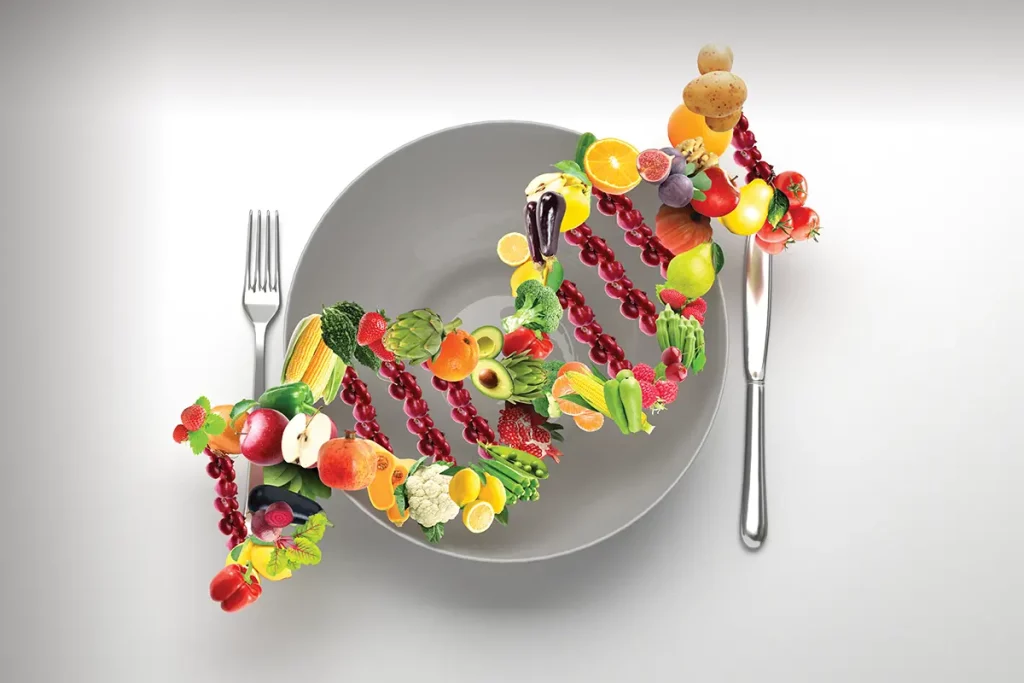
Personalized nutrition refers to the customization of dietary recommendations based on an individual’s unique characteristics. Unlike traditional dietary guidelines that promote universal standards, personalized nutrition leverages data from genetics, microbiome analysis, lifestyle habits, and medical history to create tailored nutritional plans.
Core Principles:
- Genetic Insights – Certain genes influence how the body metabolizes nutrients, reacts to fats, sugars, or caffeine, and predisposes individuals to conditions like diabetes or cardiovascular diseases. Genetic testing helps in creating diets that align with individual metabolic tendencies.
- Microbiome Analysis – The gut microbiome plays a critical role in digestion, immunity, and even mood regulation. Personalized diets now consider gut bacteria diversity to optimize nutrient absorption and support overall gut health.
- Lifestyle Considerations – Activity levels, sleep patterns, stress, and work schedules all impact nutritional needs. Personalized plans adjust caloric intake and nutrient timing according to daily routines.
- Health Status – Pre-existing conditions, allergies, intolerances, and medication regimens influence dietary recommendations to prevent adverse effects and maximize health outcomes.
2. Driving Forces Behind the Trend
Several factors contribute to the rising popularity of personalized nutrition:
2.1 Consumer Awareness and Health Consciousness
Modern consumers are increasingly aware of the link between diet and health. Studies indicate that chronic diseases such as obesity, diabetes, and cardiovascular disorders are highly influenced by dietary choices. People are seeking data-driven insights rather than relying solely on generic advice or trend diets.
2.2 Technological Advancements
Advances in biotechnology, wearable devices, and mobile applications have made it feasible to collect and analyze personal health data. For instance:
- DNA testing kits provide insight into genetic predispositions.
- Smart watches and fitness trackers monitor activity levels, sleep patterns, and heart rate, integrating these metrics into dietary recommendations.
- Mobile nutrition apps use AI to create adaptive meal plans, track food intake, and suggest substitutions based on real-time feedback.
2.3 The Rise of Functional Foods
Functional foods, enriched with probiotics, antioxidants, or adaptogens, support specific health outcomes such as immune health, gut balance, or cognitive performance. Personalized nutrition leverages these products to tailor dietary interventions to individual health goals.
3. Popular Personalized Nutrition Approaches
3.1 DNA-Based Diets
DNA-based diets analyze genetic markers that influence metabolism, fat storage, and nutrient absorption. These insights allow nutritionists to:
- Identify ideal macronutrient ratios for each individual.
- Recommend foods that minimize genetic risks for certain conditions.
- Design exercise and supplement plans to complement dietary choices.
3.2 Microbiome-Guided Diets
Emerging research highlights the gut microbiome’s role in overall health, including metabolism, immunity, and mental wellness. Personalized diets consider:
- Probiotic-rich foods to enhance beneficial bacteria.
- Prebiotic foods that nourish gut microbiota.
- Eliminating foods that trigger adverse reactions or dysbiosis.
3.3 Metabolic and Biomarker-Based Diets
Some personalized nutrition approaches rely on blood biomarkers, such as cholesterol, glucose, and inflammation markers, to adjust diets. This allows for dynamic dietary adjustments based on real-time health metrics, helping prevent chronic diseases.
3.4 Lifestyle and Preference-Based Plans
Not all personalized diets are clinical; some focus on lifestyle alignment and sustainability. For example:
- Busy professionals may require high-energy meals that are convenient and nutritionally balanced.
- Athletes may focus on timed protein and carbohydrate intake for peak performance.
- Plant-based or allergen-free preferences are incorporated to ensure compliance and satisfaction.
4. Technology and Personalized Nutrition
The integration of technology and nutrition science is accelerating the adoption of personalized diets.
4.1 Artificial Intelligence in Meal Planning
AI-powered platforms analyze personal data, including health records, activity levels, and food preferences, to create dynamic meal plans. These systems can:
- Adjust meals based on daily activity and sleep patterns.
- Suggest recipes with optimal macronutrient distribution.
- Monitor long-term progress and adapt recommendations over time.
4.2 Wearables and Health Monitoring
Wearable devices track caloric expenditure, heart rate variability, and sleep quality, allowing for dietary recommendations that respond in real-time. For instance, if a user’s activity level increases, the system may recommend higher protein intake or complex carbohydrates for recovery and energy.
4.3 Subscription-Based Personalized Meals
Companies are offering subscription meal services that deliver freshly prepared meals tailored to individual dietary needs. These services combine nutrition science, technology, and logistics to ensure convenience without compromising health.
5. Health Trends Driving Personalized Nutrition
5.1 Plant-Based and Flexitarian Diets
The rise of plant-based diets aligns with personalized nutrition, as individuals increasingly seek flexible dietary solutions that reduce health risks and environmental impact.
5.2 Keto, Paleo, and Low-Glycemic Diets
While these diets have broad appeal, personalized nutrition tailors them based on genetic responses, metabolic rates, and biomarkers, optimizing effectiveness and sustainability.
5.3 Mindful Eating
Mindful eating focuses on mental awareness and emotional connection to food, promoting better digestion, portion control, and stress reduction. Personalized approaches integrate mindful practices to enhance overall wellness.
5.4 Functional Superfoods
Functional superfoods, such as turmeric, matcha, and chia seeds, are incorporated into targeted health plans, addressing specific goals like anti-inflammatory effects, gut health, or cognitive enhancement.
6. The Role of Professionals in Personalized Nutrition
Personalized nutrition is not purely technology-driven; it requires expert guidance. Nutritionists, dietitians, and wellness coaches play a crucial role in interpreting data, designing sustainable plans, and addressing individual health concerns. Their involvement ensures that dietary changes are scientifically sound, practical, and aligned with long-term health outcomes.
7. Consumer Behavior and Adoption Challenges
Despite its promise, personalized nutrition faces challenges:
- Cost: Genetic and microbiome testing can be expensive.
- Data Privacy: Consumers may be concerned about how personal health data is stored and used.
- Behavioral Compliance: Personalized diets are effective only if followed consistently, requiring motivation and support systems.
- Scientific Validation: Some approaches are still emerging, requiring ongoing research to validate efficacy and long-term benefits.
8. The Future of Personalized Nutrition
The future of personalized nutrition is likely to be data-driven, integrative, and consumer-centric:
- Integration with healthcare: Diets may become part of preventive medicine, with nutrition prescriptions tailored to individual health risks.
- AI and Machine Learning: Advanced algorithms will optimize nutrient intake, recommend meal timing, and adjust for lifestyle changes automatically.
- Sustainable Choices: Personalized diets will increasingly consider environmental impact, promoting eco-friendly food choices.
- Global Accessibility: As technology becomes more affordable, personalized nutrition could extend beyond urban elites to mainstream consumers, democratizing access to optimized health plans.
Conclusion
Personalized nutrition is transforming the way people approach food and health. By combining scientific research, technology, and consumer insights, personalized nutrition empowers individuals to take control of their well-being, reduce disease risk, and achieve optimal performance.
As technological innovations continue to advance and consumer demand for tailored solutions grows, personalized nutrition and health trends will become a central pillar of the food industry, reshaping eating habits, wellness strategies, and the global health landscape.