









The kitchen, long considered the heart of the home and a place for culinary creativity, is undergoing a profound transformation. Driven by advances in technology, artificial intelligence, robotics, and sensory innovation, the modern kitchen is no longer just a space for cooking; it is becoming a hub for experiential dining, personalized nutrition, and multi-sensory engagement. This transformation has been described as a “New Sensory Revolution”, where technology augments human creativity, enhances efficiency, and amplifies the culinary experience beyond traditional boundaries.
This article explores the integration of technology and culinary arts, examining innovations in smart kitchen appliances, robotic cooking, AI-driven gastronomy, multi-sensory dining, and the broader implications for chefs, consumers, and the global food industry.
1. The Evolution of the Modern Kitchen
Historically, the kitchen was primarily a functional space focused on meal preparation. Over centuries, innovations—from the introduction of gas stoves and refrigerators to induction cooktops and convection ovens—gradually increased convenience and precision. However, the latest wave of innovation moves beyond efficiency; it prioritizes experiential engagement, sustainability, and data-driven personalization.
Key trends include:
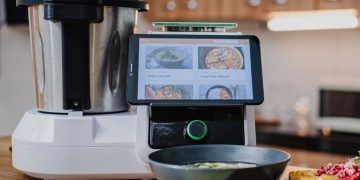
- Smart Appliances: Wi-Fi-enabled ovens, intelligent refrigerators, and AI-powered kitchen assistants.
- Robotics: Automated cooking systems capable of performing complex culinary techniques.
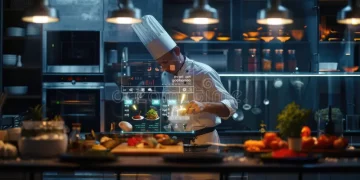
- Augmented and Virtual Reality (AR/VR): Tools for culinary training, interactive recipe guidance, and immersive dining experiences.
- Sensory Enhancement Technologies: Devices that manipulate taste, aroma, texture, and even visual perception to create multi-dimensional food experiences.
2. Smart Kitchens: Technology Meets Daily Cooking
A smart kitchen integrates connected devices that communicate with one another, often controlled via apps or voice commands. These innovations not only simplify meal preparation but also optimize energy use, improve safety, and enhance creativity.
2.1 Intelligent Appliances
Modern intelligent appliances now feature:
- Ovens that automatically adjust cooking times and temperatures based on recipe and ingredient data.
- Refrigerators that track inventory, suggest recipes, and alert users to spoilage.
- Coffee machines that learn individual preferences and adjust brewing parameters accordingly.
2.2 Internet of Things (IoT) Integration
IoT allows kitchen devices to communicate seamlessly. For example, a smart fridge can notify a smart oven to preheat when ingredients are ready or suggest recipes based on dietary restrictions or freshness of ingredients. This interconnected ecosystem reduces waste, increases efficiency, and enhances culinary experimentation.
3. Robotics in the Kitchen
Robotic technology is revolutionizing the way meals are prepared, from fast-casual restaurants to fine dining establishments.
3.1 Automated Cooking Machines
Robots can now:
- Chop, stir, and fry with precision.
- Assemble intricate dishes such as sushi or pastries.
- Maintain consistent quality across hundreds of meals in commercial kitchens.
3.2 Benefits of Robotics
- Efficiency: Robots reduce labor-intensive tasks, allowing chefs to focus on creativity.
- Consistency: High precision ensures repeatable quality for mass production.
- Safety: Automation reduces the risk of burns, cuts, and other kitchen accidents.
3.3 Examples in the Industry
- Robotic pizza makers and burger assemblers in fast-food chains.
- Automated noodle preparation machines in Asian cuisine.
- Robotic bartenders capable of mixing complex cocktails with exact proportions.

4. AI and Data-Driven Culinary Innovation
Artificial Intelligence (AI) has extended its reach into recipe development, menu optimization, and personalized dining.
4.1 Recipe Creation and Flavor Pairing
AI algorithms can analyze vast datasets of ingredients, flavor compounds, and cultural cuisines to generate novel recipes or optimize existing ones. Chefs are using AI to experiment with unexpected flavor combinations or recreate traditional recipes with modern twists.
4.2 Predictive Analytics for Food Trends
AI helps identify consumer preferences and predict emerging culinary trends, enabling restaurants and food brands to tailor menus and marketing strategies effectively.
4.3 Personalized Nutrition
AI-driven platforms can create custom meal plans based on health data, dietary restrictions, and lifestyle habits. This is particularly relevant in wellness-focused dining and hospital or senior nutrition programs.
5. Multi-Sensory Dining: Beyond Taste
The “New Sensory Revolution” emphasizes engaging all five senses—taste, smell, sight, sound, and touch—to enhance the dining experience.
5.1 Visual Stimulation
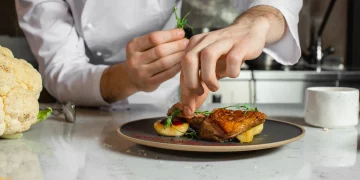
Presentation technology, including projection mapping and LED-enhanced plating, transforms ordinary dishes into visual spectacles. Plates may change colors or display dynamic patterns corresponding to flavors or the dining theme.
5.2 Aroma and Olfactory Augmentation
Devices that emit scents or modify aromas can intensify or complement flavors, creating a richer sensory experience. Aroma can even be synchronized with music or ambient lighting to heighten the perception of taste.
5.3 Soundscapes and Music
Background sound, such as ambient noise or specific music, can alter taste perception. Studies indicate that high-pitched sounds can enhance sweetness, while low-pitched sounds may amplify bitterness or umami.
5.4 Texture and Haptics
Innovations in food texture—through molecular gastronomy, gels, foams, and 3D printing—allow chefs to manipulate mouthfeel in unprecedented ways. Haptic feedback in utensils can also enhance tactile sensations during dining.
6. 3D Food Printing: Personalized Creativity
3D printing technology is entering the culinary space, allowing for precise shaping, layering, and ingredient control.
Applications
- Custom desserts with intricate designs.
- Personalized nutrient-dense meals for athletes, patients, or seniors.
- Experimental flavor combinations impossible with traditional techniques.
3D printing enables mass personalization and innovation while reducing waste, as only the required amount of ingredients is used.
7. Sustainability and Smart Kitchens
Modern kitchen technology also addresses sustainability challenges in food production and consumption:
- Food Waste Reduction: AI and smart fridges track ingredients and expiration dates.
- Energy Efficiency: Smart ovens and induction cooktops optimize energy use.
- Eco-Friendly Packaging and Cooking: Robotics and precision cooking reduce overproduction and excess resource usage.
8. Challenges and Considerations
Despite its promise, integrating technology into the kitchen presents challenges:
- High Initial Costs: Advanced appliances, robotics, and AI systems require significant investment.
- Learning Curve: Users must adapt to new systems and interfaces.
- Data Privacy: Smart appliances collect sensitive personal data, requiring robust security measures.
- Cultural Resistance: Some chefs and consumers value traditional methods and may resist fully automated or digitalized kitchens.
9. The Future of the Kitchen Experience
The “New Sensory Revolution” promises a future where:
- Chefs become hybrid creators, combining culinary artistry with technological mastery.
- Dining becomes an immersive, multi-sensory experience, enhancing emotional and psychological satisfaction.
- Food production and consumption are more sustainable, efficient, and personalized.
- Education and training in culinary schools incorporate AI, robotics, and sensory science as essential components of the curriculum.
In this future, kitchens will be dynamic laboratories of innovation, merging art, science, and technology to redefine how humans experience food.
Conclusion
The convergence of technology and culinary arts is reshaping the kitchen into a center of innovation and sensory exploration. From robotic chefs and AI-driven recipes to multi-sensory dining experiences and 3D food printing, this revolution promises to redefine both how we cook and how we experience food. As technology continues to evolve, the kitchen of the future will not only satisfy hunger but will engage the senses, promote sustainability, and deliver personalized experiences tailored to each diner. The New Sensory Revolution is not just a trend—it is a transformative shift in the global culinary landscape.