









The rise of cloud kitchens or ghost kitchens has revolutionized the foodservice industry, offering cost-effective solutions for aspiring restaurant brands. These digital-first kitchen platforms provide everything from state-of-the-art cooking equipment to shared kitchen space, enabling new and established brands to operate without the financial burden of owning a physical storefront. As the demand for online food delivery continues to grow, the cloud kitchen model has emerged as a flexible and scalable alternative to traditional restaurants.
In this article, we will explore the cloud kitchen platform model, how it is benefiting new and emerging food brands, and why it is poised to play a key role in shaping the future of the restaurant industry. Additionally, we will discuss the operational advantages, challenges, and opportunities this model presents for food entrepreneurs and established players alike.
What is a Cloud Kitchen?
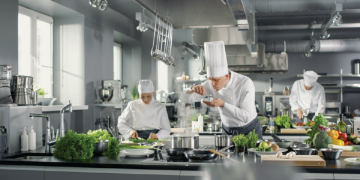
A cloud kitchen—sometimes referred to as a ghost kitchen, virtual kitchen, or dark kitchen—is a commercial kitchen facility designed specifically to prepare food for delivery-only models. These kitchens are typically shared spaces used by multiple restaurant brands or entrepreneurs who may not have the capital to open a traditional dine-in restaurant. By leveraging cloud kitchen platforms, businesses can avoid the high costs associated with real estate, interior design, and front-of-house staff.
Cloud kitchens are optimized for the growing demand for food delivery, allowing operators to streamline their processes and focus on food quality and logistics, rather than traditional operations. These platforms typically provide all the necessary equipment, supplies, and storage, so food brands can focus entirely on their menu, marketing, and customer service.
The Growth of Online Food Delivery and the Need for Cloud Kitchens
The Surge in Delivery-First Businesses
The global food delivery market has experienced unprecedented growth over the last decade. According to Statista, the global online food delivery market is projected to reach $200 billion by 2025. Factors driving this growth include:
- Convenience: Consumers increasingly prefer the ease of ordering food from home, especially in urban areas.
- Changing Lifestyles: Busy schedules and the rise of remote work have made food delivery a go-to solution for consumers seeking time-saving options.
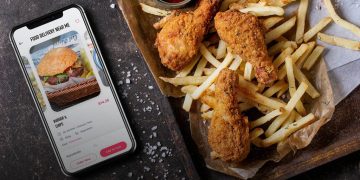
- Technological Advancements: Apps like Uber Eats, DoorDash, and Grubhub have made ordering food simpler, faster, and more efficient, increasing customer engagement.
This surge in demand has created an opportunity for cloud kitchens, which allow businesses to cater to the growing appetite for delivery-first models without investing in traditional brick-and-mortar restaurants.
The High Cost of Traditional Restaurant Ownership
Starting a traditional restaurant involves significant upfront investment, including the cost of leasing or purchasing a physical location, renovating the space, hiring staff, and purchasing kitchen equipment. In addition to these startup costs, restaurant operators also face ongoing expenses such as rent, utilities, and maintenance.
For many aspiring food entrepreneurs, these costs can be prohibitively high, especially if they are looking to test a new concept or enter competitive markets. Cloud kitchens address this barrier by offering affordable access to fully-equipped commercial kitchens without the burden of long-term leases and upfront investments.
How Cloud Kitchen Platforms Work
Key Features of Cloud Kitchen Platforms
Cloud kitchen platforms act as intermediaries between restaurant brands and consumers, providing several key features that make it easier for food businesses to operate. These features include:
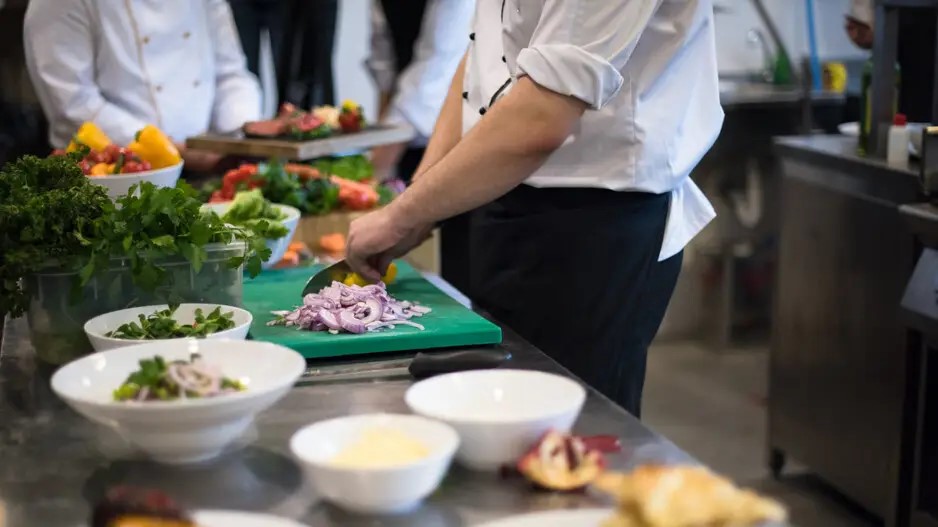
- Shared Kitchen Space: Cloud kitchens offer commercial-grade kitchen spaces that can be shared by multiple food brands. This allows businesses to avoid the expense of building or leasing their own kitchen facility.
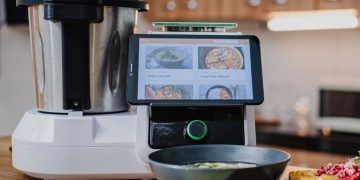
- High-Tech Equipment: These kitchens are equipped with the necessary appliances and tools to prepare a wide variety of meals, including ovens, fryers, grills, refrigerators, and prep stations.
- Logistics and Delivery Solutions: Cloud kitchen platforms often partner with third-party food delivery services to optimize logistics. This can include integration with apps like Uber Eats or DoorDash for seamless order fulfillment and delivery. Some platforms even provide their own in-house delivery service.
- Marketing and Branding: Some cloud kitchen platforms offer brand-building services, helping food brands develop digital marketing campaigns, build an online presence, and manage customer engagement.
- Storage and Supply Chain Support: Cloud kitchens often provide storage solutions for ingredients and supplies, helping restaurant brands manage their inventory and reduce food waste.
Benefits for New and Emerging Brands
For emerging restaurant brands, cloud kitchen platforms offer several operational advantages:
- Reduced Initial Investment: Cloud kitchens eliminate the need for expensive real estate, renovations, and hiring front-of-house staff. Brands can simply rent kitchen space on a pay-as-you-go basis.
- Flexible Operations: Operators can start small, test different menu concepts, and scale their business without the pressures of managing a physical storefront. This flexibility allows them to adapt to customer preferences and trends more easily.
- Geographical Expansion: Cloud kitchens allow brands to expand into new markets by renting kitchen space in different cities or regions without the need to open physical restaurants.
- Optimized Delivery: With the rapid growth of food delivery services, cloud kitchens benefit from optimized delivery routes and faster service, ensuring customers receive fresh meals promptly.
- Focus on Food and Branding: By outsourcing the infrastructure and logistics, emerging brands can concentrate on creating high-quality food and developing a strong digital presence.
The Cloud Kitchen Ecosystem: Key Players and Platforms
Several prominent companies have entered the cloud kitchen market, building platforms that facilitate the growth of virtual and delivery-only restaurant brands. These companies offer different services depending on their specific business models.
Key Cloud Kitchen Platforms
- Kitchen United: A leading cloud kitchen platform in the United States, Kitchen United offers fully-equipped kitchen spaces for virtual brands and partners with delivery platforms like Uber Eats and Grubhub. They also offer data-driven solutions to help brands optimize their menus and delivery operations.
- Rebel Foods: Operating globally, Rebel Foods is one of the largest cloud kitchen platforms, with a portfolio of over 40 brands across various cuisines. Rebel Foods offers multi-brand kitchens, allowing food operators to run multiple brands from the same kitchen and target different customer segments.
- CloudKitchens: Founded by former Uber CEO Travis Kalanick, CloudKitchens operates state-of-the-art kitchen spaces for food brands and offers logistical and marketing support. The platform focuses on delivery-only brands and operates across multiple cities worldwide.
- Zomato: A major player in India, Zomato has launched Zomato Kitchens, a cloud kitchen service that provides chefs with fully-equipped kitchens, marketing support, and connections to food delivery services.
- Kitchen Factory: Based in Europe, Kitchen Factory provides flexible kitchen spaces for food businesses, with a focus on providing fully operational kitchens for emerging restaurant brands and startups.
Collaboration with Delivery Platforms
Cloud kitchen platforms often form partnerships with major food delivery platforms like Uber Eats, DoorDash, and Grubhub to ensure that food can be delivered to customers efficiently. These partnerships help cloud kitchens reach a wide audience while also benefiting from the established infrastructure and logistics provided by the delivery apps.
In addition, some cloud kitchens operate in-house delivery services, further streamlining the order fulfillment process. These proprietary services ensure that food is delivered in the most timely and efficient manner, helping operators maintain high-quality standards.
Advantages of Cloud Kitchens for Established Brands
Cloud kitchens are not just for emerging food businesses; established brands are also capitalizing on this model to expand their reach, reduce costs, and experiment with new markets.
Cost Savings for Large Chains
For large, established chains, cloud kitchens provide a cost-effective way to scale their operations without committing to costly long-term leases or opening additional physical locations. By using cloud kitchen platforms, chains can operate multiple kitchen hubs in different cities, offering delivery-only services to customers while maintaining their traditional storefronts.
Menu Experimentation
Cloud kitchens offer a low-risk environment for established brands to experiment with new concepts or menu items. For example, a chain could use a cloud kitchen to test a new vegan or plant-based menu without needing to invest in renovations or customer-facing operations.
Geographical Expansion
Expanding into new cities or countries is often a complex and expensive process for large brands. Cloud kitchens enable these brands to test new markets with minimal investment, allowing them to understand demand before committing to physical storefronts.
Challenges and Considerations for Cloud Kitchen Platforms
While cloud kitchens offer numerous advantages, the model is not without its challenges. Operators must be mindful of several key considerations:
Quality Control
Maintaining consistent food quality during delivery is a critical concern for virtual restaurants. Packaging, cooking methods, and the efficiency of delivery logistics all play a role in ensuring that food arrives fresh and in optimal condition. Cloud kitchens must work closely with brands to monitor food quality and address any customer complaints.
Dependence on Third-Party Delivery Apps
Cloud kitchens often rely heavily on third-party delivery platforms like Uber Eats and DoorDash for order fulfillment. This dependence can be risky, as delivery fees and platform commissions can significantly impact profit margins. In the future, some cloud kitchens may seek to develop their own delivery infrastructure to mitigate this reliance.
Intense Competition
The cloud kitchen market is rapidly becoming competitive, with many new players entering the space. For new brands, standing out in a crowded market requires strong branding, a high-quality menu, and effective marketing strategies to attract customers.
The Future of Cloud Kitchens
The future of cloud kitchens looks bright, with continued growth expected as demand for delivery-only meals increases. Future trends could include:
- Automation: Increased use of automation for food preparation, packaging, and delivery to improve efficiency.
- Sustainability: Cloud kitchens may focus on eco-friendly packaging and locally sourced ingredients to meet growing consumer demand for sustainability.
- Advanced Data Analytics: More use of AI-driven analytics to predict food trends, optimize delivery routes, and personalize the customer experience.
In conclusion, cloud kitchens offer a game-changing solution for the modern restaurant industry, lowering the barrier to entry for emerging food brands and providing established operators with the flexibility to expand and innovate. With the right strategies in place, cloud kitchens have the potential to reshape the foodservice landscape and redefine how we think about dining in the digital age.