






Introduction: The Intersection of Technology and Culinary Innovation
The world of fine dining has always been synonymous with innovation, but in recent years, a new frontier has emerged: the integration of plant-based meats and 3D printed food technologies. As consumers become increasingly conscious of the environmental and ethical implications of their food choices, restaurants and culinary innovators are pushing the boundaries of what is possible in the kitchen. These cutting-edge technologies not only cater to the growing demand for more sustainable and cruelty-free food options but also elevate the dining experience itself.
From artificially cultured meat to food printers that can create intricate designs and textures, these innovations are setting a new standard in the dining world. High-end restaurants are incorporating these technologies into their menus, offering patrons the opportunity to taste the future of food. By merging gastronomy with biotechnology and additive manufacturing, chefs are crafting entirely new culinary experiences that challenge traditional ideas of what food can be.
In this article, we will explore how plant-based meats and 3D printing are reshaping the landscape of fine dining, providing both sustainability and creativity in ways that were previously unimaginable. We will also examine the potential implications of these innovations for the broader food industry and their ability to address global challenges such as climate change, food security, and health.
I. Plant-Based Meat: A Sustainable Solution for the Future of Food
1.1 The Rise of Plant-Based Alternatives
The global shift towards plant-based diets has gained significant momentum in recent years, driven by growing concerns about the environmental impact of animal agriculture, as well as the ethical and health implications of consuming animal products. As a result, many consumers are seeking out plant-based alternatives to traditional meat products that can replicate the taste, texture, and nutritional profile of their animal-derived counterparts.
In response to this demand, companies like Beyond Meat, Impossible Foods, and Oatly have developed innovative plant-based products that aim to replicate the taste, texture, and appearance of meat. These products, which use plant proteins, hemes, and other natural ingredients, have quickly gained popularity in restaurants, fast food chains, and grocery stores worldwide.
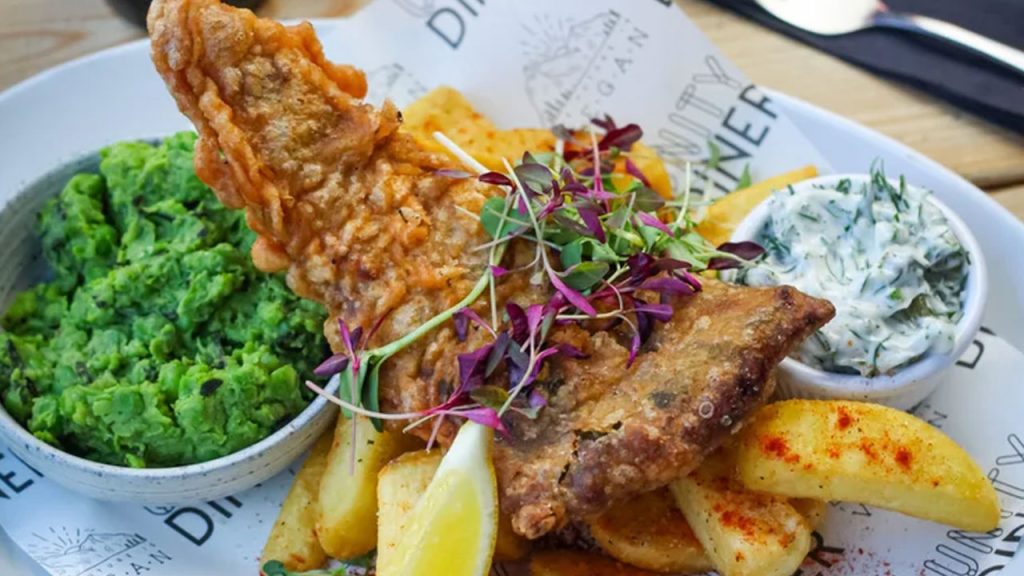
High-end restaurants have not been immune to this trend. Many Michelin-starred chefs and prestigious dining establishments are incorporating plant-based meats into their menus, offering customers an alternative to traditional animal-based dishes while maintaining the sophistication and artistry that define gourmet dining.
1.2 The Technology Behind Plant-Based Meat
At the heart of plant-based meat is the pursuit of replicating the sensory experience of eating animal-derived meat. These products are typically made from plant proteins like soy, pea, and rice, combined with ingredients that mimic the texture and mouthfeel of meat, such as methylcellulose, potato starch, and coconut oil.
For example, Impossible Foods has developed a proprietary ingredient called heme, a molecule found in animals’ blood that is responsible for the characteristic taste of meat. By using a genetically engineered yeast to produce heme from soybeans, Impossible Foods can create a burger that not only tastes like meat but also sizzles and “bleeds” like a traditional beef patty.
In addition to the taste and texture, many plant-based meats are designed to be nutritionally similar to their animal counterparts. They contain protein, iron, and fiber, making them a viable alternative for those who want to reduce their animal product consumption without sacrificing their nutritional needs.
1.3 The Environmental and Ethical Benefits
One of the primary motivations behind the shift to plant-based meats is their sustainability. The environmental footprint of animal agriculture is vast, requiring significant amounts of land, water, and feed to produce meat. The livestock industry also contributes significantly to greenhouse gas emissions, deforestation, and other environmental degradation.
In contrast, plant-based meats have a much lower environmental impact. Beyond Meat, for example, claims that their products use 99% less water, 93% less land, and emit 90% fewer greenhouse gases than traditional beef production. By replacing animal products with plant-based alternatives, the food industry has the potential to significantly reduce its contribution to climate change and help mitigate the environmental damage caused by industrial farming.
Moreover, plant-based meats align with ethical concerns about animal welfare. Factory farming is associated with cruelty, poor living conditions, and unsustainable practices, while plant-based meats are free from the need to raise and slaughter animals. For many consumers, the ethical argument against animal-based meat consumption is as compelling as the environmental one.
II. 3D Printed Food: The Future of Customization and Culinary Creativity
2.1 The Technology Behind 3D Food Printing
The integration of 3D printing technology into the culinary world represents a monumental shift in how food can be prepared, presented, and customized. 3D food printers use additive manufacturing techniques to create edible objects by building layers of ingredients on top of one another based on digital designs. These printers can work with a wide range of food materials, from purees and chocolates to cheese, dough, and meat pastes.
The process begins with a digital model, often created using CAD software, that guides the printer in depositing precise amounts of food material to build up the final product. The possibilities are endless: from intricate desserts to customized pastas, 3D food printing allows for an unprecedented level of control and creativity in the kitchen.
For fine dining establishments, 3D printing offers the ability to create innovative shapes, textures, and flavors that would be nearly impossible with traditional cooking methods. It also allows chefs to experiment with new forms of presentation, turning food into an art form and a sensory experience. At high-end restaurants like Alinea in Chicago and El Celler de Can Roca in Spain, 3D printed elements are used to enhance both the visual appeal and taste of dishes.
2.2 The Potential for Customization
One of the most exciting aspects of 3D food printing is its potential for personalized food experiences. With 3D printing, chefs can design dishes that cater to specific dietary needs or preferences, creating custom meals for individuals with food allergies, intolerances, or preferences such as gluten-free or vegan diets.
In the future, 3D food printers could also allow for the creation of nutritionally tailored meals. Imagine a meal that is precisely calibrated to provide an individual with the optimal balance of vitamins, minerals, and macronutrients, based on their specific health goals or physical requirements. This level of personalization is currently one of the most exciting promises of 3D food printing technology.
2.3 3D Food Printing and Sustainability
Much like plant-based meats, 3D food printing offers environmental benefits that can help reduce food waste and improve the sustainability of the food system. One of the challenges of modern food production is the high level of waste generated by traditional methods. For instance, fruits and vegetables are often discarded due to cosmetic imperfections, while cutting, processing, and transportation of food products contribute to energy use and waste.
3D food printing offers a potential solution to these problems. By using food ingredients more efficiently and reducing food waste through precise printing methods, the technology could help lower the overall carbon footprint of food production. Additionally, 3D printers could be used to produce food on-demand, reducing the need for mass production and storage, which further decreases waste.
III. The Future of High-End Dining with Plant-Based Meats and 3D Printing
3.1 Blurring the Lines Between Technology and Gastronomy
The integration of plant-based meats and 3D food printing into the world of fine dining is not just a passing trend—it represents the future of how we experience food. As these technologies become more refined and accessible, they have the potential to revolutionize the way chefs think about ingredients, presentation, and sustainability.
For example, a meal at a high-end restaurant may no longer consist solely of traditional dishes; instead, it could be a journey of multi-sensory experiences, where plant-based meats are combined with 3D printed garnishes, creating a dining experience that is both innovative and environmentally conscious. The combination of cutting-edge technology and culinary artistry will allow restaurants to push the boundaries of what is possible, offering customers a glimpse into the future of food.
3.2 The Impact on the Broader Food Industry
While the use of plant-based meats and 3D printed food in fine dining is still in its early stages, these innovations are already making an impact on the broader food industry. As the demand for more sustainable, healthier, and more customized food options continues to rise, it is likely that these technologies will become more widespread, leading to changes in how food is produced, distributed, and consumed.
In the coming years, we can expect to see more mainstream restaurants and food brands incorporating plant-based alternatives and customized 3D-printed foods into their offerings. This shift could lead to a significant reduction in the environmental footprint of the food industry, as well as greater food security and accessibility for consumers around the world.
Conclusion: A New Era in Fine Dining and Food Innovation
The intersection of plant-based meats and 3D food printing represents an exciting chapter in the evolution of the culinary world. As these technologies continue to evolve, they promise to redefine the way we think about food, offering consumers sustainable, innovative, and personalized dining experiences.
By embracing these cutting-edge innovations, high-end restaurants are not only catering to the demands of modern consumers but are also setting the stage for a more sustainable, ethical, and creative food future. As the culinary world continues to evolve, one thing is certain: the future of food will be defined by innovation, sustainability, and technology.