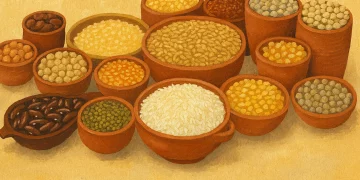










Introduction: The Mediterranean Diet—A Global Standard for Healthy Eating
The Mediterranean diet has long been recognized as one of the healthiest dietary patterns in the world. With its emphasis on fresh vegetables, fruits, whole grains, legumes, fish, and olive oil, this diet has become synonymous with longevity, heart health, and overall well-being. Originating from the traditional eating habits of countries bordering the Mediterranean Sea—such as Greece, Italy, Spain, and Southern France—the Mediterranean diet is not just a collection of foods but a way of life that emphasizes seasonal ingredients, local produce, and simple, flavorful preparation methods.
What sets the Mediterranean diet apart is its well-balanced focus on plant-based foods, healthy fats (especially olive oil), and moderate consumption of animal products like fish and poultry. This combination has been shown to reduce the risk of chronic diseases like cardiovascular disease, diabetes, and obesity, making it a cornerstone of health recommendations worldwide.
This article delves into the key components of the Mediterranean diet, examining its health benefits, its cultural significance, and why it continues to be embraced globally as a nutritious, sustainable, and flavorful way of eating.
I. The Core Components of the Mediterranean Diet
The Mediterranean diet is based on several essential ingredients that are consumed in abundance by people living in the Mediterranean region. These foods are packed with nutrients, antioxidants, and healthy fats, making them central to the diet’s health-promoting effects.
1.1 Olive Oil: The Heart of the Mediterranean Diet
Olive oil is considered the cornerstone of the Mediterranean diet and is used as the primary source of fat. Rich in monounsaturated fats, particularly oleic acid, olive oil provides a range of health benefits. Studies have shown that it can help lower bad cholesterol (LDL) while raising good cholesterol (HDL), thereby reducing the risk of heart disease.
1.1.1 The Health Benefits of Olive Oil
Olive oil is not only heart-healthy but also has anti-inflammatory properties. The polyphenols and antioxidants in olive oil, such as oleocanthal, can help reduce inflammation and fight oxidative stress, which is linked to various chronic diseases, including Alzheimer’s disease and cancer. Additionally, olive oil’s high content of vitamin E helps protect the skin from premature aging and oxidative damage.
The quality of olive oil varies significantly, and extra virgin olive oil (EVOO) is considered the highest quality, as it is cold-pressed without any chemical processing. EVOO contains the most antioxidants and polyphenols, which contribute to its superior flavor and health benefits.
1.2 Fruits and Vegetables: The Foundation of the Mediterranean Plate
Fresh vegetables and fruits are at the heart of the Mediterranean diet, with an emphasis on seasonal, locally grown produce. Common vegetables include tomatoes, eggplant, zucchini, spinach, artichokes, and leafy greens, while fruits such as citrus fruits, berries, grapes, and figs add natural sweetness and essential vitamins.
1.2.1 Nutrient-Rich and Antioxidant-Packed
Fruits and vegetables provide a rich source of fiber, vitamins, and minerals, especially vitamin C, vitamin K, folate, and potassium. They are also loaded with antioxidants that protect the body from free radicals and reduce the risk of chronic diseases. The high fiber content aids digestion, promotes a healthy gut, and helps maintain a healthy weight.
Moreover, the Mediterranean diet encourages the consumption of a variety of colorful fruits and vegetables, ensuring a wide spectrum of phytonutrients that contribute to overall health and vitality.
1.3 Whole Grains: A Staple for Energy and Heart Health
Whole grains such as farro, barley, bulgur, quinoa, and brown rice are an integral part of the Mediterranean diet. These grains provide complex carbohydrates, which deliver sustained energy and keep blood sugar levels stable.
1.3.1 Benefits of Whole Grains
Whole grains are a great source of fiber, which supports digestive health, reduces the risk of heart disease, and helps maintain a healthy weight. They are also rich in B vitamins, iron, and magnesium, which contribute to overall vitality. Regular consumption of whole grains has been linked to a reduced risk of type 2 diabetes, stroke, and certain cancers.
1.4 Legumes and Nuts: Plant-Based Protein Powerhouses
Legumes, including lentils, chickpeas, beans, and peas, are important sources of plant-based protein in the Mediterranean diet. They are low in fat and high in fiber, vitamins, and minerals, providing a healthy alternative to animal proteins.
1.4.1 The Role of Nuts and Seeds
Nuts and seeds, such as almonds, walnuts, hazelnuts, and chia seeds, are another key component of the Mediterranean diet. They are rich in healthy fats, particularly omega-3 fatty acids, which support heart health and reduce inflammation. Nuts also provide essential minerals, including magnesium, zinc, and selenium, which are crucial for overall well-being.
1.5 Fish and Seafood: Lean Protein and Omega-3s
The Mediterranean diet includes a moderate intake of fish and seafood, particularly oily fish like salmon, sardines, mackerel, and anchovies. These fish are excellent sources of omega-3 fatty acids, which have been shown to reduce the risk of heart disease, lower blood pressure, and improve brain health.
1.5.1 The Health Benefits of Fish
Fish and seafood are also rich in high-quality protein, vitamin D, and minerals like iodine and selenium, which support immune function, bone health, and cognitive function. Studies have found that people who consume fish regularly have a lower risk of heart disease, stroke, and certain types of cancer.
1.6 Moderate Wine Consumption: A Cultural Tradition
Wine, especially red wine, is often enjoyed in moderation with meals in Mediterranean cultures. It is believed that the polyphenols in red wine, particularly resveratrol, provide cardiovascular benefits, as they have antioxidant and anti-inflammatory effects.
1.6.1 The Benefits of Moderate Wine Consumption
While excessive alcohol consumption can be harmful, moderate wine consumption (typically one glass per day for women and up to two glasses per day for men) has been associated with a reduced risk of heart disease and improved longevity. The antioxidants in red wine help protect blood vessels, reduce cholesterol levels, and lower blood pressure.

II. Health Benefits of the Mediterranean Diet
The Mediterranean diet is widely regarded as one of the healthiest dietary patterns due to its ability to reduce the risk of chronic diseases and promote overall health.
2.1 Cardiovascular Health: Protecting the Heart
One of the most significant benefits of the Mediterranean diet is its positive impact on cardiovascular health. A large body of research has demonstrated that the Mediterranean diet can reduce the risk of heart disease, stroke, and high blood pressure.
2.1.1 Mechanisms of Heart Protection
The diet’s emphasis on healthy fats (particularly from olive oil and fish), fiber-rich vegetables, and whole grains helps to lower bad cholesterol (LDL) and increase good cholesterol (HDL), both of which are crucial for heart health. Additionally, the anti-inflammatory properties of olive oil, nuts, and fish help reduce inflammation, which is a key factor in the development of heart disease.
2.2 Weight Management and Obesity Prevention
The Mediterranean diet is also effective in helping individuals maintain a healthy weight and prevent obesity. By focusing on whole, nutrient-dense foods and minimizing processed foods and refined sugars, the Mediterranean diet promotes satiety and reduces overeating.
2.2.1 Weight Loss and Fat Reduction
Research has shown that individuals following the Mediterranean diet have a better chance of losing weight and maintaining weight loss over the long term compared to other diet patterns. The diet’s high fiber content, healthy fats, and moderate protein intake help regulate hunger hormones and support fat loss.
2.3 Diabetes Prevention and Blood Sugar Control
The Mediterranean diet has been found to improve blood sugar control and reduce the risk of developing type 2 diabetes. Its focus on whole grains, legumes, and healthy fats helps stabilize blood sugar levels and improve insulin sensitivity.
2.3.1 Reduced Risk of Diabetes
A landmark study, the PREDIMED study, found that people following a Mediterranean diet had a significantly lower risk of developing type 2 diabetes compared to those following a low-fat diet. The high fiber content of the diet helps regulate blood sugar levels, while the antioxidants in fruits and vegetables reduce oxidative stress, which is linked to insulin resistance.
III. The Mediterranean Diet and Longevity
One of the most compelling reasons why the Mediterranean diet is praised worldwide is its connection to longevity. People in Mediterranean countries, particularly in Greece and Italy, have some of the longest life expectancies in the world.
3.1 The Blue Zones and Mediterranean Diet
The Blue Zones are regions of the world where people live longer, healthier lives. Several Blue Zones, such as the island of Ikaria in Greece and Sardinia in Italy, are located in the Mediterranean region. These populations consume a traditional Mediterranean diet, which is thought to be a key factor in their remarkable longevity and low rates of chronic diseases.
3.1.1 Longevity Benefits
Research indicates that the Mediterranean diet’s emphasis on fresh, whole foods, healthy fats, and moderate wine consumption may contribute to better aging, with people in these regions experiencing lower rates of heart disease, stroke, and cancer.
Conclusion: The Enduring Appeal of the Mediterranean Diet
The Mediterranean diet represents more than just a healthy way of eating; it embodies a philosophy of life that promotes balance, sustainability, and enjoyment of simple, flavorful foods. By focusing on plant-based ingredients, healthy fats, and moderate consumption of animal products, the Mediterranean diet provides a sustainable and health-promoting approach to nutrition.
As research continues to underscore its numerous health benefits, from heart health to weight management and diabetes prevention, the Mediterranean diet stands as a beacon of longevity, vitality, and well-being. For those looking to improve their health and embrace a more mindful, flavorful way of eating, the Mediterranean diet offers a timeless blueprint for a healthier lifestyle.
By incorporating more fresh vegetables, fruits, whole grains, and healthy fats into your meals, and adopting the Mediterranean way of eating, you too can begin to enjoy the many health benefits this diet has to offer.