






Introduction: The Intersection of Technology and Culinary Arts
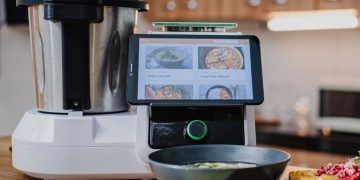
In recent years, the food industry has witnessed a remarkable transformation driven by the integration of artificial intelligence (AI) across various sectors. From automated kitchens and food delivery optimization to personalized nutrition and smart appliances, AI is reshaping the way food is prepared, consumed, and enjoyed. One of the most exciting developments is AI recipe generation, where machine learning and algorithms are utilized to design innovative, diverse, and customized menus.
This technological advancement is opening new doors for chefs, food brands, and restaurants to push the boundaries of culinary creativity, while also catering to specific dietary needs, preferences, and trends. AI-driven recipe generation provides the opportunity to experiment with novel ingredients, cooking methods, and flavor combinations that may have otherwise remained unexplored. It also enables restaurants and food brands to tailor their offerings to meet consumer demands for health-conscious, sustainable, and unique dining experiences.
In this article, we explore the concept of AI recipe generation, its applications in the foodservice industry, the benefits and challenges it presents, and the potential future of algorithmic menu design.
I. The Rise of AI in the Food Industry
1.1 Defining AI Recipe Generation
AI recipe generation refers to the process of using machine learning algorithms and data-driven models to create new, unique recipes. These algorithms analyze vast amounts of food-related data, including existing recipes, ingredient combinations, nutritional values, and consumer preferences. By processing this information, AI can suggest innovative dishes, optimize existing recipes, and even predict how well certain flavor profiles will pair together.
In essence, AI serves as a powerful tool for chefs and food creators by providing them with the means to experiment with ingredients and culinary techniques that may be beyond traditional human intuition. Through the analysis of taste profiles, texture, aroma, and presentation, AI systems generate recipes that meet specific criteria, ranging from sustainability and nutrition to consumer preferences and food trends.
1.2 How Does AI Recipe Generation Work?
AI recipe generation typically involves the use of machine learning, natural language processing (NLP), and neural networks to build and improve upon recipe designs. The process can be broken down into the following steps:
- Data Collection: The first step in the process is gathering a vast dataset of recipes, ingredients, cooking methods, and consumer feedback. These datasets can include structured data from cookbooks, online recipe platforms, restaurant menus, food blogs, and even user-generated content.
- Pattern Recognition: Once the data is collected, AI algorithms analyze it to identify patterns in ingredients, cooking techniques, and flavor pairings. For example, the system might notice that certain ingredients tend to be paired together in multiple recipes or that certain flavor profiles are consistently preferred by consumers.
- Recipe Generation: Based on the insights gained from pattern recognition, the AI system uses generative models to create new recipes. These algorithms consider various factors, including ingredient compatibility, dietary restrictions, flavor balance, and even regional or cultural preferences.
- Optimization: AI can continuously improve the recipes it generates by testing them against real-world conditions. This can include feedback from professional chefs, user preferences, or nutritional analysis. The goal is to refine the recipes for taste, presentation, and nutritional value.
- Personalization: AI can also tailor recipes to specific consumer needs, such as dietary restrictions (e.g., gluten-free, vegan, low-carb), or even personal preferences such as spiciness or sweetness.
II. Applications of AI Recipe Generation in the Food Industry
2.1 Empowering Chefs with New Creative Possibilities
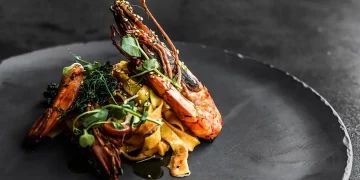
One of the most exciting aspects of AI recipe generation is its ability to help chefs and food creators push the boundaries of traditional cooking. By leveraging AI, chefs can explore unconventional ingredient pairings and innovative cooking techniques that they may not have considered. For example, AI could suggest combining seaweed with chocolate, or mango with goat cheese—flavor combinations that might seem unusual at first but could result in truly unique dishes.
AI recipe generation also allows chefs to efficiently experiment with various flavor profiles, optimizing dishes to meet specific tastes or dietary preferences. As AI models learn more about customer feedback, they can help chefs refine their menus to ensure flavor consistency and customer satisfaction.
2.1.1 Example: IBM’s Chef Watson
IBM’s Chef Watson is one of the most well-known AI systems in the culinary world. Chef Watson uses natural language processing and machine learning algorithms to generate unique recipes based on available ingredients, flavor preferences, and dietary requirements. It analyzes existing recipe data to identify unusual but complementary flavor pairings. Through its collaboration with chefs, Watson has helped create innovative dishes that blend traditional techniques with futuristic flavor profiles.
2.2 Enhancing Personalization and Customization
AI recipe generation goes beyond simply creating new dishes—it also allows for a personalized dining experience. By integrating consumer data into the recipe design process, AI can craft dishes that cater to individual tastes, preferences, and even health goals.
For instance, an AI system could analyze a customer’s dietary restrictions, such as avoiding dairy or gluten, and then generate recipes based on those needs. This is particularly useful for meal delivery services, which can offer customers personalized meal plans designed specifically for their nutritional requirements.
2.2.1 Example: Meal Planning Apps
Several meal planning apps and food delivery services are beginning to incorporate AI-driven recipe generation to personalize user experiences. For example, apps like HelloFresh and Blue Apron use algorithms to suggest meal kits that are tailored to users’ tastes and dietary needs, while also considering things like preparation time and available ingredients.
2.3 Optimizing Menu Design for Restaurants
AI recipe generation is also revolutionizing menu design for restaurants and food brands. Traditionally, menu creation was a labor-intensive process based on a chef’s expertise, market trends, and regional preferences. Today, AI is capable of streamlining this process by generating multiple menu options, complete with ingredient sourcing, cost analysis, and even consumer appeal.
For instance, AI can suggest recipes that align with food trends (such as plant-based meals or sustainable sourcing) while optimizing for cost-effectiveness and operational efficiency. By analyzing customer data and feedback, AI systems can help restaurants make data-driven decisions about which dishes to feature, ensuring maximum profitability and customer satisfaction.
2.3.1 Example: Recipe Recommendations for Chain Restaurants
Large restaurant chains are utilizing AI to create and test secret menu items, limited-time offers, or seasonal specials that cater to specific consumer demands. For example, AI can help identify trends such as a growing interest in vegetarian or plant-based foods, prompting restaurants to introduce new dishes aligned with these preferences.

III. Benefits of AI Recipe Generation
3.1 Creativity and Innovation in the Kitchen
AI recipe generation fosters creativity by presenting chefs with new possibilities for ingredients, flavor combinations, and cooking techniques. The algorithmic approach allows for unexpected pairings that might have been overlooked by human chefs, encouraging culinary innovation.
3.2 Efficiency and Cost Optimization
The use of AI can optimize ingredient sourcing, reducing waste and ensuring that recipes are cost-efficient. By analyzing trends in ingredient pricing and availability, AI can help chefs and restaurant owners make decisions that reduce food waste and improve profitability.
3.3 Catering to Health and Dietary Trends
AI can also address the growing demand for health-conscious and diet-specific meals. It can generate recipes that cater to vegan, gluten-free, low-carb, or keto diets while ensuring that the dishes remain flavorful and appealing.
3.4 Personalization at Scale
AI allows for the creation of highly personalized menus, which is especially important for meal delivery services and health-conscious food brands. Consumers increasingly seek customized solutions that match their unique preferences, and AI can meet this demand by tailoring recipes to individual tastes, health goals, and even seasonal ingredients.
IV. Challenges of AI Recipe Generation
4.1 Lack of Human Touch in Culinary Arts
While AI can generate innovative recipes, it still lacks the human intuition that many chefs rely on when crafting a dish. Sensory experiences such as texture, presentation, and cultural context play a huge role in the appeal of a dish. AI may not always capture these nuances, which can limit its ability to produce recipes that fully resonate with human consumers.
4.2 Ethical and Cultural Considerations
AI recipe generation may sometimes overlook the cultural significance or ethical considerations of certain ingredients. For instance, some algorithms may suggest combinations of ingredients that are not traditionally paired in certain cuisines, which could alienate consumers who are deeply connected to their culinary heritage.
4.3 Dependency on Data Quality
The success of AI-generated recipes is largely dependent on the quality and scope of the data it uses. If the data is limited or biased, the resulting recipes may not meet the standards expected by consumers or chefs.
V. The Future of AI Recipe Generation
AI’s role in food innovation is still in its infancy, but the potential for its future use is vast. As the technology evolves, AI recipe generation could become a central tool in kitchens around the world, empowering chefs to create previously unthinkable dishes, assisting home cooks in crafting meals that meet their nutritional needs, and revolutionizing the way we think about food.
In the coming years, AI may become more adept at mimicking the human touch, combining algorithmic precision with sensory expertise, to create truly innovative culinary experiences. The integration of AI with other technologies, such as augmented reality (AR) for recipe visualization, or robotics for cooking, could also further elevate the dining experience, offering consumers more immersive and personalized interactions with their food.
Conclusion: Redefining Culinary Innovation
AI recipe generation is paving the way for a new era of culinary innovation. From enabling chefs to explore novel combinations to personalizing menus for consumers’ specific tastes and dietary needs, AI is transforming the food industry in profound ways. While challenges remain, particularly in balancing technology with the artistry of cooking, the future of AI in the culinary world holds tremendous promise. As we move forward, AI could very well become an essential tool for chefs and food brands aiming to stay ahead of the curve in an ever-changing global food landscape.