









Introduction: The Art of Culinary and Design Collaboration
In the ever-evolving world of gastronomy, the boundaries between food, art, and design are becoming increasingly blurred. A new wave of innovation is rising where designers and chefs collaborate to create immersive dining experiences that go beyond the traditional notion of a meal. These collaborations are not just about serving food; they are about telling a story, evoking emotions, and creating a multi-sensory experience where food, space, and narrative seamlessly merge into a cohesive work of art.
These innovative menus push the limits of what food can be, incorporating elements of visual art, architecture, theater, and interactive design. Chefs are no longer just preparing meals—they are crafting experiences that engage all the senses and transport diners into a conceptual world. By collaborating with designers, they are creating environments where food is not merely something to be consumed but something to be experienced and appreciated in its broader artistic context.
This article will explore how designers and chefs are working together to create artistic menus that go beyond food to integrate space, atmosphere, and storytelling into the dining experience. We will also examine the impact these collaborations have on the food industry, dining culture, and the future of culinary art.
I. The Rise of Experiential Dining: From Meal to Immersive Art
1.1 What Is Experiential Dining?
Experiential dining refers to a new genre of dining experiences that focus on creating an environment where every element—food, space, atmosphere, and service—is thoughtfully curated to provide a holistic and emotional experience. This trend is part of the broader movement towards immersive experiences in entertainment, where the audience (in this case, the diner) is no longer just a passive observer but an active participant in the narrative.
The idea is to engage diners in a storytelling journey, where the food is part of a larger narrative that plays out not only through the dishes themselves but also through the ambiance, presentation, and even the pace of the meal. This fusion of art and dining has become more common in high-end restaurants, where the concept of the meal is as important as the food itself.
1.2 Why Designers and Chefs Collaborate
Historically, chefs have focused on the food, while designers have worked on creating a comfortable, visually pleasing environment for diners. However, as the desire for more immersive, conceptual dining experiences has grown, the need for collaboration has emerged. By working together, chefs and designers can combine their expertise to craft a dining experience that is both aesthetically pleasing and emotionally engaging.
Designers bring their understanding of space, lighting, and visual composition, while chefs contribute their knowledge of flavors, textures, and presentation. Together, they create experiences that stimulate all the senses—sight, taste, smell, sound, and even touch. This holistic approach is one of the key elements that defines the new era of experiential dining.
II. The Art of the Menu: Designing Food as Visual Art
2.1 Culinary Art as a Storytelling Medium
At the heart of these artistic collaborations is the idea that food can be a medium for storytelling. In these dining experiences, the menu is more than just a list of dishes—it becomes a narrative arc that unfolds with every course. Each dish is designed to evoke certain emotions or memories, and the order in which they are served creates a flow that mimics the progression of a story.
For example, at the renowned restaurant Noma in Copenhagen, Chef Rene Redzepi and his team are known for creating menus that draw inspiration from the seasons and their local surroundings. The story of the meal is tied to the region’s landscapes, the ingredients’ origins, and the philosophy behind each dish. In a similar vein, the collaboration between designer Olivier Leroi and Chef Massimo Bottura at Osteria Francescana uses food as a canvas to tell stories about the history of Italy, emotional connections, and the cultural significance of each dish.
In these types of collaborations, food becomes a tool for evoking memories, creating atmosphere, and transforming an ordinary meal into a work of art. The collaboration between designers and chefs ensures that the presentation, the ingredients, and the narrative are all aligned to create a seamless experience.
2.2 The Role of Design in Food Presentation
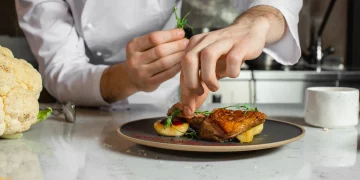
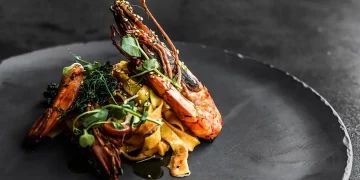
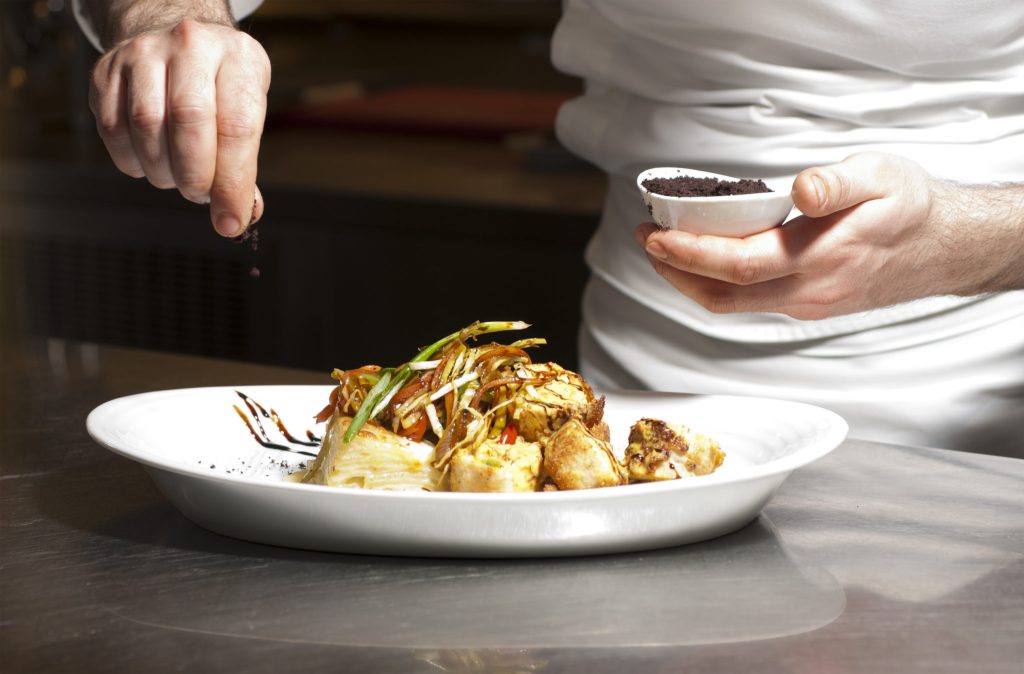
In many high-end restaurants, food presentation has evolved beyond simple garnishing and plating. Designers are now working with chefs to transform food into sculptures that tell stories, reflect themes, and challenge traditional notions of what food should look like. The plating of the dish becomes an integral part of the experience—something that can enhance the flavor, deepen the narrative, and add an element of surprise.
At the restaurant Alinea in Chicago, Chef Grant Achatz and designer Martin Kastner have redefined food presentation with the creation of unique, interactive serving vessels and tools that complement the experimental dishes. For example, in one memorable dish, a puffed rice shell containing smoked honey is placed in front of the diner, and as they break it open, the room fills with the scent of honey and smoke, intensifying the sensory experience.
Designers are also integrating lighting, colors, and textures into the dining space to create a cohesive atmosphere that complements the food. This collaboration ensures that every element of the dining experience works together to engage diners both physically and emotionally.
III. Transforming Space into an Artful Dining Environment
3.1 The Power of Space in Experiential Dining
The space in which the meal takes place is just as important as the food itself. In experiential dining, the environment is carefully designed to support and enhance the story of the meal. This can include everything from lighting and sound to furniture and decor. Designers are tasked with creating environments that foster a sense of wonder, surprise, and intimacy.
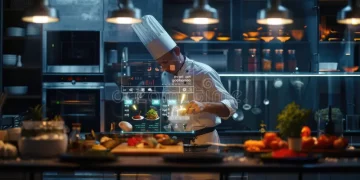
For example, in the restaurant Sublimotion in Ibiza, Chef Paco Roncero has created an immersive experience where diners are transported into a different world with the use of 360-degree projections, interactive visuals, and immersive audio. The entire room is transformed into a dynamic environment that changes as the course progresses, creating a truly unique sensory journey.
In some cases, designers have worked with chefs to create entirely themed dining rooms, where the environment mirrors the concept of the meal. Whether it’s an underwater dining experience with aquatic projections or a forest-themed restaurant with real plants, the design of the space works in harmony with the food, reinforcing the narrative.
3.2 Multi-Sensory Design: The Integration of Sound and Visuals
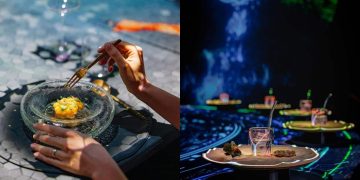
An often overlooked but crucial element of experiential dining is the role of sound and music. The right soundtrack can amplify the emotional impact of a meal, while visuals can evoke moods and emotions that heighten the sensory experience. Designers are incorporating projected visuals, interactive elements, and soundscapes to create a multi-sensory environment where food is not the only focus, but rather a part of a larger sensory experience.
In restaurants like The Fat Duck in the UK, Chef Heston Blumenthal collaborates with designers and technologists to create multi-sensory meals that play with the sounds of ingredients cooking or the aromas wafting through the air, giving diners a deeper understanding of the food they are consuming.
IV. The Future of Culinary Art: Where Will This Collaboration Lead?
4.1 Breaking Down the Boundaries Between Art and Food
The collaboration between designers and chefs marks a new era in the world of gastronomy—one where food is no longer simply sustenance, but a medium for expression, emotion, and culture. As more chefs and designers team up to push the boundaries of what food can be, the dining experience becomes increasingly immersive, interactive, and deeply personal.
The future of dining will likely see more immersive and conceptual experiences, where designers and chefs work hand-in-hand to craft entire environments around a meal. These experiences may blend technology, art, and food into new forms of entertainment that engage diners in ways never before seen in the culinary world.
4.2 Impact on the Broader Food Industry
As this trend grows in the fine dining sector, it has the potential to influence the broader food industry. Restaurants will increasingly be challenged to not only focus on the taste of food but also the experience of dining. This shift could bring about a revolution in the way we approach food—from fast casual to fine dining—and create a new wave of dining that goes beyond what we’ve known.
Conclusion: A New Era of Dining
The collaboration between designers and chefs to create artistic, immersive menus represents a new era in gastronomy—one where food, space, and storytelling come together to create an experience that engages all the senses. These multi-sensory dining experiences are redefining what it means to dine out, turning meals into works of art that tell a story, evoke emotions, and transport diners into a world where food is more than just something to eat—it’s something to experience.
As the future of dining continues to evolve, the fusion of food, design, and storytelling will likely play a critical role in shaping the dining landscape, offering endless possibilities for innovation, creativity, and collaboration in the culinary world. Whether in the most innovative restaurants or in everyday food experiences, the boundaries between art and gastronomy are more fluid than ever, leading to a world where food is truly art.