








Introduction: The Evolution of Low-Temperature Cooking
In recent years, low-temperature cooking techniques such as sous vide and vacuum cooking have gained immense popularity in both professional kitchens and home cooking. These methods, which rely on cooking food at controlled temperatures over an extended period, represent a significant shift from traditional high-heat cooking practices. The promise of these techniques is clear: maximum flavor retention and nutrient preservation, offering a more sophisticated and healthier approach to preparing meals.
In this article, we will explore the principles behind low-temperature cooking methods, such as sous vide, and vacuum cooking, and their role in preserving the delicate flavors, textures, and nutritional value of ingredients. We will also delve into the scientific rationale behind these cooking methods, their impact on the food industry, and their increasing integration into both gourmet and home kitchens.
I. The Science Behind Low-Temperature Cooking
1.1 Understanding Low-Temperature Cooking
Low-temperature cooking involves using heat to cook food at moderate temperatures over long periods of time. Unlike conventional methods that rely on high heat to cook food quickly, low-temperature cooking preserves the integrity of both flavors and nutrients. Cooking at temperatures that range from 50°C (122°F) to 85°C (185°F) allows for precise control, making it possible to cook ingredients to their optimal texture and flavor profile without the risk of overcooking.
These techniques are often associated with two primary methods: sous vide and vacuum cooking. While they share similarities in terms of temperature control and cooking time, they each have distinct characteristics and applications. Let’s explore these techniques in more detail.
1.2 Sous Vide: The Pinnacle of Flavor and Texture
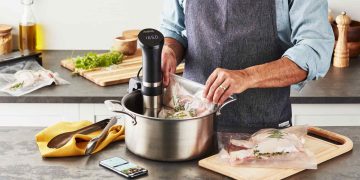
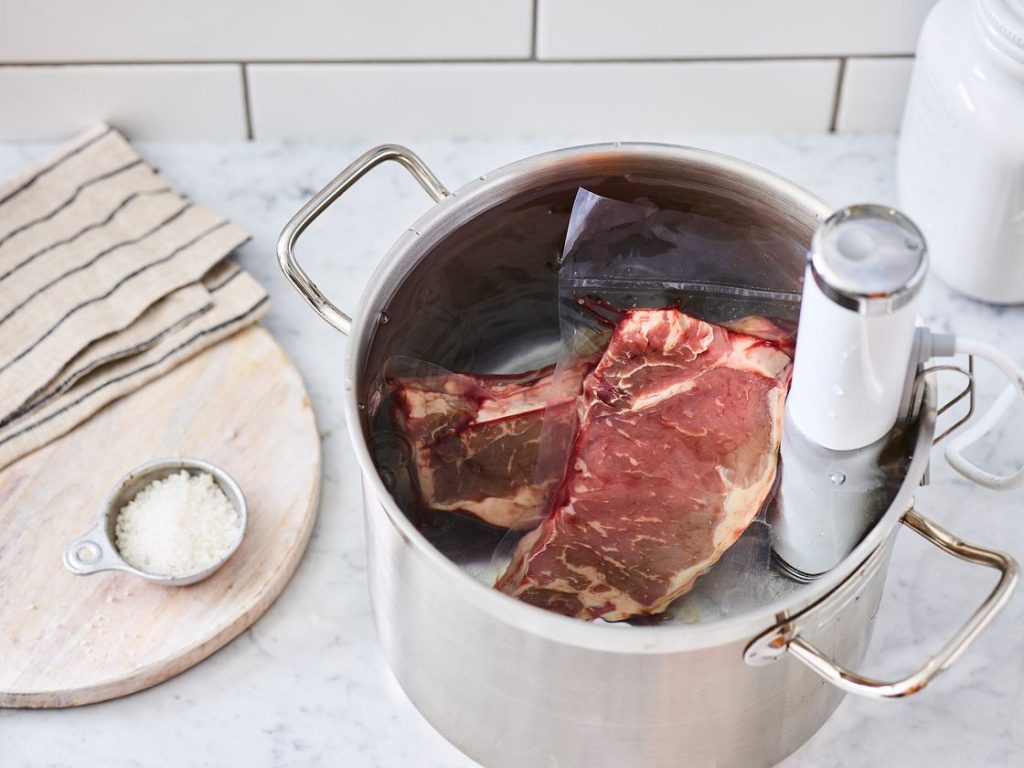
Sous vide, which means “under vacuum” in French, is a cooking method in which food is sealed in a vacuum-sealed bag and cooked in a water bath at a controlled low temperature. The food is typically cooked for several hours, depending on the type of food and desired outcome. The primary advantage of sous vide cooking is its ability to retain the natural juices and flavors of the ingredients while evenly cooking them throughout. This process also preserves nutrients that might otherwise be lost in high-heat cooking.
Sous vide cooking is widely recognized for its ability to produce perfectly tender meats, precise fish fillets, and flavorful vegetables. The sealed bag creates a closed cooking environment, locking in moisture and minimizing flavor loss. This method allows chefs to achieve consistent results that are difficult to replicate with traditional cooking techniques.
1.3 Vacuum Cooking: A New Wave of Slow Cooking
Vacuum cooking, often used in tandem with sous vide, refers to the technique of cooking food that is vacuum-sealed and then immersed in hot water or steam at a low temperature. Unlike sous vide, which focuses on precise water temperature control, vacuum cooking typically uses a vacuum chamber or pressure cooker to create an environment where food is cooked under reduced atmospheric pressure. This technique is especially effective for foods that require gentle heat for long periods, such as stews, soups, and braised dishes.
Vacuum cooking has become a staple in modern kitchens because it offers an effective way to enhance flavor extraction and reduce cooking time while still maintaining the integrity of the ingredients. By sealing the food in a vacuum environment, it allows for a more concentrated flavor profile and smoother textures.
II. Retaining Nutrients: Why Low-Temperature Cooking Works
2.1 The Importance of Nutrient Retention
One of the primary benefits of low-temperature cooking is the preservation of nutrients that are typically degraded by high heat. In traditional cooking methods, such as boiling or frying, many water-soluble vitamins (e.g., vitamin C, B vitamins) and minerals are lost in the cooking process. Additionally, high temperatures can destroy delicate enzymes that aid in digestion and nutrient absorption.
By using controlled, low temperatures, the rate at which these nutrients degrade is significantly slowed. For example, when vegetables are cooked at lower temperatures, their vitamin C content is better preserved than when they are boiled at high temperatures. Similarly, fat-soluble vitamins (such as vitamin A and vitamin E) are also better preserved during low-temperature cooking processes like sous vide.
2.2 Preserving Enzymes and Antioxidants
Another significant advantage of low-temperature cooking is its ability to preserve the beneficial enzymes and antioxidants in food. Antioxidants, which help protect the body from damage caused by free radicals, are particularly sensitive to heat. When food is subjected to high temperatures, many of these antioxidants break down, reducing their effectiveness.
Low-temperature cooking helps retain these nutrients because the cooking process is slower and more controlled, minimizing the exposure of the food to excessive heat. Sous vide, in particular, ensures that the food remains in a sealed, air-tight environment, preventing oxidative damage to the nutrients.
2.3 The Slow Cooking Advantage: More Flavor, Less Waste
Slow cooking at low temperatures also enables food to be more efficiently absorbed by the body. With less nutrient loss and more flavors locked in, meals are not only tastier but also more nutrient-dense. Additionally, this method often requires fewer cooking fats, oils, and added seasonings, as the natural flavors of the ingredients are intensified. For those looking to eat more mindfully and with greater awareness of health, this approach represents an ideal way to enjoy food that is both delicious and nourishing.
III. Culinary Applications: How Low-Temperature Cooking Transforms Dishes
3.1 Meats and Seafood: Achieving Perfection
The most well-known application of low-temperature cooking is the preparation of meats. Sous vide has revolutionized the way steaks, poultry, and fish are cooked. Traditionally, achieving a perfectly medium-rare steak without overcooking it was a challenge even for skilled chefs. Sous vide, however, ensures that the meat is cooked evenly throughout, resulting in a perfect texture and flavor from edge to edge.
Fish, such as salmon or tuna, also benefits greatly from low-temperature cooking. By cooking fish at temperatures as low as 50°C (122°F), chefs can preserve the delicate flakiness and moisture that are often lost in traditional grilling or frying methods. The ability to cook fish gently results in a tender, succulent texture, while maintaining the fish’s natural flavors.
3.2 Vegetables: Maximizing Freshness and Nutrient Density
Low-temperature cooking also shines in vegetable preparation. Vegetables cooked sous vide or via vacuum cooking retain their freshness, color, and nutrient profile far better than those cooked through conventional methods. Because the cooking temperature is gentle, the natural crispness of the vegetables is preserved while also intensifying their flavors.
For instance, cooking carrots at a lower temperature for an extended period leads to a sweeter, more concentrated flavor compared to the traditionally boiled variety. Likewise, vegetables like asparagus, beets, and artichokes benefit from the sous vide technique, which helps them maintain their texture and nutrient density.
3.3 Sauces and Stocks: Extracting Maximum Flavor
Sous vide and vacuum cooking techniques are also used to make rich sauces and stocks by allowing flavors to slowly infuse and concentrate over time. Traditional methods often require prolonged simmering at high temperatures, which can cause flavor loss and evaporation. With low-temperature cooking, the extraction of flavors is far more efficient and precise, yielding a fuller, more robust flavor profile.
IV. The Benefits Beyond Flavor and Nutrition
4.1 Time and Efficiency: Hands-Off Cooking
One of the significant benefits of low-temperature cooking is that it allows for greater flexibility in the kitchen. Methods like sous vide require minimal intervention once the food is prepared. After sealing the food in a bag, it can be placed in a water bath and left to cook for hours without the need for constant monitoring.
For busy chefs or home cooks, this means that the cooking process is largely hands-off, allowing them to focus on other tasks or prepare multiple dishes at once. This increased efficiency is particularly beneficial in professional kitchens, where time management is critical.
4.2 Sustainability and Waste Reduction
Low-temperature cooking methods are also more sustainable and help reduce food waste. Because food is cooked in a vacuum-sealed environment, there is minimal loss of ingredients and flavor. Additionally, tougher cuts of meat and lesser-known vegetables can be used to great effect, making it possible to create flavorful, nutritious dishes from ingredients that might otherwise be discarded.
V. The Future of Low-Temperature Cooking
As technology continues to advance, the use of low-temperature cooking methods will become even more accessible and widespread. Home cooks are now able to replicate the precision and results once reserved for Michelin-starred restaurants with the advent of affordable sous vide machines and vacuum-sealing systems. The ability to cook restaurant-quality food at home will undoubtedly continue to shape the future of home dining and health-conscious eating.
Moreover, as more research is conducted on the health benefits of slow-cooked meals, low-temperature techniques are likely to see an expansion in the culinary world, particularly in health-focused restaurants, meal delivery services, and food innovation companies. By prioritizing nutrient preservation and flavor enhancement, these methods align with a growing global trend toward sustainable, wellness-oriented dining experiences.
Conclusion: A Culinary Revolution in the Making
Low-temperature cooking techniques such as sous vide and vacuum cooking have transformed the way we think about cooking. By focusing on precision, flavor preservation, and nutrient retention, these methods offer unparalleled control over the cooking process, allowing both professional chefs and home cooks to create dishes that are not only delicious but also healthier.
As these techniques continue to gain popularity, the future of cooking looks brighter than ever—one where food is elevated to an art form, and every bite is a testament to the power of scientific innovation in the kitchen.