






Introduction: Redefining the Role of the Kitchen
Over the past few decades, the world of culinary arts has undergone a radical transformation. What was once considered the domain of simple nourishment and tradition has now evolved into a vibrant space of creativity, innovation, and self-expression. The kitchen, historically a place for practical food preparation, has increasingly become a canvas for chefs to explore new ideas, techniques, and aesthetics.
In this new paradigm, culinary professionals are blending art, science, and culture to create dishes that are as much about visual appeal and sensory experience as they are about taste. The concept of artistic cuisine goes beyond the mere act of cooking—it is about rethinking food as a medium for creative expression, where each plate becomes a work of art in its own right. Whether it’s through intricate plating techniques, the use of molecular gastronomy, or the incorporation of unconventional ingredients, modern chefs are pushing the boundaries of what food can represent.
This article will delve into the world of artistic cuisine, exploring the intersection between food and art, the evolution of culinary creativity, and the ways in which the kitchen has become a space for artistic innovation.
Section 1: The Evolution of Culinary Art
The Rise of Professional Cooking as an Art Form
Historically, the concept of food as art was not widely recognized. In the early days of culinary tradition, cooking was seen primarily as a functional task: to feed people and nourish the body. The focus was on taste, texture, and sustenance. However, over time, as culinary techniques advanced and society’s appreciation for aesthetics grew, cooking began to be viewed as a form of creative expression.
French haute cuisine, popularized in the 17th and 18th centuries, played a pivotal role in shaping modern culinary arts. Chefs like Auguste Escoffier revolutionized professional kitchens by introducing standardized cooking techniques and focusing on the presentation of food. This laid the groundwork for the more refined and artful approach to cooking that would emerge in the 20th century.
In the 1960s and 1970s, the modernist cuisine movement further pushed the boundaries of cooking as an art form. Chefs began experimenting with new techniques, ingredients, and technologies to create innovative dishes. This period also saw the rise of celebrity chefs, such as Julia Child and Jacques Pépin, who brought cooking into the public eye as a cultural phenomenon, transforming the kitchen into a stage for creative expression.
Culinary Schools and Formal Training
As culinary arts gained prestige, many institutions began offering formal education in the discipline. Culinary schools around the world began emphasizing not only technical skills but also the importance of creativity, innovation, and aesthetics. Today, chefs are trained not just in the basics of food preparation, but in the art of plating, composition, and visual storytelling.
These educational institutions foster an environment where students are encouraged to think critically and artistically about food. It’s no longer enough to simply cook well; chefs must also be able to create food that delights the eyes and engages the imagination. The ability to express oneself through food has become a hallmark of modern culinary artistry.
Section 2: The Intersection of Food and Visual Art
Plating: The Art of Presentation
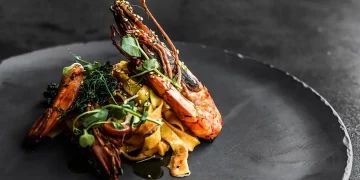
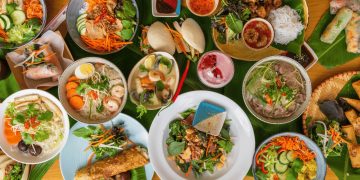
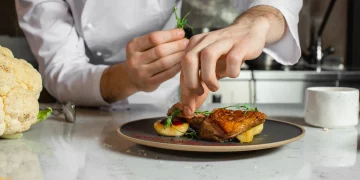
One of the most direct ways in which food becomes art is through plating—the arrangement of food on a plate in a visually appealing way. Plating is not just about making food look attractive; it’s about creating a narrative and evoking emotion through the visual presentation of a dish. Just as a painter uses a canvas to express ideas and emotions, a chef uses a plate to tell a story.
The influence of visual art in the kitchen is particularly evident in the work of Michelin-starred chefs. For instance, Grant Achatz, known for his work at Alinea in Chicago, incorporates art and science into his cooking by creating multi-sensory dining experiences that engage not only the palate but also the visual and tactile senses. His use of molecular gastronomy—the application of scientific techniques to food preparation—results in dishes that challenge traditional perceptions of what food can be.
Similarly, chefs like Joan Roca and Ferran Adrià, both pioneers of modernist cuisine, have redefined the boundaries between food and art. Adrià’s restaurant El Bulli, once considered one of the best in the world, was known for its avant-garde approach to cooking, with dishes that were as much about creativity and concept as they were about flavor.
The Role of Color, Texture, and Composition
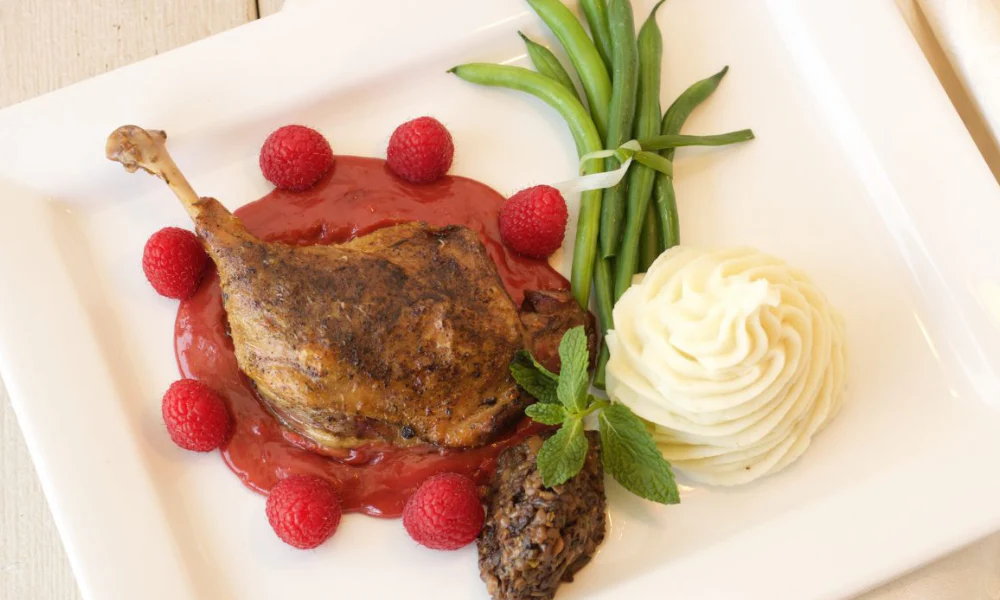
In the art of plating, color, texture, and composition play a central role. A well-plated dish is not just about placing food on a plate; it’s about using the elements of design to create a harmonious and balanced visual experience. Chefs often use contrasting colors, delicate garnishes, and carefully selected textures to evoke different emotions and draw attention to the key components of a dish.
For example, a vibrant green sauce might evoke freshness, while a rich, deep red might suggest warmth and comfort. The texture of food—whether crispy, creamy, or smooth—adds an additional layer to the visual narrative, creating a multi-sensory experience for diners. Every element of the plate, from the color of the sauce to the arrangement of the vegetables, contributes to the overall artistic effect.
Section 3: Molecular Gastronomy and the Science of Art
The Role of Technology in Artistic Cuisine
In recent years, the field of molecular gastronomy has transformed the way chefs approach food as art. Molecular gastronomy combines food science with creativity, allowing chefs to manipulate ingredients in ways that were previously unimaginable. Techniques such as spherification, gelification, and foams enable chefs to create textures, flavors, and visual effects that engage the senses in novel ways.
One of the most famous proponents of molecular gastronomy is Heston Blumenthal, the chef behind the renowned restaurant The Fat Duck in the UK. Blumenthal’s use of liquid nitrogen, edible foams, and sous-vide cooking techniques has earned him a reputation for pushing the limits of culinary creativity. His dishes are often described as “scientific experiments” that blur the line between food and art.
While molecular gastronomy may seem like a futuristic approach to cooking, it has its roots in the artistic pursuit of creating new, exciting ways to experience food. Just as a painter uses new materials and techniques to create groundbreaking works of art, chefs are using technology and science to redefine the possibilities of what food can be.
The Fusion of Art and Science
Molecular gastronomy represents the convergence of art and science, where the creativity of chefs is enhanced by the precision and innovation of modern technology. It allows chefs to create dishes that are visually stunning, intellectually stimulating, and delicious. The use of scientific techniques in the kitchen, combined with an artistic sensibility, results in a new kind of cuisine—one that is not just about sustenance, but about creating an experience that engages all the senses.
This fusion of art and science in the kitchen has inspired a new generation of chefs who are eager to experiment with unconventional ingredients and techniques. For example, liquid nitrogen can instantly freeze ingredients, allowing chefs to create striking textures and temperatures in dishes. Sous-vide cooking, which involves cooking food in vacuum-sealed bags at low temperatures, allows chefs to achieve perfect precision and flavor extraction.
Section 4: The Social and Cultural Impact of Artistic Cuisine
Culinary Art as a Social Experience
Artistic cuisine is not just about the individual creativity of chefs; it also has a profound impact on society and culture. Dining has evolved from a basic, functional activity to an immersive, social experience. The modern restaurant is as much about the atmosphere, design, and experience as it is about the food itself. Chefs are now curating multi-course tasting menus that offer diners a journey through flavors, textures, and emotions.
The dining experience has become a form of performance art, where chefs act as creators and diners as participants in the performance. The act of watching chefs prepare food, especially in open kitchens, has become a form of entertainment in itself. It is no longer just about eating; it is about experiencing the process of creation and the art of cooking in real time.
Culinary Art and Cultural Identity
Artistic cuisine also plays an important role in the preservation and celebration of cultural identities. Many chefs are using their platform to explore the history, traditions, and flavors of their cultural heritage. By reinterpreting traditional dishes through an artistic lens, chefs are able to introduce the rich tapestry of their culture to a global audience.
For example, chefs like Daniel Humm of Eleven Madison Park in New York City or Dominique Crenn of Atelier Crenn in San Francisco often incorporate elements of their personal history and cultural background into their cooking, creating dishes that reflect their journey and artistic vision.
Conclusion: The Future of Culinary Art
As culinary arts continue to evolve, the kitchen will remain a space for creativity, experimentation, and expression. The fusion of art, science, and culture in modern cuisine has transformed cooking from a practical necessity into a dynamic and immersive art form. The future of culinary art lies in the continued exploration of new techniques, technologies, and ingredients that challenge our perceptions of food, flavor, and beauty.
In a world where the boundaries between food, art, and science are increasingly blurred, chefs are no longer simply preparing meals—they are creating art, telling stories, and providing experiences that engage all the senses. The kitchen, once a place of routine and practicality, has become a space where creativity and innovation are at the forefront of a new culinary revolution.