









Introduction: The Changing Landscape of Nutrition
In recent years, the way we understand nutrition has undergone a significant transformation. What was once considered basic knowledge about vitamins, minerals, and macronutrients is now being complemented by new insights into the health benefits of whole foods, bioactive compounds, and the environmental impact of food choices. The concept of nutritional value is no longer confined to the presence of certain nutrients but has expanded to include factors such as the bioavailability of nutrients, antioxidant activity, and even the sustainability of food production.
Today, the world of nutrition science is undergoing a revolution. Researchers are uncovering how different foods interact with the body on a molecular level, how food systems affect the environment, and how diet can influence everything from immunity to mental health. As a result, the nutritional value of ingredients is being redefined—not only based on their macronutrient profile but also on their broader impact on human health and the planet.
This article aims to explore the various facets of this evolving understanding of nutritional value, focusing on how we define the nutritional worth of ingredients today. We will also examine the role of new food trends, such as superfoods, plant-based diets, and functional foods, in shaping our understanding of nutrition. Additionally, the article will delve into the concept of sustainable nutrition and how it is influencing both personal health and the health of the planet.
Section 1: The Traditional Approach to Nutritional Value
Understanding Nutritional Basics
For decades, the nutritional value of food has been primarily determined by its macronutrient content—proteins, fats, and carbohydrates—as well as its micronutrient profile, which includes vitamins and minerals. Foods that were high in essential nutrients were considered more nutritious, while those lacking in these nutrients were viewed as less valuable.
For example:
- Proteins were associated with muscle growth and repair.
- Fats were recognized for their energy content and role in cell structure.
- Carbohydrates were understood as the body’s primary energy source.
- Vitamins like vitamin C and vitamin A were crucial for immune function and vision.
- Minerals such as calcium and iron were known to support bone health and oxygen transport.
This reductionist approach to nutrition worked well for a time, but it did not take into account the synergistic effects of foods and their broader impact on the body and environment.
The Rise of Nutrient-Dense Foods
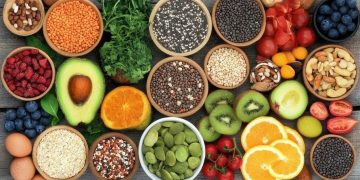
With increasing awareness of nutrient density—the concentration of vitamins, minerals, and other beneficial compounds in a given food—food scientists began to shift focus toward foods that provided more bang for the buck in terms of health benefits. This led to the popularity of superfoods—ingredients like blueberries, kale, salmon, and chia seeds—which are packed with essential nutrients and antioxidants.
While the traditional nutritional framework emphasized the importance of macronutrients and basic micronutrients, this new approach recognized the bioactive compounds that also contribute to health, such as polyphenols, flavonoids, and carotenoids. These compounds, often found in fruits, vegetables, and whole grains, have been shown to provide anti-inflammatory, antioxidant, and even anti-cancer properties.
Section 2: Beyond Macronutrients: Bioactive Compounds and Phytochemicals
The Role of Phytochemicals in Nutrition
In modern nutrition science, the bioactive compounds found in plants, known as phytochemicals, are being recognized for their profound impact on health. Phytochemicals are naturally occurring compounds that are not essential for basic nutrition but have been shown to enhance health by promoting antioxidant activity, reducing inflammation, and supporting immune function.
Some common phytochemicals include:
- Flavonoids: Found in fruits, vegetables, tea, and wine, flavonoids have antioxidant properties and may help reduce the risk of heart disease and cancer.
- Carotenoids: Beta-carotene, lutein, and zeaxanthin, found in colorful fruits and vegetables, are known for their role in supporting eye health and immune function.
- Glucosinolates: Present in cruciferous vegetables like broccoli and kale, glucosinolates are believed to have cancer-protective properties.
- Tannins: Found in tea, berries, and some legumes, tannins are known for their antimicrobial and anti-inflammatory properties.
These compounds are often not captured in traditional nutritional labeling, which focuses on macronutrient content. However, they are an important part of the holistic approach to nutrition, which looks at the broader health-promoting potential of foods.
Functional Foods: The New Frontier in Nutrition
The term functional foods has gained significant traction in recent years. These are foods that have been scientifically proven to have health benefits beyond basic nutrition. Functional foods may contain higher levels of specific nutrients or bioactive compounds that contribute to the prevention or management of certain health conditions.
Some examples of functional foods include:
- Fermented foods like kimchi, kefir, and yogurt, which are rich in probiotics that support gut health and immune function.
- Fortified foods like cereals enriched with vitamins (e.g., vitamin D) or minerals (e.g., iron), which help fill nutritional gaps in the diet.
- Omega-3-rich foods such as fatty fish, walnuts, and flaxseeds, which promote heart health and cognitive function.
These foods are not only nutritionally dense but also serve as tools to prevent or manage chronic diseases like cardiovascular disease, diabetes, and obesity. By incorporating functional foods into a regular diet, individuals can optimize their health and prevent nutrient deficiencies.
Section 3: Sustainable Nutrition: A New Dimension in Nutritional Value
Defining Sustainable Nutrition
As the global population grows and the environmental impact of food systems becomes more evident, sustainable nutrition has become an essential concept. Sustainable nutrition considers not only the health benefits of food but also its ecological footprint—how food production, transportation, and consumption affect the environment.
Key principles of sustainable nutrition include:
- Low-Impact Foods: Emphasizing plant-based foods like vegetables, legumes, and grains, which have a lower carbon footprint compared to animal-based products.
- Regenerative Agriculture: Supporting farming practices that restore soil health, enhance biodiversity, and sequester carbon, such as agroforestry and rotational grazing.
- Minimizing Food Waste: Reducing food waste at all stages of the food supply chain to minimize the environmental impact of wasted resources.
The nutritional value of ingredients is increasingly being measured not only by their contribution to human health but also by how sustainably they are produced. Foods that are grown using environmentally friendly methods, such as organic farming or regenerative agriculture, are now viewed as more nutritious in the context of sustainable diets.
The Environmental Impact of Animal Products
Animal-based products, while rich in protein, vitamins, and minerals, have a significant environmental cost. The production of meat and dairy contributes to greenhouse gas emissions, deforestation, and water pollution. As a result, nutritionists and environmental scientists are emphasizing the importance of shifting towards more plant-based diets and reducing reliance on animal products.
However, it is important to recognize that not all plant-based foods are created equal. While plant-based diets are generally more sustainable, certain foods, such as processed plant-based meat alternatives, may have high environmental costs depending on their production methods. As such, sustainable nutrition emphasizes a balanced approach, where local, seasonal, and minimally processed foods are prioritized.
The Impact of Sustainable Diets on Global Health
Shifting towards more sustainable diets not only benefits the environment but also improves global health outcomes. Diets rich in plant-based foods and low in animal products are associated with a lower risk of chronic diseases like obesity, heart disease, and certain cancers. Furthermore, sustainable diets contribute to food security by promoting the resilience of local food systems and reducing dependence on resource-intensive industrial agriculture.

Section 4: The Future of Nutritional Value: Personalized Nutrition and Technology
Personalized Nutrition: The Role of Genomics and Data
The future of nutrition is moving toward personalized diets that take into account an individual’s genetic makeup, lifestyle, and microbiome. Advances in nutrigenomics, the study of how genes affect our response to food, are enabling the development of personalized nutrition plans that optimize health outcomes based on individual genetic profiles.
For example, people with a specific gene variant may benefit from higher levels of certain nutrients, such as folate or vitamin D, while others may require more of a particular type of fat for optimal brain health. Personalized nutrition is expected to transform how we define the nutritional value of foods, moving from one-size-fits-all recommendations to tailored dietary plans that maximize health on a personal level.
Technology and Food Innovation
As technology advances, new methods of food production, such as lab-grown meats and precision fermentation, are emerging as potential solutions to meet the growing demand for sustainable and nutritious food. These innovations offer the potential to provide high-quality nutrition without the environmental impact associated with traditional farming practices.
In addition, food technology is enabling the development of nutrient-enhanced foods—ingredients that are biofortified with higher levels of vitamins and minerals through genetic modification or innovative agricultural techniques.
Conclusion: A New Era of Nutrition
The nutritional value of ingredients is no longer defined by a simple list of nutrients; it is shaped by a broader understanding of food’s impact on human health and the planet. From bioactive compounds and functional foods to the integration of sustainability and personalized nutrition, the way we define and perceive the nutritional worth of food is evolving.
As we continue to explore the intersections of health, environmental sustainability, and scientific innovation, the future of nutrition holds great promise. By adopting a more holistic and sustainable approach to food, we can not only improve individual health outcomes but also contribute to a more resilient and sustainable global food system.
This is the new definition of nutritional value: a multifaceted perspective that takes into account not only the nutrients found in food but also its broader impact on well-being and the planet.