









Introduction: The Emergence of Contrasting Flavors in Fine Dining
In the ever-evolving world of gastronomy, Michelin-starred restaurants continuously set the standard for culinary innovation, pushing boundaries and elevating dining to an art form. One of the most recent and intriguing trends to emerge within this elite culinary sphere is the use of contrasting flavors. This approach, which focuses on creating intense, sometimes jarring flavor contrasts, has gained popularity among top chefs as a way to craft memorable, dynamic, and emotionally impactful dining experiences.
The concept of contrasting flavors—pairing elements that are drastically different in taste, texture, or temperature—might seem counterintuitive at first, but in practice, it results in delightful surprises and complex layers that engage the senses in unique ways. Whether it’s the tension between sweet and savory, sour and salty, or even hot and cold, the goal of contrasting flavors is to provoke strong reactions, challenge expectations, and elevate the overall sensory experience of the meal.
In this article, we will explore the rise of contrasting flavors in the context of Michelin-starred cuisine, examining how this trend is being used to create unforgettable culinary experiences. We will also delve into the techniques employed by chefs, the cultural significance of flavor contrasts, and the potential for this approach to shape the future of fine dining.
The Science of Contrasting Flavors
To understand why contrasting flavors work so effectively, it’s important to first explore the science of taste and how we perceive flavor. Our sense of taste is governed by a complex interaction between our taste buds, olfactory senses, and psychological expectations. Flavor contrasts—when executed properly—can excite these senses by disrupting expectations and creating a more engaging eating experience.
1. Taste and the Five Basic Flavors
The human tongue can perceive five basic tastes: sweet, sour, salty, bitter, and umami. Each of these tastes evokes a unique response in the brain, and when paired together in unexpected ways, they can enhance and complement one another. For example:
- Sweet + Salty: Think of the popular combination of chocolate and sea salt. The richness of chocolate is heightened by the sharp, mineral contrast of salt, creating a more complex and satisfying flavor.
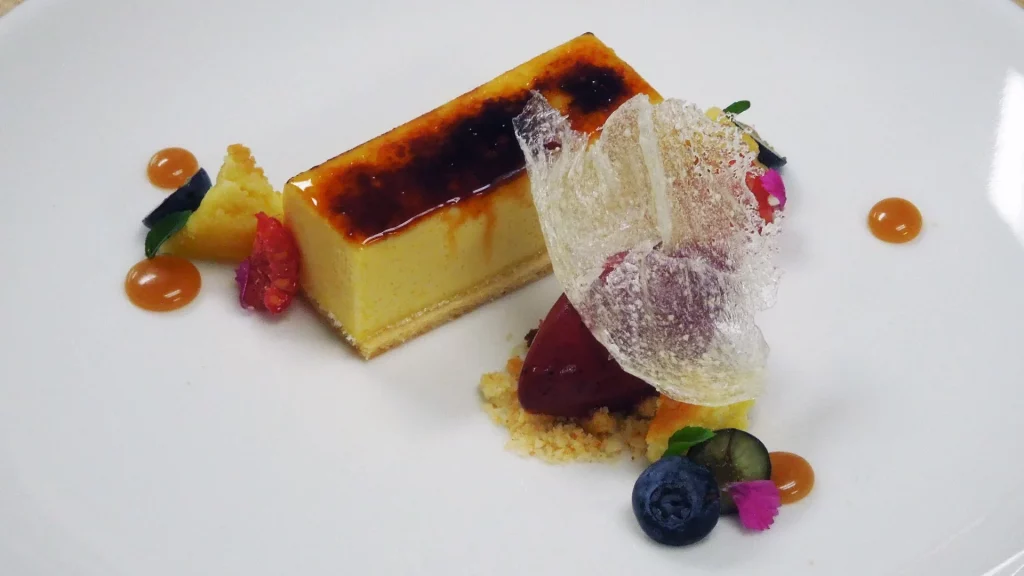
- Sour + Sweet: The tang of citrus fruits balances the sweetness of a dessert, creating a refreshing and palate-cleansing experience. This balance is often seen in dishes like lemon tarts or fruit-based salsas.
- Bitter + Sweet: The sharp bitterness of ingredients like coffee, cocoa, or arugula can bring out the sweetness in accompanying elements, providing an unexpected harmony.
By utilizing these basic flavors in contrast to one another, chefs can create multi-layered, exciting dining experiences that go beyond the simplicity of a single flavor profile.
2. Texture and Temperature Contrasts
In addition to flavor contrasts, the texture and temperature of a dish play a significant role in creating an unforgettable dining experience. Contrasting textures—such as the combination of a crispy exterior and a creamy interior—can add complexity and intrigue to a dish. Consider a crispy pork belly with a creamy apple purée, where the richness of the pork is balanced by the smooth, tart apple.
Similarly, temperature contrasts—such as pairing hot and cold elements—can provoke a strong sensory reaction. A common example is the combination of hot chocolate with a cold scoop of ice cream, where the heat of the liquid contrasts beautifully with the chill of the frozen treat, creating a dynamic interplay that delights both the mouth and the mind.
3. Breaking Culinary Expectations
Contrasting flavors also work by disrupting culinary norms. When diners expect a dish to adhere to a particular flavor profile or ingredient combination, introducing a bold contrast can generate surprise and intrigue. This departure from traditional pairings is a hallmark of Michelin-level cuisine, where chefs are celebrated for their ability to create dishes that challenge conventional flavor pairings and elevate familiar ingredients.
For example, the juxtaposition of smoky and sweet in a caramelized smoked pear dessert can transform what might otherwise be a simple fruit dish into a more sophisticated, memorable experience. Similarly, spicy and sweet combinations, such as chili-infused chocolate, play on the contrast between heat and sweetness to create an experience that engages multiple taste senses.
Michelin-Starred Chefs and the Mastery of Contrasting Flavors
The use of contrasting flavors is not a passing trend but rather a sophisticated technique employed by some of the most talented chefs in the world. Michelin-starred restaurants, known for their innovation and attention to detail, have embraced this approach to push the boundaries of what food can be. From fine dining to modern molecular gastronomy, the ability to marry contrasting elements is a signature of top-tier culinary artistry.
1. Chef René Redzepi and Noma’s Bold Contrasts
One of the most well-known proponents of contrasting flavors in modern cuisine is Chef René Redzepi of Noma in Copenhagen. Redzepi’s philosophy of local, seasonal, and wild ingredients often incorporates sharp contrasts to create unexpected and exciting dishes. For example, at Noma, guests might experience fermented vegetables paired with sweet, fresh fruits, or rich fish dishes complemented by sour, citrusy elements. This approach not only surprises diners but also redefines the relationship between contrasting ingredients.
2. Massimo Bottura and the Playful Use of Contrast
Chef Massimo Bottura of Osteria Francescana in Modena, Italy, is another prime example of how contrasting flavors can be used to create memorable dining experiences. Bottura’s playful and innovative approach to Italian cuisine often involves pairing ingredients that traditionally wouldn’t be seen together, such as sweet and salty or rich and acidic.
A famous example is Bottura’s dish “Oops! I Dropped the Lemon Tart,” where tart lemon cream is juxtaposed with a salty, crispy meringue. This contrast creates an experience that is unexpected, delightful, and thought-provoking—precisely the type of experience that has earned Osteria Francescana three Michelin stars.
3. Heston Blumenthal and Molecular Gastronomy
Heston Blumenthal, the pioneering chef behind The Fat Duck in the UK, is known for his use of molecular gastronomy to explore the scientific principles behind flavor. Blumenthal has created dishes that combine contrasting flavors in groundbreaking ways, often using techniques like spherification and liquid nitrogen to create a dramatic effect. His dish, “Sound of the Sea,” for example, pairs seafood with a sour apple foam and is served with an audio soundtrack of ocean sounds to enhance the experience.
Blumenthal’s ability to combine contrasting elements—whether flavor, texture, or temperature—is a testament to the innovative potential of modern fine dining and the ability of Michelin chefs to push the boundaries of taste.
The Cultural Significance of Contrasting Flavors
Beyond the realm of Michelin-star restaurants, the use of contrasting flavors also holds cultural significance. Throughout history, different cuisines have embraced contrasting elements to balance and complement each other. For instance:
- Asian cuisines, such as Thai and Vietnamese, often use sweet, sour, salty, and spicy combinations in dishes like som tam (green papaya salad) or pho.
- Mexican cuisine famously combines spicy and sweet elements, such as in the pairing of chili with chocolate or the inclusion of mango in spicy salsas.
- Middle Eastern dishes frequently combine sweet fruits with savory meats, like lamb with pomegranate or dates with grilled chicken, creating a beautiful balance of flavors.
These global culinary traditions highlight the universal appeal of contrasting flavors and how they can be used to evoke a range of emotions, from comfort to surprise to delight.
The Future of Contrasting Flavors in Fine Dining
As the trend of contrasting flavors continues to evolve, it’s likely that chefs will continue to experiment with even bolder combinations. The rise of molecular gastronomy, fermentation techniques, and hyper-local ingredients means that the possibilities for flavor contrasts are endless. We can expect to see more unexpected pairings, such as spicy-sour desserts, smoky-fruity dishes, and even the incorporation of technology to further challenge our expectations of taste.
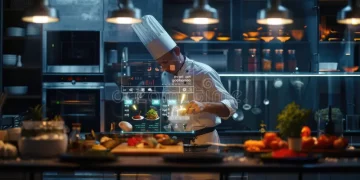
In the future, we may also see contrasting flavors become a more interactive experience, where diners are encouraged to participate in the creation or consumption of their dishes. For example, a dish could be served with a smoke-filled dome that, when lifted, reveals brightly colored fruits or spicy sauces, offering a dramatic and sensory-rich contrast.
Conclusion
The concept of contrasting flavors represents a new frontier in modern fine dining. By pairing ingredients that seem opposites—in terms of taste, texture, and temperature—chefs are able to craft innovative, memorable experiences that captivate the senses and challenge conventional culinary norms.
As Michelin-star chefs continue to embrace the artistry of contrasting flavors, the trend is likely to influence not only haute cuisine but also casual dining, home cooking, and even the future of food technology. Whether through the combination of sweet and salty, spicy and sour, or smoky and floral, the use of contrasts will continue to shape the way we experience food, inviting diners to engage with their meals in deeper and more exciting ways.