









Introduction: The Allure of Smoky and Floral Flavor Pairings
In the world of modern gastronomy, chefs and mixologists are constantly pushing the boundaries of flavor, creating unexpected yet harmonious combinations that captivate the senses. One such innovative pairing that has recently gained significant attention is the fusion of smoky and floral notes. The smoke, with its rich, earthy undertones, mingles perfectly with the delicate, aromatic quality of flowers like rose, lavender, and chamomile, offering a multi-layered experience that is as visually striking as it is flavorful.
This pairing is particularly prevalent in the realms of desserts and cocktails, where the complexity of smoke and the light, fragrant nature of flowers bring a sophisticated elegance to both sweet and savory creations. From smoked lavender panna cotta to rose-infused cocktails, these ingredients combine to create a distinctive sensory experience that tantalizes the nose, the eyes, and the taste buds.
In this article, we will explore the science and techniques behind the smoky-floral flavor profile, examining its cultural origins, its rise in modern kitchens and bars, and how chefs and bartenders are innovating with this captivating fusion. We will also take a closer look at popular smoky floral desserts and cocktail recipes, along with the methods used to infuse both smoke and floral notes into these culinary creations.
The Art and Science of Smoky-Floral Pairing
1. Understanding the Smoky Element
The term smoky in cooking typically refers to the infusion of smoke from various sources, such as wood, herbs, or spices, which imparts a deep, rich, and sometimes slightly bitter flavor. Smoke can be incorporated into food through various techniques, including:
- Wood Smoking: Using wood chips, charcoal, or flavored woods (e.g., hickory, applewood) to create aromatic smoke that infuses the food.
- Liquid Smoke: A more controlled method of introducing smoke into dishes through the use of smoked salts or liquid smoke products.
- Smoking Guns: A modern tool that allows for the direct infusion of smoke into dishes or drinks, providing an intense smoky flavor in a relatively short amount of time.
The smoky element itself is known for its complexity, often offering earthy, woody, and grilled notes that can balance out sweeter ingredients. When paired with floral elements, these bold flavors take on new dimensions, creating an intriguing contrast that elevates the dish or drink.
2. Floral Notes in Culinary Arts
Floral flavors are derived from various flowers that have been cultivated for their aromatic oils and fragrances. Popular flowers used in culinary creations include rose, lavender, chamomile, and violet. These flowers are prized for their delicate, sweet, and sometimes herbaceous qualities.
Floral notes can be incorporated in several ways:
- Infusions: Flowers can be steeped in liquids such as cream, milk, or syrup to infuse their delicate fragrance.
- Extracts: Floral extracts or oils are used to add concentrated floral notes to dishes and beverages.
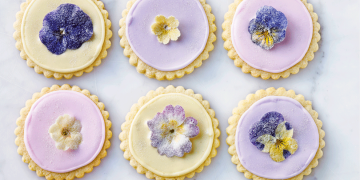
- Petals: Some flowers, like rose and violet, are used as garnishes or ingredients, providing both visual appeal and a mild flavor.
Floral flavors tend to evoke feelings of lightness and refinement, and they pair particularly well with creamy or sugary elements like chocolates, custards, and cocktail syrups.
The Fusion of Smoky and Floral: A Sensory Adventure
Combining smoke and floral notes in food and beverages creates a multisensory experience that appeals to not only the taste buds but also the sense of smell and sight. The contrast between the heaviness of the smoky flavor and the delicate, fragrant notes of the floral elements creates a harmonious and dynamic composition. The earthiness of smoke provides depth, while the floral elements add a lightness and complexity that balances the dish or drink.
1. Floral-Infused Smoky Desserts
Desserts are one of the most common places where this smoky-floral combination is explored. The creamy, often sweet nature of desserts provides an ideal canvas for the infusion of smoke, while the floral elements add a layer of elegance and refinement.
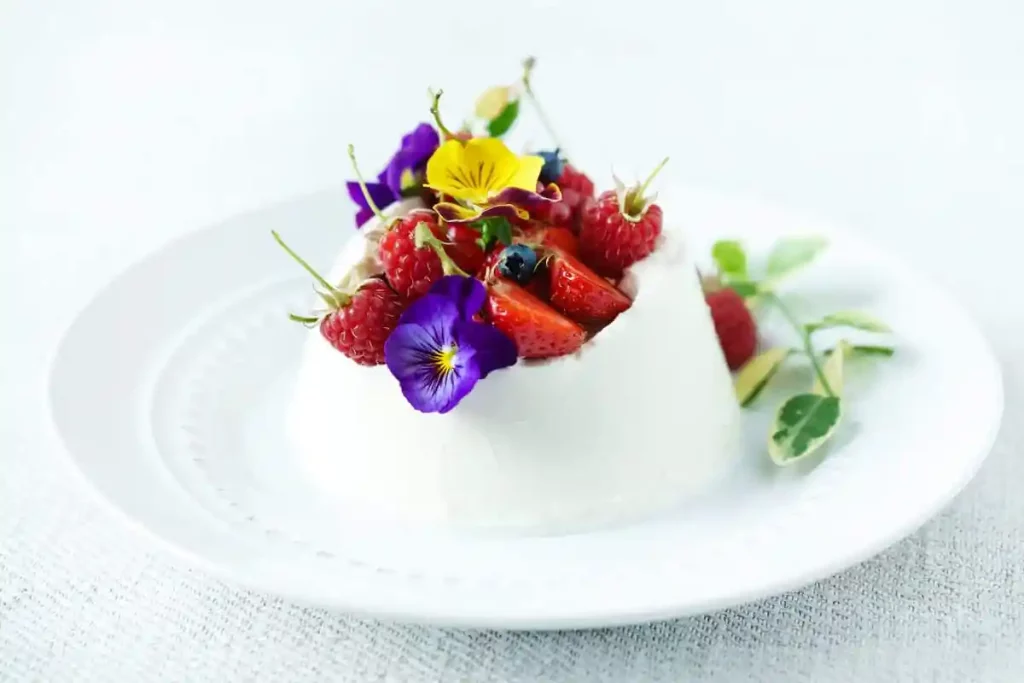
One of the most popular techniques for infusing smoke into desserts is using a smoking gun. The smoking gun allows chefs to infuse a dessert with a subtle smoky flavor without overpowering the other flavors. For example, a lavender-smoked panna cotta features a smoky layer on top of a velvety lavender-infused custard, creating a dessert that is both rich and refreshing.
Another dessert that benefits from the smoky-floral fusion is the rose and smoke chocolate mousse. The rose adds a delicate floral fragrance, while the smoke rounds out the flavor profile, making the dessert more complex and intriguing. The richness of chocolate works well with both floral notes and the depth of smoke, creating a dessert that feels both luxurious and bold.
Popular Smoky Floral Desserts:
- Smoked Lavender Crème Brûlée: A twist on the classic crème brûlée, this dessert infuses lavender with smoke, creating a smoky floral custard topped with caramelized sugar.
- Rose Smoked Cheesecake: A silky cheesecake with a subtle rosewater flavor and a smoky finish for added depth.
- Smoked Honey Lavender Tart: A floral-infused tart with a hint of smoke and honey, creating a sophisticated dessert with complex flavor layers.
2. Floral-Infused Smoky Cocktails
In the world of cocktails, the smoky-floral fusion has become a trend embraced by mixologists seeking to create more sophisticated, multi-layered drinks. Much like in food, smoke and floral elements complement each other by providing a balance between intensity and delicacy.
A popular choice is to smoke the glass before pouring a floral-infused cocktail, such as a smoked lavender gin and tonic or a rose smoked old-fashioned. The smoke infuses the drink with an earthy aroma, while the lavender or rose provides a bright, floral contrast.
A smoked margarita with lavender syrup is another creative example of the smoky-floral pairing. The smoke enhances the tequila’s complexity, while the lavender syrup adds a subtle sweetness that perfectly complements the drink’s lime acidity.
Popular Smoky Floral Cocktails:
- Smoked Lavender Martini: A smoky twist on the classic martini, infused with a hint of lavender to provide a refreshing and aromatic experience.
- Rose and Smoked Bourbon Sour: Rosewater and a smoky bourbon combine for a drink that is bold, floral, and refined.
- Smoked Gin and Tonic with Lavender: A cocktail where the smokiness of the gin is balanced by the fragrant lavender syrup, creating a drink that is both floral and smoky in perfect harmony.
Techniques for Achieving Smoky-Floral Fusion
1. Using a Smoking Gun in Cocktails and Desserts
One of the most effective and modern tools for adding smoke to food and beverages is the smoking gun. This device allows bartenders and chefs to introduce smoke into a drink or dish at the table, creating an interactive experience for guests. By using smoking chips made of wood, herbs, or even tea, the smoking gun can impart a variety of smoky flavors that pair beautifully with floral infusions.
For desserts, a smoked rosewater panna cotta can be infused with smoke just before serving, ensuring the smoke maintains a subtle presence without overwhelming the dish. In cocktails, smoking the glass before pouring a lavender martini adds an extra dimension to the drink and allows the floral aromas to mingle with the smoky scent.
2. Infusing Floral Elements
For the floral infusion aspect, chefs and mixologists often use flower syrups, petals, or extracts. Lavender and rose are the most commonly used, but other flowers like chamomile, violet, and hibiscus also provide unique floral notes.
- Infused syrups can be used in cocktails and desserts, or flower petals can be added directly for visual appeal and aromatic presence.
- Floral extracts offer a more concentrated flavor and are often used sparingly to enhance a dish or drink without overpowering it.
Conclusion: A Trend with Staying Power
The combination of smoky and floral elements represents a beautiful synthesis of bold and delicate, earthy and fragrant flavors. This pairing has captured the imagination of chefs and mixologists around the world, offering a new avenue for creative culinary expression.
From smoked lavender panna cotta to rose-infused cocktails, the smoky-floral fusion is not just a passing trend; it’s a culinary movement that continues to captivate food lovers and those who seek out novel dining experiences. As the world of food and drink continues to evolve, we can expect this sophisticated, multisensory combination to remain an essential component of contemporary gastronomy.