








In recent years, the trend of product traceability has gained significant momentum, particularly within the high-end food market. Consumers today are increasingly seeking transparency regarding where and how their food is produced. This demand for food traceability reflects a shift in consumer behavior that emphasizes quality, sustainability, and authenticity. The premium food market, in particular, has seen a surge in interest for products that can trace their origins, from farm to table, offering a direct connection between the consumer and the food’s source.
This article will explore the growing importance of product traceability in the food industry, with a focus on its significance in the luxury food market. We will delve into the reasons behind this growing demand, the challenges and opportunities associated with traceability, and the impact of this trend on food producers, brands, and consumers. Additionally, we will examine how traceability practices are reshaping the way premium food products are marketed, sold, and perceived.
1. The Rise of Traceability in the Food Industry
The practice of traceability in food production refers to the ability to trace and verify the journey of a product from its source to its final destination. This can include details on where ingredients are grown, harvested, processed, and packaged. For consumers, traceability offers a level of transparency that ensures the food they consume aligns with their values and expectations. This trend has been especially prominent in premium food products, where consumers are not only paying for the taste and quality of the product but also for its story, origins, and production practices.
1.1 Why Consumers are Demanding Traceability
Consumers today are more educated and conscientious than ever before. With increased access to information and the growing influence of social media, consumers have become more aware of the impact of their purchasing decisions on the environment, society, and local economies. As a result, they are demanding higher levels of transparency from brands and producers, particularly when it comes to the food they consume.
Key drivers for this demand include:
- Health and Safety: Consumers are more concerned about food safety, especially in the wake of foodborne illness outbreaks and contamination scandals. Traceability systems can provide assurance that the food has been handled and produced under safe and hygienic conditions.
- Sustainability: Environmental awareness is at an all-time high. Consumers want to know if the food they buy is ethically sourced, produced with minimal environmental impact, and aligned with sustainable farming practices.
- Ethical Production: The modern consumer is also increasingly interested in ensuring that the workers who produce their food are treated fairly, paid a living wage, and work in safe conditions.
- Authenticity and Quality: In the luxury food market, authenticity is crucial. Consumers are willing to pay a premium for products that come with a verifiable story of craftsmanship and origin.
Traceability provides transparency in all these areas, allowing consumers to make informed decisions that align with their values.
2. The Premium Food Market and the Demand for Transparency
The high-end food market has been at the forefront of this trend, where consumers expect not only the finest quality ingredients but also detailed information about their sourcing and production. Premium food products often come with a higher price tag, and for consumers willing to pay a premium, quality and authenticity are paramount.
2.1 High-End Food Products and Their Value Proposition
Luxury food products, such as artisanal cheeses, gourmet chocolates, sustainable seafood, and organic wines, are prized not just for their superior taste but also for their rich history and craftsmanship. The value of these products is often enhanced by the story behind their creation—the farmers who grew the ingredients, the artisans who crafted the product, and the environment in which it was produced.
For these products, traceability plays a key role in establishing their authenticity. When a consumer purchases a bottle of organic, biodynamic wine from a small vineyard in France’s Champagne region, for example, they are not just buying the liquid in the bottle but the entire narrative and tradition behind it. Traceability allows these products to tell their story—how the grapes were harvested, how the wine was aged, and how it aligns with the natural terroir of the region.
In the luxury food market, where quality is synonymous with exclusivity and heritage, consumers are willing to pay a premium for foods with verifiable origins, especially when they are assured that the product has been sourced sustainably and produced ethically.
2.2 How Traceability Enhances Brand Perception
For luxury food brands, traceability provides an opportunity to differentiate themselves in an increasingly crowded marketplace. Brands that can offer consumers a transparent view of their supply chain, from field to plate, are seen as trustworthy and reliable. This not only strengthens the brand’s reputation but also builds long-term customer loyalty.
Brands such as Ritual Chocolate, Patagonia Provisions, and Whole Foods Market have effectively used traceability to enhance their market positioning. Ritual Chocolate, for instance, traces the cocoa beans used in their products back to individual farms in Peru and Ecuador, where they are ethically sourced and processed. This level of transparency reassures consumers that their purchase supports sustainable and ethical business practices.
3. Technological Advances in Food Traceability
Advancements in technology have made it easier than ever to implement and track food traceability systems. The use of technologies like blockchain, QR codes, and GPS tracking has revolutionized the ability to monitor and authenticate food production and sourcing.
3.1 Blockchain Technology: A Game Changer for Traceability
Blockchain is a decentralized and secure digital ledger system that enables transparent tracking of products throughout the supply chain. This technology is particularly useful in the food industry because it allows all parties involved in production, processing, and distribution to record their activities in an immutable way. For consumers, blockchain provides a simple, reliable way to verify the origin of the food they purchase.
For example, IBM’s Food Trust Network is a blockchain-based platform that allows food producers and retailers to share verified data about the sourcing and handling of food products. This ensures that consumers can trace a product back to its farm of origin and verify that it meets all necessary standards for quality, safety, and sustainability.
3.2 The Role of QR Codes and Mobile Apps
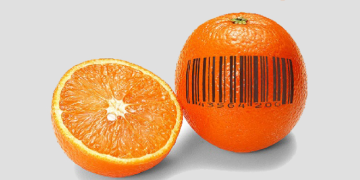
Another popular technology is the use of QR codes and mobile applications that allow consumers to easily scan and access product information. When scanning a QR code on a food label, consumers can instantly access details about the product’s origin, production methods, and supply chain. This level of accessibility and transparency is especially important in the premium food market, where consumers are highly interested in quality and provenance.
Apps like Trace One and FoodLogiQ are helping food producers and retailers implement traceability systems that enable quick and easy access to data about a product’s journey. By integrating these technologies into their marketing and product labeling, high-end food brands can build consumer trust and increase brand loyalty.
4. Challenges of Implementing Traceability in the Premium Food Market
Despite the benefits, implementing traceability systems in the premium food market does come with challenges. The complexities of the global food supply chain, the diverse range of producers involved, and the cost of adopting new technologies can pose significant hurdles for food brands and producers.
4.1 Complexity of Global Supply Chains
Food supply chains are often long and complex, involving many stages of production, processing, and distribution. For example, a product like chocolate can have a supply chain that includes cocoa farmers in West Africa, bean processors in Latin America, and chocolate makers in Europe. Coordinating these stages and ensuring transparency at every step requires significant effort and infrastructure.
For many small producers, implementing a comprehensive traceability system may seem cost-prohibitive, particularly when resources are limited. However, as demand for traceable foods grows, there is increasing pressure on producers to adopt these systems.
4.2 Costs and Resources for Small Producers
For smaller producers, the cost of implementing traceability technologies like blockchain or mobile apps can be a significant barrier. While large food companies may have the resources to integrate these technologies, smaller artisanal producers or local farmers may face financial challenges in adopting new systems. However, collaborative initiatives and government programs are helping to address these challenges, with some countries offering subsidies or assistance to small-scale producers who want to incorporate traceability into their operations.
5. The Future of Food Traceability in the Luxury Market
The future of food traceability in the premium market is promising. As consumers continue to prioritize quality, sustainability, and transparency, traceability will only become more critical in shaping the future of the food industry.
5.1 Increased Consumer Education and Demand
As consumers become more educated about the benefits of traceability, their demand for transparent food labeling and sourcing practices will only grow. Premium food brands that fail to adopt traceability may find themselves falling behind competitors that can offer greater transparency.
5.2 Enhanced Regulatory Frameworks
Governments and international organizations are increasingly focusing on the importance of food traceability in maintaining food safety and quality. With stricter regulations on food labeling and sourcing, we can expect to see more governments requiring traceability practices in the food sector, particularly for high-end food products that claim to be sustainable, organic, or ethically produced.
Conclusion: Embracing the Future of Traceable Food
The demand for traceable foods in the high-end food market represents a powerful shift in consumer preferences. As consumers continue to prioritize transparency, sustainability, and quality, the premium food industry must evolve to meet these expectations. By embracing new technologies and adapting to the changing landscape, food producers and brands can position themselves for success in an increasingly demanding and conscientious marketplace. The future of food will be traceable, authentic, and transparent—a win for both producers and consumers alike.