









In recent years, there has been a growing trend toward the use of Geographical Indication (GI) products in the food industry. These products, which are marked by a specific geographic origin, carry not only a distinctive quality but also a cultural and historical heritage. As consumers increasingly prioritize quality, authenticity, and sustainability, the use of GI labels on food products has surged, creating new opportunities for both producers and markets worldwide.
This article will explore the concept of Geographical Indication products, their growing prominence in the food industry, and the economic, cultural, and environmental benefits they bring. We will also discuss how GIs influence consumer behavior, the protection of traditional food practices, and the global dynamics of food trade.
1. Understanding Geographical Indication (GI) Products
A Geographical Indication (GI) is a name or sign used on products that have a specific geographic origin and possess qualities or a reputation due to that origin. GI products are commonly associated with agricultural products, foods, and beverages. The protection of GI products is governed by international agreements and national laws, such as the World Trade Organization’s (WTO) Trade-Related Aspects of Intellectual Property Rights (TRIPS) and regulations within the European Union (EU) and China.
1.1 The Importance of Geographical Indication Labels
The GI label serves as an important tool for ensuring the authenticity and quality of a product. For consumers, it guarantees that the product they are purchasing has been produced in a specific region and adheres to traditional production methods. For producers, a GI designation provides legal protection against counterfeiting, ensures fair competition, and allows for premium pricing due to the product’s unique characteristics.
There are two primary types of Geographical Indication labels:
- Protected Designation of Origin (PDO): This label is granted to products that are produced, processed, and prepared in a specific region. All steps of production must take place in the designated area.
- Protected Geographical Indication (PGI): This label applies to products that are produced in a specific region but do not necessarily require all production stages to take place within that region.
In addition to PDO and PGI, some regions may also use terms such as Traditional Speciality Guaranteed (TSG), which indicates a product’s traditional recipe or preparation method but not its geographic origin.
2. The Growing Popularity of GI Products
In recent years, the number of products bearing geographical indications has increased dramatically. This rise is driven by several factors, including heightened consumer awareness about food provenance, growing interest in sustainability, and a desire to support local producers. Additionally, the increasing global trade in food products has created a demand for standardized methods of authenticity verification.
2.1 Consumer Trends Toward Authenticity and Quality
As consumers become more conscientious about the quality and origins of their food, the demand for authentic, traceable, and sustainably produced products has grown. Geographical indications provide consumers with the assurance that they are purchasing a product that has unique qualities derived from a specific region’s traditions, culture, and environment.
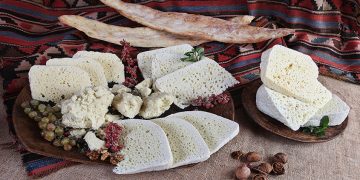
For example, Parmigiano Reggiano, the famous Italian cheese, is produced exclusively in certain provinces in Emilia-Romagna and Parma, where centuries-old methods of cheese-making are followed. This authenticity is a major selling point for consumers, who associate it with the product’s rich history and exceptional taste.
Moreover, GI labels help preserve traditional farming methods and local food cultures, which can be lost in an age of mass production. These products often embody local heritage and reflect the terroir of the region, which makes them more appealing to consumers seeking to connect with the land and culture behind their food.
2.2 Protecting Regional Foods and Traditional Practices
Geographical indications have proven crucial in protecting the integrity of traditional food products from counterfeiting and misuse. For instance, the Champagne region of France has long been associated with the production of sparkling wine, but the term “Champagne” is now protected by GI law. Only wines produced in the Champagne region using specific methods can legally be called “Champagne.” This protection ensures that the region’s long-standing reputation for quality is not diluted by subpar imitations.
Similarly, in Italy, the Prosciutto di Parma (Parma Ham) and Aceto Balsamico di Modena (Balsamic Vinegar of Modena) are highly protected GI products. These items are not only culinary treasures but also important components of local economies and identities.
3. Economic Impact of Geographical Indication Products
Geographical indications are not just beneficial for consumers and producers; they also play an important role in the global economy. They can help drive economic growth in rural regions, where agriculture and traditional food production are often a major part of the economy. The protection of GI products can increase local employment in areas such as farming, processing, and tourism.
3.1 Boosting Local Economies and Job Creation
In regions where GI products are produced, the labeling and marketing of these products have created new economic opportunities. For example, in Jaén, Spain, the production of olive oil with the Sierra de Cazorla GI label has helped local farmers command higher prices for their olive oil. This has led to the expansion of local businesses, as well as tourism opportunities related to olive oil production, such as guided tours of olive groves and tastings.
Moreover, GI products contribute to job creation in sectors such as production, marketing, and distribution. The recognition of local specialties can also attract investments in infrastructure and tourism, as consumers seek to experience the regions where these products are made.
3.2 Premium Pricing and Market Access
One of the key economic advantages of GI products is their ability to command premium prices in both domestic and international markets. Consumers are often willing to pay more for certified products because of the assurance of quality, authenticity, and sustainability. For example, a bottle of extra virgin olive oil from Tuscany or Andalusia can fetch a much higher price compared to generic olive oils that do not carry a GI label.
In addition to premium pricing, GI products benefit from enhanced market access, particularly in international trade. International trade agreements often include provisions for the protection of GI products, which allow producers to access foreign markets without the risk of counterfeiting or misuse of their product names.

4. Environmental Benefits of Geographical Indication Products
The production of GI products is often intertwined with the preservation of local ecosystems and the promotion of sustainable farming practices. Since many GI products are linked to specific geographical regions, their production is often subject to strict environmental regulations that ensure the conservation of biodiversity and the sustainability of farming practices.
4.1 Promoting Sustainable Agricultural Practices
GI products are often produced using traditional, sustainable methods that have minimal environmental impact. For example, the production of Kalamata olives in Greece, Manchego cheese in Spain, and Camembert cheese in France involves farming practices that preserve local flora and fauna, reduce the need for synthetic fertilizers, and avoid the overexploitation of natural resources.
These sustainable farming practices also contribute to the maintenance of cultural landscapes and the protection of local biodiversity, as many GI products are tied to specific natural habitats that are carefully managed by local farmers.
4.2 Reducing Carbon Footprints
GI products often have a lower carbon footprint compared to mass-produced, globally traded goods. Because these products are typically grown and processed in smaller, local areas, their transportation distance is shorter, resulting in fewer carbon emissions. Additionally, many GI producers focus on organic and low-impact farming techniques, further reducing their environmental impact.
5. The Future of Geographical Indication Products
As the demand for authentic and sustainable food products continues to rise, the future of Geographical Indication (GI) products looks promising. With growing consumer interest in the provenance and environmental impact of food, GI products are expected to become increasingly important in global trade and consumer markets.
5.1 Expanding the Reach of GI Products
The global expansion of GI recognition is already underway. Countries such as China, India, and South America are starting to recognize the economic, social, and environmental benefits of GI protection for their indigenous food products. This trend is expected to accelerate, creating new opportunities for traditional food products in international markets.
5.2 Preserving Cultural Heritage
Beyond their economic benefits, GI products play an essential role in preserving cultural heritage. As global food trends shift toward sustainability, the use of GI labels provides a way to honor traditions, maintain quality, and celebrate regional identities. These products offer consumers a direct connection to the cultural and environmental heritage of a specific region, enhancing their appreciation for the diversity of the world’s food cultures.
Conclusion: The Value of Geographical Indication Products
The rise of Geographical Indication (GI) products marks an important shift in the global food industry, as consumers increasingly seek authenticity, quality, and sustainability in the products they purchase. By protecting traditional food practices and offering a guarantee of authenticity, GIs not only create economic opportunities for local producers but also help to preserve cultural heritage and promote environmental sustainability.
As the demand for Geographically Indicated foods grows, it is clear that these products will continue to play a vital role in the future of food trade, culinary exploration, and the global appreciation of traditional food cultures.