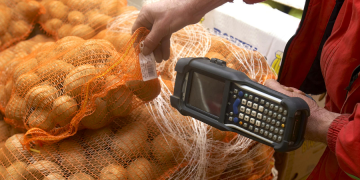










In recent years, food traceability has become a hot topic among consumers and chefs alike. As the culinary world continues to evolve, there has been a noticeable shift toward understanding the origins of ingredients—not just for ethical reasons, but for their impact on flavor. Consumers are increasingly demanding to know where their food comes from, and chefs are embracing the challenge of sourcing the finest ingredients from specific regions, farms, or even specific plots of land. This movement, known as ingredient traceability, is revolutionizing the way we think about food, its sustainability, and its flavors.
But what exactly does ingredient traceability mean, and how does it affect the culinary landscape? This article will explore the factors driving this growing interest, how traceability shapes the flavors of food, and why both chefs and consumers are increasingly prioritizing the origins of the ingredients on their plates.
1. The Rise of Food Traceability: A Shift Towards Transparency
At its core, food traceability refers to the ability to trace and track the journey of an ingredient—from its origin to the consumer’s plate. This involves knowing where the food was grown, how it was harvested, and who produced it. Traceability has always been important for health and safety reasons, but the modern food movement has expanded its role beyond basic safety concerns to include the flavor profiles, quality of food, and its environmental impact.
1.1 The Ethical and Environmental Considerations
Consumers today are more environmentally conscious than ever. With growing concerns about climate change, deforestation, food waste, and exploitation of workers, there has been a surge in demand for sustainable and ethically sourced ingredients. Traceability offers a way to connect with food on a deeper level, ensuring that it is produced in an ethical, environmentally responsible manner.
For instance, consumers might be more inclined to choose organically grown produce or fair-trade certified products if they can trace the supply chain and verify the claims made by the producers. This interest in sustainability is not just about avoiding harmful practices—it’s also about celebrating the way food is grown and understanding the local ecosystems that nurture these ingredients.
1.2 The Importance of Flavor in Sourcing
While environmental and ethical concerns are vital, the growing focus on food traceability is also about discovering and exploring flavors. In the culinary world, sourcing ingredients from specific regions and farms has long been understood to affect the taste and quality of food. More and more chefs are recognizing the importance of terroir—the concept that the environment where food is grown, including soil quality, climate, and geography, directly impacts its flavor.
For example, the Padrón peppers from Galicia, Spain, are famous for their distinctive flavor. These peppers, grown in the rich, coastal soil, have a unique flavor profile that can vary from sweet to slightly spicy depending on the specific plot of land. Similarly, Kobe beef is prized for its marbling and buttery taste, a direct result of the specific farming techniques and geographic conditions under which the cattle are raised.
2. The Role of Traceability in Enhancing Culinary Creativity
For chefs, understanding the origins of their ingredients is an important tool for enhancing their creative expression. Knowing where ingredients come from, how they were cultivated, and the local culinary traditions surrounding them allows chefs to better appreciate the true potential of each ingredient.
2.1 Rediscovery of Regional Ingredients
Many chefs have begun to focus on reviving traditional and local ingredients that might otherwise be overlooked in favor of more commonly sourced items. These ingredients often come with a rich history, and when chefs incorporate them into modern dishes, they are not just creating a meal—they are telling a story.
For example, the Oyster Mushrooms of Italy’s Piedmont region are known for their delicate flavor and tender texture. By working directly with local producers who grow these mushrooms using traditional farming methods, chefs can bring a distinct sense of place to their dishes. Similarly, chefs have embraced heritage breeds of animals—such as the Tamworth pig or Red Poll cattle—because their meat has a richer, more complex flavor compared to more industrially raised livestock.
By integrating these rare, locally sourced ingredients into their menus, chefs are not only preserving local food traditions but also providing diners with a direct taste of the land. This practice also allows chefs to experiment with new textures, flavors, and pairing possibilities that would be impossible with mass-produced ingredients.
2.2 Elevating the Dining Experience
For today’s food enthusiasts and gourmets, dining has become an immersive experience that goes far beyond simply eating. Consumers now expect food to be not just tasty but also an adventure for the senses. Ingredient traceability allows chefs to craft narratives around the ingredients they use, creating a deeper connection between the diner and the dish.
Take, for example, slow food movements that focus on sourcing ingredients from small, family-owned farms or local producers. When diners are made aware of the origin of the food they are eating, it creates a new level of appreciation for the meal. This is why many restaurants are opting to showcase where their ingredients come from, not just the producers but also the stories behind those ingredients.
3. How Technology is Revolutionizing Ingredient Traceability
In today’s digital age, blockchain technology, traceability apps, and QR codes are revolutionizing how we trace the origin of food. These innovations allow consumers and chefs to access real-time information about their ingredients, providing a level of transparency that was previously unimaginable.
3.1 Blockchain and Transparency
Blockchain technology is being adopted by many food companies to increase transparency in the food supply chain. By creating an immutable, decentralized ledger, blockchain allows consumers to trace every step in the journey of their food, from farm to table. For instance, a consumer buying a jar of honey can scan a QR code and trace the bees’ hive location, the harvest season, and even the methods used by the beekeeper.
This traceability not only helps to verify ethical sourcing but also assures consumers about the quality and freshness of the ingredients they purchase.
3.2 Smart Labels and QR Codes
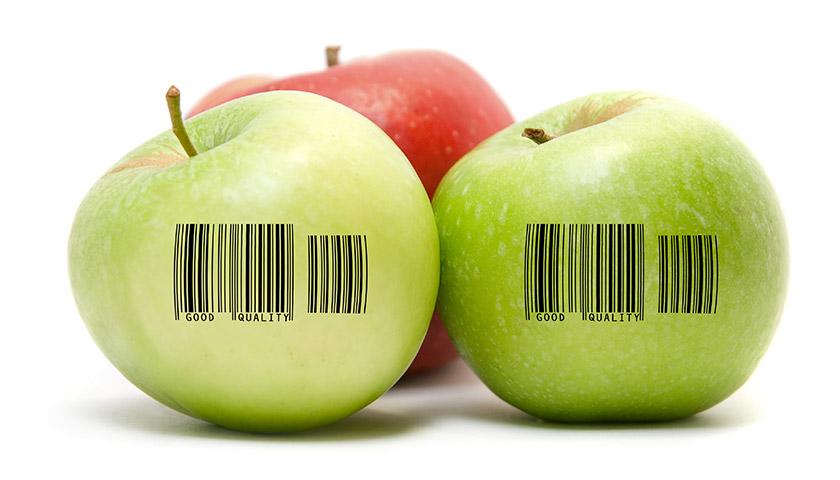
Another growing trend is the use of smart labels and QR codes on food packaging. These codes can link consumers to websites, apps, or databases that provide detailed information about the origin of the ingredients. Some high-end restaurants and grocery stores have already begun to integrate this system into their offerings, allowing customers to easily scan their food and learn about its journey—from farm to fork.
4. The Future of Food Traceability: What Lies Ahead?
As the demand for ethically sourced, sustainable, and flavorful ingredients grows, food traceability will continue to play a crucial role in shaping both the culinary and consumer landscapes. The ability to trace ingredients back to their source will not only help chefs craft more exciting, authentic dishes, but also provide consumers with greater confidence in their food choices.
4.1 The Rise of Local Food Movements
There is an increasing desire to support local farmers and small-scale food producers, and this trend will likely continue to grow. As people become more aware of the environmental impact of food production and transportation, local sourcing and seasonal eating will take center stage.
4.2 Personalized Culinary Experiences
In the future, it is possible that the focus on ingredient traceability will lead to even more personalized culinary experiences. Consumers will likely have access to more tailored dining options that reflect their preferences and ethical values. Whether they are looking for sustainably sourced seafood, organically grown vegetables, or grass-fed meats, they will be able to access this information at the touch of a button.
5. Conclusion: Embracing the Future of Food with Traceable Origins
The movement towards ingredient traceability is not just about knowing where your food comes from—it’s about deepening the connection between the food, the land, and the people who grow and harvest it. For chefs, it’s an opportunity to enhance their creativity and craft more authentic and meaningful dishes. For consumers, it’s a chance to make informed decisions about the food they eat, based on values such as sustainability, ethical sourcing, and quality.
As the food industry continues to evolve, one thing is clear: ingredient traceability is no longer a passing trend—it’s the future of food, one that celebrates flavor, heritage, and the stories behind every bite.