









Olive oil, a staple of Mediterranean cuisine, is celebrated not only for its health benefits but also for its complexity and diversity of flavor. Whether it is used in a simple salad dressing, drizzled over grilled vegetables, or incorporated into complex dishes, olive oil brings unique character to food. However, few people are aware that olive oil’s flavor profile can vary significantly depending on the region in which the olives are grown. The influence of climate, soil composition, olive cultivar, and harvest methods all contribute to the unique flavors of olive oil produced in different parts of the world. This article explores how olive oil’s flavor varies across different geographical regions, the factors behind these differences, and how to properly appreciate the nuances of regional olive oils.
1. Understanding the Basics of Olive Oil
Before delving into the regional differences in olive oil, it’s important to understand what makes olive oil unique. Olive oil is derived from the fruit of the olive tree, which has been cultivated for thousands of years, particularly around the Mediterranean Basin. There are several types of olive oil, with extra virgin olive oil (EVOO) being the highest grade due to its low acidity and unrefined nature. EVOO is made by cold-pressing fresh olives and retaining all of the natural flavors, aromas, and nutrients found in the fruit.
1.1 Factors Affecting Olive Oil Flavor
The flavor of olive oil is influenced by multiple factors, some of which are:
- Olive Cultivar: Different varieties of olives produce oils with varying taste profiles. For instance, the Picual olive, grown primarily in Spain, is known for its peppery and robust flavor, while the Arbequina olive, also from Spain, is milder and fruitier.
- Climate and Geography: Olive trees grown in warmer, sunnier climates tend to produce oils with bolder, more intense flavors, while those grown in cooler or coastal regions may have softer, more delicate oils. The terroir, or environmental conditions, plays a key role in determining the chemical composition of the oil, affecting both its taste and aroma.
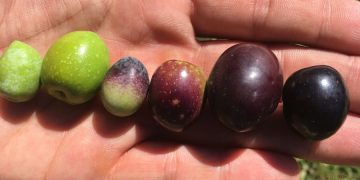
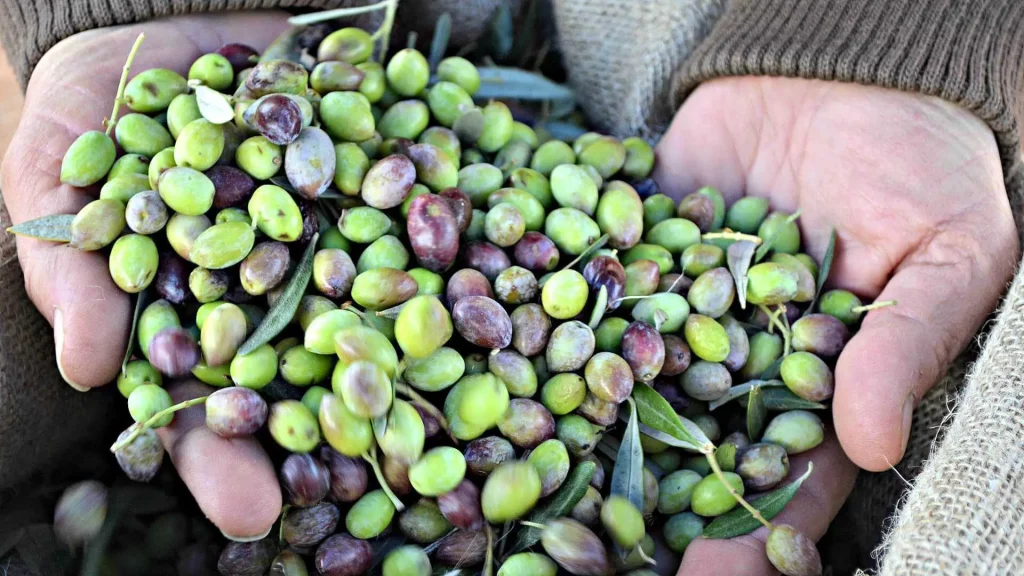
- Harvesting Methods: Olive oil flavor can also depend on how the olives are harvested. Early harvests tend to produce more bitter and peppery oils, while olives picked later in the season yield oils that are milder and fruity.
- Processing Techniques: How the olives are processed can also have an impact on flavor. The traditional cold-pressing method preserves the natural flavors, while modern methods like hot pressing can result in a more neutral or less complex flavor profile.
2. Regional Differences in Olive Oil Flavor
Now that we have a basic understanding of how olive oil is produced, let’s explore the distinctive flavors found in olive oils from different parts of the world. Each region’s unique combination of climate, soil, and olive varieties gives rise to a distinctive olive oil flavor profile.
2.1 Spain: Bold, Robust, and Full of Character
Spain is the largest producer of olive oil globally, and its oils are known for their intensity and robustness. Spanish olive oils often have a grassier, peppery, and sometimes bitter taste, with varying levels of fruitiness. The country’s top olive-growing regions include Andalusia, Catalonia, and Castile-La Mancha.
- Picual: This is the most popular olive variety in Spain and produces a strong, peppery olive oil with a distinct bitter edge. The oil is often used in both traditional Spanish cuisine and in salads or as a dipping oil.
- Arbequina: In contrast, Arbequina olives, often grown in Catalonia, produce a much sweeter, milder, and fruitier olive oil with notes of almonds and apples.
- Hojiblanca: Another widely grown variety, Hojiblanca yields an oil with a well-balanced flavor, often described as fruity with a slight spiciness.
2.2 Italy: A Symphony of Delicate, Fruity, and Herbaceous Notes
Italy is renowned for its extra virgin olive oil, and its oils are often associated with delicate yet complex flavors. Italian olive oils vary depending on the region and the olive cultivars used, but they are generally known for their fruitiness, herbaceous notes, and subtle spiciness.
- Toscana (Tuscany): Olive oils from Tuscany are often described as green and fruity, with distinct grassy and almond notes. The oil from this region is typically medium-bodied, with a bitter finish and a peppery kick.
- Puglia: In southern Italy, particularly in Puglia, olive oils are known for their milder, more floral characteristics. They often have a sweet flavor profile with hints of tomato and artichoke.
- Sicily: Olive oils from Sicily are known for their robust and spicy flavor. The oil often has a fruity taste, with a strong note of green apple and a peppery finish.
2.3 Greece: Herbaceous, Fruity, and Smooth
Greek olive oils are often celebrated for their herbaceous, smooth, and mild flavor. The country is home to the Koroneiki olive, one of the most well-regarded cultivars for producing high-quality olive oil. Greek olive oil is typically characterized by its grassy aroma and green flavor, with subtle hints of apple, citrus, and almonds.
- Crete: Olive oil from the island of Crete is known for its fruity, smooth, and mild flavor, with a slightly nutty aftertaste. The island’s dry climate and high altitude contribute to the bold yet elegant characteristics of Cretan olive oils.
- Peloponnese: Oils from this region are often fresh, herbaceous, and green, with notes of olive leaf and a slightly bitter finish.
2.4 Tunisia: Mild and Delicate with Fruity and Nutty Notes
Tunisia, the largest producer of olive oil in Africa, is known for producing a milder, fruitier olive oil. Tunisian olive oils tend to have a buttery flavor with almond and olive leaf undertones. The Chetoui and Dhokar varieties, often grown in the northwest of the country, produce oils that are characterized by their light body and subtle nutty flavors.
- Chetoui: This variety produces a smooth, well-balanced oil that is often described as light, nutty, and slightly herbaceous.
- Dhokar: The oil made from Dhokar olives is typically milder than other varieties, with fruity and buttery characteristics.
2.5 The United States: California’s Growing Role in Olive Oil Production
California has become a significant player in the global olive oil market, with a climate ideal for olive cultivation. California olive oils often reflect the sunny, temperate climate of the region, producing oils that are generally milder and fruitier compared to European counterparts. California’s most popular cultivars are Arbequina, Mission, and Pendolino.
- California Arbequina: California-grown Arbequina olives produce a smooth, light, and slightly sweet olive oil with subtle hints of almonds and apple.
- Mission: California Mission olives yield a slightly spicy and peppery oil with notes of green grass and herbaceous qualities.
3. Tasting Olive Oil: How to Appreciate Regional Flavors
Tasting olive oil is an art in itself, and understanding the regional nuances can enhance the overall appreciation of its complexity. When tasting olive oil, it’s important to focus on the sensory experience—from the aroma to the taste to the aftertaste. A good olive oil should have a balance of fruitiness, bitterness, and pepperiness, and should not have any rancid or oily flavors.
3.1 The Tasting Process
- Step 1: Pour a small amount of olive oil into a small glass or tasting cup. It should be at room temperature to allow the full flavor to develop.
- Step 2: Smell the oil. A fresh olive oil will have a fruity or herbaceous aroma. Take note of any grassy, nutty, or floral notes.
- Step 3: Take a small sip of the oil. Let it coat your tongue and pay attention to the initial taste (fruitiness, sweetness), followed by the middle (mildness, oiliness), and finish (bitterness, peppery heat).
3.2 Pairing Olive Oil with Food
To truly appreciate the flavors of regional olive oils, it is important to pair them with the right food. For example:
- Robust, peppery oils from Spain or Italy pair well with grilled meats, roasted vegetables, or rich pastas.
- Milder, fruitier oils from Greece or California work wonderfully on salads, fish, and light antipasti.
4. Conclusion: The Global Journey of Olive Oil Flavors
Olive oil is more than just a cooking ingredient; it’s a gateway to understanding the culture, climate, and history of a region. Whether it’s the bold Picual from Spain, the smooth and fruity Koroneiki from Greece, or the light and nutty Chetoui from Tunisia, each regional variety tells a unique story. As more consumers and chefs around the world embrace the diversity of extra virgin olive oil, the experience of tasting olive oil will continue to evolve, offering new layers of flavor, sustainability, and global connection. The next time you pour a drizzle of olive oil onto your dish, take a moment to savor its history, terroir, and the remarkable journey from tree to table.