









Molecular gastronomy is a revolutionary approach to cooking that blends scientific principles with culinary creativity to transform food into a multi-sensory experience. Two restaurants that have come to symbolize this movement are El Bulli in Spain and The Fat Duck in the United Kingdom. Both have pushed the boundaries of what food can be, changing how we think about cooking, dining, and the sensory experience of eating.
This article will explore the significance of El Bulli and The Fat Duck within the realm of molecular gastronomy, their unique contributions to the culinary world, and how their groundbreaking techniques continue to influence the global gastronomic landscape. We will delve into their histories, their chefs—Ferran Adrià and Heston Blumenthal, respectively—and their innovations that made these two restaurants synonymous with avant-garde cuisine.
1. The Rise of Molecular Gastronomy
Molecular gastronomy is not just a cooking style; it’s a scientific discipline that applies principles of physics and chemistry to food preparation. This movement emerged in the late 20th century, with chefs exploring how changes in temperature, pressure, and chemical reactions could alter the way food is prepared and consumed.
At the heart of molecular gastronomy lies the desire to explore the transformative potential of ingredients, the science of flavor, and the way food engages the senses. Techniques such as foams, spherification, gelification, and the use of liquid nitrogen have allowed chefs to create new textures, forms, and presentations that defy traditional cooking methods.
However, it was the groundbreaking work of Ferran Adrià at El Bulli and Heston Blumenthal at The Fat Duck that helped popularize molecular gastronomy on a global scale, making them icons of the culinary revolution.
2. El Bulli: The Pioneer of Molecular Gastronomy
El Bulli, located in the Catalonian region of Spain, was once hailed as the best restaurant in the world and a symbol of culinary innovation. Under the direction of Ferran Adrià, El Bulli redefined the limits of what could be achieved with food.
2.1 The Early Years of El Bulli
El Bulli was originally a modest seaside restaurant that opened in 1961. However, in 1984, Adrià took over the kitchen, and the restaurant began its meteoric rise to international fame. Adrià, known for his avant-garde cooking techniques, took a scientific approach to food, experimenting with textures, flavors, and presentations that were previously unimaginable.
His approach was grounded in the belief that cooking was an art that could be revolutionized through science. Adrià worked closely with scientists and food researchers to understand the physical properties of ingredients, pushing the boundaries of traditional cooking and redefining the role of the chef.
2.2 Pioneering Techniques: From Foam to Spherification
El Bulli became famous for its innovative techniques that used science to completely transform the dining experience. Some of the most iconic techniques that originated at El Bulli include:
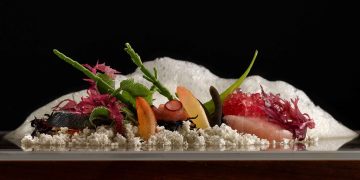
- Foams: One of Adrià’s most famous innovations was the use of foams in dishes. By using a siphon and the infusion of air, Adrià was able to create light, airy textures that enhanced the flavors of sauces, broths, and even desserts. This technique became emblematic of molecular gastronomy.
- Spherification: Another signature technique developed at El Bulli was spherification, the process of turning liquids into small, gel-like spheres that burst with flavor when eaten. This technique was used to create dishes like liquid olives, where the essence of olives was encapsulated in a delicate gel membrane.
- Deconstruction: El Bulli’s deconstructed dishes reimagined traditional recipes by separating them into their individual components and presenting them in a new way. For example, a deconstructed Caesar salad might feature the flavors of a Caesar salad in entirely different forms, like a spray of anchovy essence, a foam of parmesan, and crispy croutons.
2.3 The Impact of El Bulli
El Bulli’s influence on molecular gastronomy and the restaurant industry as a whole cannot be overstated. It not only showcased the possibilities of applying science to cooking but also created a movement that encouraged chefs to experiment with new techniques and challenge culinary conventions.
Despite closing its doors to the public in 2011, El Bulli’s impact is still felt in kitchens around the world. The restaurant’s legacy continues through the Bulli Foundation, which works to preserve and share Adrià’s innovative techniques with future generations of chefs.
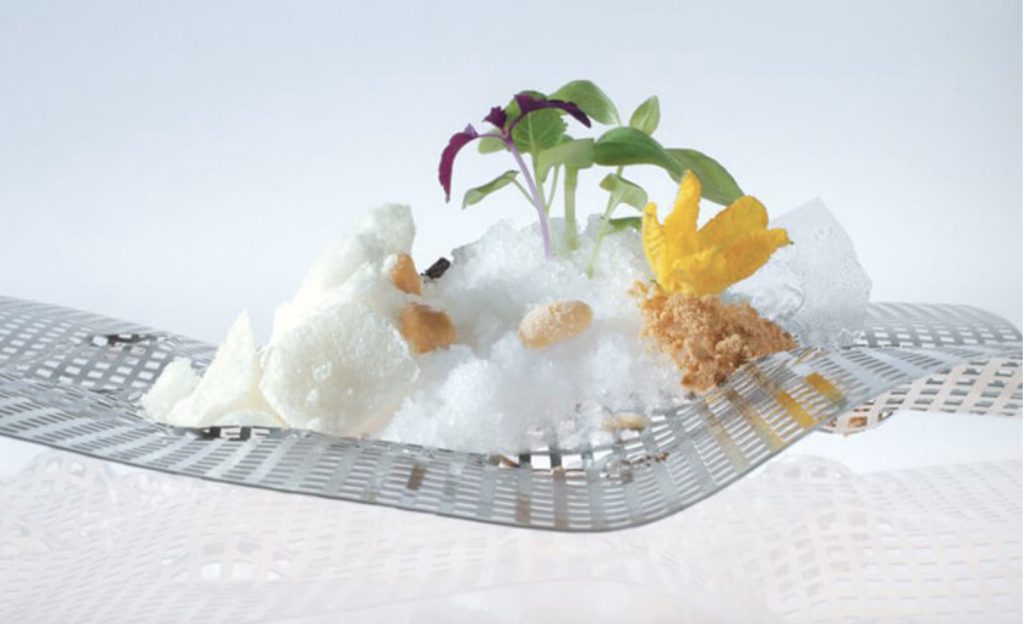
3. The Fat Duck: Heston Blumenthal’s Culinary Wonderland
While El Bulli revolutionized the world of fine dining with its scientific approach, Heston Blumenthal at The Fat Duck in Bray, England, took a similarly innovative approach, blending molecular gastronomy with a focus on sensory experiences and storytelling.
3.1 The Fat Duck’s Unique Vision
The Fat Duck is known for its creative and playful approach to food, where science meets fantasy. Blumenthal, like Adrià, was fascinated by the science behind cooking, and he spent years researching how taste and smell could be manipulated to create memorable dining experiences.
At The Fat Duck, diners don’t just eat—they embark on an interactive journey where food and storytelling come together in unexpected ways. Blumenthal is a master of blending flavor with memory, creating dishes that evoke deep emotions and memories through visual stimuli, sound, and texture.
3.2 Signature Dishes and Techniques
The Fat Duck’s menu is filled with whimsical and inventive dishes that have become iconic in the world of molecular gastronomy:
- Sound of the Sea: One of Blumenthal’s most famous dishes is Sound of the Sea, which combines seafood with a soundscape. Diners listen to the sounds of the sea through headphones while eating a dish of mussels, seaweed, and squid, creating a sensory connection between the taste of the food and the sound of the ocean. This dish demonstrates Blumenthal’s belief in the power of multi-sensory dining.
- Nitro-Scrambled Eggs and Bacon: This dish combines the classic English breakfast with the thrill of liquid nitrogen. The eggs are frozen with liquid nitrogen, creating a cloud-like texture that is both crispy and creamy, offering a playful yet sophisticated take on a traditional dish.
- Beetroot and Raspberry: In this dish, Blumenthal uses spherification to create a beetroot “pearl” that bursts with flavor, paired with raspberry flavors to create a harmonious and surprising combination.
3.3 The Fat Duck’s Legacy
The Fat Duck is a testament to Blumenthal’s vision of combining science, art, and psychology in food. Blumenthal’s ability to use molecular gastronomy to engage all the senses has garnered The Fat Duck international recognition, earning three Michelin stars and a place on many lists of the world’s best restaurants.
Blumenthal’s approach has not only influenced countless chefs but also helped push the boundaries of how food can be experienced. The Fat Duck’s incorporation of multi-sensory elements has inspired restaurants around the world to experiment with the connection between food and other senses, beyond taste alone.
4. El Bulli vs. The Fat Duck: A Comparative Analysis
While El Bulli and The Fat Duck share common ground in their use of molecular gastronomy, their philosophies and approaches to cuisine differ in several ways:
4.1 The Scientific vs. The Sensory Approach
- El Bulli was more focused on the scientific principles behind the techniques, using science to deconstruct and reassemble food. The primary goal was to transform the ingredients, creating entirely new textures and forms that were previously unimaginable.
- The Fat Duck, on the other hand, emphasized the sensory experience of eating, blending science with a focus on storytelling and emotional engagement. Blumenthal’s dishes are often theatrical and designed to evoke memories, creating an experience that is as much about psychology as it is about chemistry.
4.2 Innovation and Playfulness
Both chefs share a sense of playfulness and creativity, but their approaches diverge in how they implement it:
- At El Bulli, Adrià’s playful experimentation was rooted in innovative techniques that challenged traditional perceptions of food and cooking.
- At The Fat Duck, Blumenthal uses playful interactions with the diner, such as soundscapes and unexpected textures, to create a narrative around the food, making the experience more immersive and emotionally resonant.
5. The Enduring Legacy of El Bulli and The Fat Duck
Both El Bulli and The Fat Duck have left an indelible mark on the world of molecular gastronomy and fine dining. Even though El Bulli closed its doors in 2011, its legacy continues through the work of Ferran Adrià and his ongoing influence on modern chefs. The Fat Duck, meanwhile, continues to serve as a beacon of innovation under the leadership of Heston Blumenthal.
These two restaurants have pushed the boundaries of culinary creativity and shown that food can be an art form and a science. Their impact extends beyond just the techniques they pioneered—they have changed how we experience food, how we think about dining, and how food can be an unforgettable multi-sensory adventure.
As molecular gastronomy continues to evolve, the work of El Bulli and The Fat Duck remains at the forefront of this gastronomic revolution, offering endless possibilities for future chefs and diners to explore.
Conclusion
The legacy of El Bulli and The Fat Duck in the world of molecular gastronomy will continue to shape the future of food for years to come. These two restaurants are more than just places to eat—they are temples of innovation, where food is transformed into a sensory experience that defies expectations. Their chefs, Ferran Adrià and Heston Blumenthal, have truly changed the way we think about cooking and eating, ensuring that molecular gastronomy remains an exciting, ever-evolving field at the cutting edge of culinary arts.