









In recent years, the concept of sensory dining has emerged as a powerful trend in the culinary world, transforming traditional meals into immersive experiences. This trend goes beyond the mere taste of food, incorporating elements like light, sound, and aroma to engage all five senses. The goal is to create a truly multi-sensory experience that enhances the enjoyment of food and deepens the connection between the diner and the meal.
As the restaurant industry becomes increasingly competitive, chefs and restaurateurs are seeking innovative ways to distinguish their establishments and offer something beyond the traditional dining experience. Sensory dining has emerged as a key way to create an unforgettable gastronomic journey, inviting diners to experience food in a completely new way.
This article will explore the rise of sensory dining, focusing on how light, sound, and aroma are used to enhance the dining experience. We will look at how these elements are incorporated into restaurant designs, the techniques behind creating immersive environments, and the impact of sensory dining on the future of gastronomy.
1. The Concept of Sensory Dining: Beyond Taste
At its core, sensory dining is about stimulating all five senses—sight, sound, smell, touch, and taste—to create a more immersive and engaging dining experience. While taste has always been the primary focus of a meal, sensory dining challenges the notion that food is solely about flavor. The idea is to incorporate elements that influence how we experience the food, enhancing emotional engagement, atmosphere, and the memory of the meal.
1.1 The Five Senses in Dining
- Sight: Visual presentation has always been a significant part of a fine dining experience, but in sensory dining, the visual elements go beyond plating. Lighting, projected images, and even art installations can be used to set the mood and amplify the experience.
- Sound: Music and ambient noise have long been recognized as influencing dining atmosphere. In sensory dining, the use of soundscapes, sound effects, or even interactive audio experiences enhances the connection to the food.
- Smell: Aroma plays a crucial role in taste perception. The strategic use of scent in sensory dining is a key element in elevating the meal, whether it’s through scented air, smoke, or infused aromas that accompany the food.
- Touch: While touch may seem less prominent in dining, the way food feels in your hands, the temperature of a dish, or the texture of the food itself can significantly influence the overall experience.
- Taste: Finally, the most obvious of the senses, taste, remains the central focus of the dining experience. However, in sensory dining, the flavor profile is often enhanced by the other sensory elements, creating a more dynamic and multi-layered experience.
2. The Role of Light in Sensory Dining
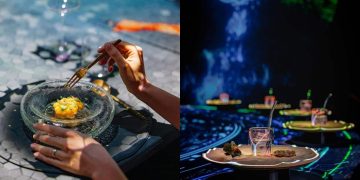
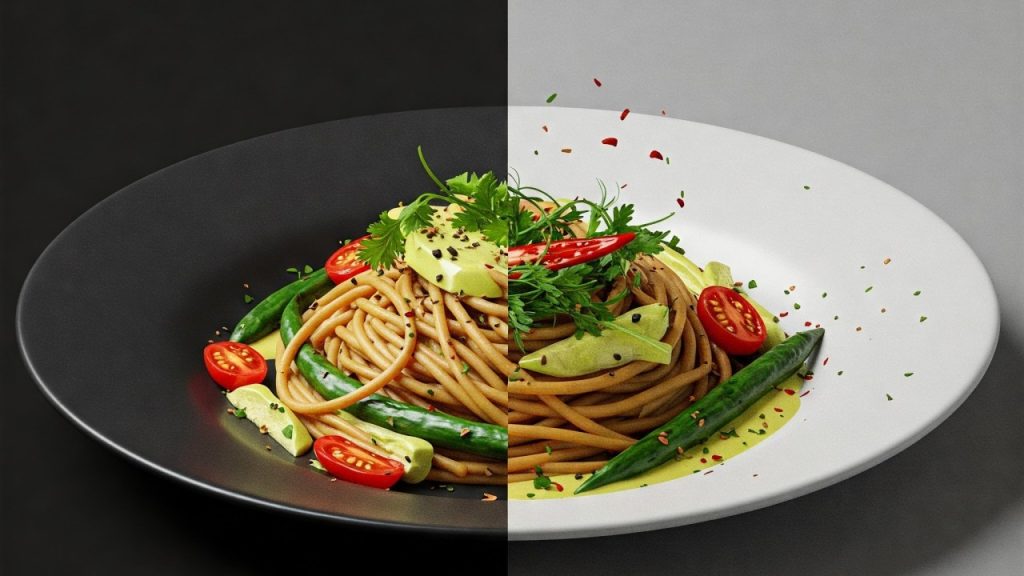
Light is one of the most powerful tools used in sensory dining to shape the atmosphere and influence diners’ emotions. The use of dynamic lighting, whether through color-changing LEDs, projection mapping, or ambient lighting, can completely transform the dining space and enhance the mood.
2.1 The Science of Light and Mood
Light has a profound effect on our psychology. Warm lighting tends to create a cozy, intimate atmosphere, while cool, blue-toned lights evoke a more clinical or modern ambiance. In sensory dining, light can be manipulated to create different moods that complement the meal. For example, a dimly lit room with soft lighting can encourage relaxed conversations, while brightly lit spaces may be used to energize diners.
2.2 Dynamic Lighting to Enhance Flavor
Some restaurants use light projections or interactive light displays to accompany specific dishes. For instance, a restaurant might use light to mimic the natural environment where an ingredient is found, such as a sunset scene when serving a fish dish, evoking feelings of freshness and natural purity. Additionally, flashing lights or glowing plates can elevate the visual experience, making the dining process more exciting and engaging.
3. Soundscapes: Enhancing the Dining Atmosphere with Audio
Sound has an undeniable influence on how we experience food. The use of soundscapes, or a carefully curated audio environment, plays a key role in shaping the mood and overall sensory experience. In sensory dining, ambient sounds or themed music are often used to complement the dishes being served, influencing how they are perceived.
3.1 The Power of Sound in Dining
Sound can impact the way we perceive flavor. Studies have shown that certain frequencies of sound can enhance the perception of sweetness, saltiness, or bitterness in food. Restaurants are now incorporating tailored soundtracks or sound elements that work in tandem with the food, heightening the dining experience.
3.2 Interactive Sound Experiences
Some restaurants are taking sound to the next level by integrating interactive elements where diners can influence the audio experience. For example, at some venues, diners may have the opportunity to adjust the music or even interact with sound-reactive technology that changes the ambiance based on the movement of diners or the food itself.
- Narisawa in Tokyo, for instance, incorporates natural sounds like rainfall or birdsong to accompany dishes inspired by the Japanese countryside, creating a serene environment that transports diners to a different world.
3.3 The Role of Silence and Pause
While music and sound are central to sensory dining, silence also plays a crucial role in creating moments of reflection and focus. Pausing for a moment without background noise allows diners to concentrate solely on the flavor and texture of the dish.
4. Aroma: The Unsung Hero of Sensory Dining
The use of aroma in food is an ancient technique that enhances taste perception. However, in modern sensory dining, scent has become an integral part of the experience, not just for its ability to complement flavor, but also for its power to trigger memories and emotions.
4.1 The Science of Smell and Flavor
Our sense of smell is deeply tied to our perception of taste. In fact, much of what we “taste” is actually determined by our sense of smell. Restaurants that embrace scented dining often use scent diffusers, smoke, or even scented plates to add an aromatic layer to each dish. The idea is to arouse the sense of smell before the food even touches the palate, preparing the diner for the full flavor experience.
4.2 Scented Experiences
Aromatic elements are increasingly incorporated into gourmet dining experiences. For example, scented vapors or infused oils may be released when a dish is presented at the table, creating a rich olfactory environment that complements the visual and gustatory aspects of the meal.
Restaurants are also experimenting with smoke and mist that flow over the table or dish, offering a layered sensory effect. The smell of the food, the visual mist, and the sounds that accompany it create a multi-dimensional environment that enhances the overall dining experience.
- El Celler de Can Roca in Spain is famous for using smoke-infused aromas as part of its menu, enhancing the experience of its dishes with aromatic vapors that fill the air.
5. The Rise of Immersive Dining Experiences
Immersive dining goes beyond just light, sound, and aroma—it integrates the entire environment into the dining experience. By using elements like interactive installations, augmented reality (AR), and projection mapping, restaurants are creating environments that fully envelop diners.
5.1 Projection Mapping and Visual Storytelling
Projection mapping allows chefs and restaurants to transform the entire dining room or table into a visual narrative. Projections can illustrate the origin of a dish, enhance the theme of a meal, or provide a dynamic setting for diners. For example, a dish inspired by the ocean might be accompanied by projections of waves, sea creatures, or coral reefs around the dining space.
5.2 Augmented Reality (AR) in Dining
Some cutting-edge restaurants are experimenting with augmented reality to allow diners to interact with their meals in novel ways. Using AR glasses or smartphone apps, diners can see virtual elements added to their physical meals, such as animated chefs, ingredients that seem to float above the dish, or visual effects that change as they eat.
6. Sensory Dining as the Future of Gastronomy
The rise of sensory dining is shaping the future of the culinary world. As chefs and restaurants continue to push the boundaries of food and technology, immersion, interaction, and multi-sensory experiences will become increasingly important in fine dining. Sensory dining offers not only a new way to enjoy food but also an opportunity for restaurants to tell stories, engage emotions, and create lasting memories for diners.
In the years to come, sensory dining will continue to evolve, embracing new technologies and techniques to create increasingly complex and immersive experiences. For those willing to embrace this innovative trend, dining will no longer be just about food—it will be an experience for the mind, body, and soul.
Conclusion: The Future of Immersive Dining
The integration of light, sound, and aroma in dining is not just about novelty—it’s about creating an immersive, emotional experience that connects diners more deeply to the food they eat. As technology continues to evolve, the possibilities for sensory dining are endless. The fusion of food with sensory experiences will likely continue to shape the future of dining, pushing the boundaries of creativity, engagement, and innovation in the food industry. The new era of multisensory gastronomy has arrived, and it’s more exciting than ever.