








Introduction
In the ever-evolving world of gastronomy, the fusion of distinct culinary traditions has given rise to some of the most exciting and innovative dishes. One of the most delightful and creative realms of fusion cuisine is the blending of Middle Eastern and Western desserts. The rich, aromatic spices of the Middle East combined with the structured, elegant presentations of Western sweets create a unique blend of flavors and textures that captivate the senses.
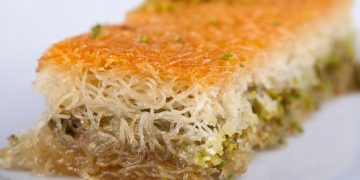
From rose petal lattes to sesame Napoleon pastries, the combination of Eastern ingredients with Western techniques results in novel experiences that offer a fresh twist on classic treats. The influence of Middle Eastern culture, known for its deep-rooted tradition in sweets like baklava, knafeh, and halva, when integrated with Western pastry artistry and modern café culture, creates desserts that honor both old-world flavors and contemporary trends.
This article explores the growing trend of combining Middle Eastern ingredients like rose water, pistachios, sesame, and dates with Western dessert classics such as lattes, Napoleon, and tarts. We will delve into the flavors, history, and techniques that make these fusions so irresistible, while examining the chefs and cafes leading the charge in this sweet revolution.
I. The Rich Legacy of Middle Eastern Desserts
Middle Eastern desserts are celebrated for their bold flavors, exotic ingredients, and complex techniques. Many of these desserts have a centuries-old history, shaped by the region’s trade routes and cultural exchanges. Central to the region’s dessert traditions are the use of fragrant spices, sweet syrups, and nut-based ingredients.
1. Key Middle Eastern Ingredients in Desserts
The following ingredients define the distinctive flavor profiles of Middle Eastern sweets:
- Rose Water: Derived from the petals of roses, this floral essence is a hallmark of many Middle Eastern desserts. It imparts a fragrant, slightly sweet aroma and is often used in pastries, ice creams, and even beverages.
- Pistachios: These green nuts add both a crunchy texture and a subtle, earthy flavor to Middle Eastern sweets like baklava, nougat, and halva. Their use in desserts has spread beyond the Middle East, making them a global favorite in various pastry fillings and toppings.
- Sesame Seeds and Tahini: Known for their nutty flavor and versatility, sesame seeds are used in a variety of Middle Eastern sweets, from halva (a dense, sweet confection) to the sesame brittle known as “irisin”. Tahini, a paste made from ground sesame seeds, adds richness and depth to both savory and sweet dishes.
- Dates: A staple of Middle Eastern diets, dates are often used as a sweetener in desserts like date cake or stuffed with almonds and spices. They offer a natural sweetness and a chewy texture that pairs well with the richness of cream or yogurt.
- Saffron: This golden spice is often used in Middle Eastern desserts to lend both color and an earthy, floral flavor to dishes like rice pudding, custards, and sweet pastries.
II. Western Pastries: A Framework for Innovation
Western pastry traditions have been shaped by centuries of refinement and technique. From the French patisserie to Italian gelato, Western desserts are known for their elegance, precision, and balance of flavors.
1. Classic Western Desserts and Their Techniques
Western desserts often emphasize buttery or creamy textures, crispy crusts, and layered compositions. Here are some iconic Western pastries and their foundational techniques:
- Napoleon: Also known as a mille-feuille, this classic French dessert consists of thin layers of puff pastry, alternating with pastry cream or whipped cream. The combination of crispy, flaky layers and smooth, rich filling offers a delightful contrast in texture.
- Tarts and Pies: Western tarts and pies, such as lemon meringue tart, chocolate ganache tart, and apple pie, focus on creating a balance of textures, often pairing a crisp pastry shell with a smooth filling and, in some cases, a crunchy topping.
- Cakes and Mousses: Western cakes, particularly sponge cakes and mousses, often feature delicate textures, achieved through the meticulous folding of ingredients to maintain airiness. These desserts are typically layered with fillings like buttercream, fruit preserves, or whipped cream.
- Café Desserts: In the modern world, coffee shop culture has led to the rise of lattes, cappuccinos, and macchiatos paired with an array of sweet pastries such as croissants, danishes, and scones. The concept of pairing sweet drinks with small pastries has paved the way for innovative flavor combinations.
III. The Art of Fusion: Combining Middle Eastern and Western Desserts
The fusion of Middle Eastern flavors with Western pastry techniques brings together the best of both worlds—the richness and depth of the East with the elegance and precision of the West. Chefs have creatively used Middle Eastern spices, syrups, and nuts to reimagine traditional Western desserts, offering a delightful twist on the classics.
1. Rose Petal Latte: A Floral Twist on the Classic Coffee
The rose latte is a perfect example of how Middle Eastern flavors can be incorporated into the Western coffee culture. Rose water, a quintessential ingredient in many Middle Eastern desserts, pairs beautifully with the bitterness of espresso and the creaminess of steamed milk. This fusion results in a fragrant, floral beverage that maintains the familiarity of a classic latte while introducing new flavors. The garnish of rose petals adds an elegant touch to this contemporary drink, bridging the gap between traditional Middle Eastern flavors and the modern coffeehouse experience.
2. Sesame Napoleon: A Middle Eastern Take on a Classic French Pastry
The Sesame Napoleon combines the flaky layers of a traditional mille-feuille with the nutty richness of sesame. By incorporating sesame paste (tahini) into the pastry cream, this version of the Napoleon offers a slightly earthy and savory twist that contrasts beautifully with the usual sweet vanilla filling. The sesame seeds sprinkled on top add a delightful crunch, enhancing the layered texture of the puff pastry. The fusion of Eastern nuttiness with the crispiness of the classic French pastry creates a dessert that is both refined and bold in flavor.
3. Pistachio Baklava Tart: Eastern Nutty Goodness in a Western Format
The pistachio baklava tart combines the buttery, crisp layers of baklava with the refined form of a tart. In this dessert, pistachios, often used in Middle Eastern sweets, are paired with the richness of honey syrup and cinnamon in the filling, creating a nutty and sweet combination that evokes the flavors of classic baklava. The tart shell, typically made from a buttery dough, gives a modern twist to the traditional flaky texture of baklava. A drizzle of rose water or a touch of orange blossom syrup ties the dessert back to its Middle Eastern roots, creating a harmonious balance of flavors and textures.
4. Dates and Chocolate Mousse Cake: A Sweet Celebration of Tradition
In this fusion dessert, dates, which are a staple in many Middle Eastern desserts, provide a natural sweetness that complements the rich, decadent flavor of chocolate mousse. The cake incorporates crushed dates into the batter or mousse, creating a slight caramel-like flavor that contrasts with the smooth richness of the chocolate. The cake is often garnished with crushed pistachios or walnuts, both of which are commonly used in Middle Eastern sweets, adding a textural contrast to the soft, velvety layers.
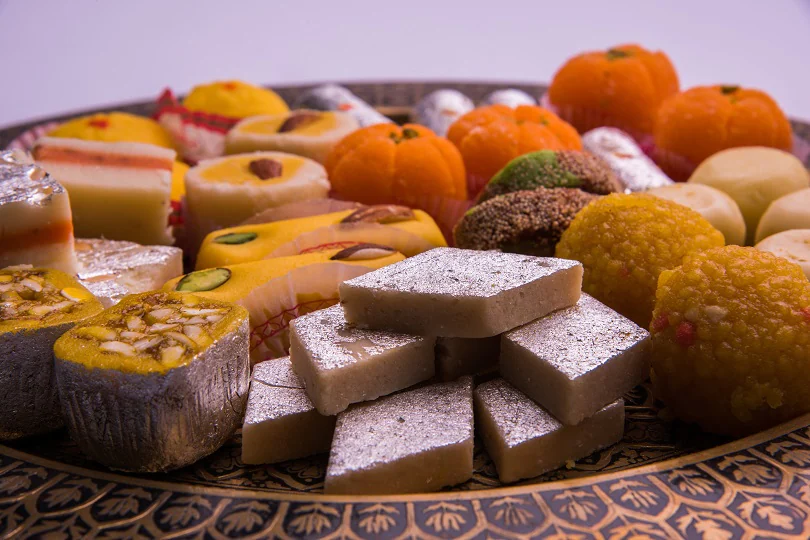
IV. The Growing Popularity of Fusion Desserts
As the demand for unique, cross-cultural culinary experiences continues to rise, fusion desserts like those blending Middle Eastern and Western flavors have become increasingly popular in high-end patisseries, cafés, and restaurants around the world.
1. The Role of Social Media in Promoting Fusion Desserts
Social media platforms, particularly Instagram, have played a significant role in popularizing fusion desserts. The visually striking nature of these desserts—often with layers of pistachios, rose petals, and gold leaf—has made them favorites among food bloggers and influencers. The artistic presentation of fusion desserts often appeals to the growing trend of food as art, where the visual appeal is just as important as the taste.
2. The Influence of Globalization and Cultural Exchange
The rapid growth of global travel, immigration, and culinary exchange has brought together people from different cultures, fostering a deeper appreciation for diverse cuisines. As chefs and home cooks experiment with blending global ingredients and techniques, fusion desserts like the rose latte or sesame Napoleon become increasingly common on menus around the world. The blending of Middle Eastern spices and Western sweets reflects the broader trend of culinary globalization, where food becomes a medium for both cultural exploration and innovation.
Conclusion
The fusion of Middle Eastern and Western desserts represents an exciting chapter in the ever-evolving world of culinary creativity. From rose water lattes to sesame Napoleon, these desserts blend time-honored flavors with modern techniques, offering an experience that is both familiar and new. By combining the exotic spices and rich textures of the Middle East with the refined presentation of Western pastries, chefs have created innovative and irresistible sweets that showcase the beauty of cultural exchange. This trend is sure to continue to grow as global flavors continue to merge and inspire new creations in the world of dessert innovation.