









Introduction
In the dynamic world of contemporary cuisine, food fusion has become one of the most exciting trends. Among the most thrilling combinations is the integration of Latin American and East Asian flavors, which creates an explosion of bold, complex tastes that reflect the diverse culinary traditions of both regions. From Mexican chili peppers paired with Japanese miso, to the freshness of cilantro blending with Chinese soy sauce, the combination of these two culinary cultures is both innovative and culturally enriching.
The marriage of spicy, savory, and tangy Latin American ingredients with the umami-rich, aromatic spices of East Asia offers a wide spectrum of flavor possibilities that challenge traditional palates. This article explores how the fusion of Mexican, Peruvian, and other Latin American cuisines with Japanese, Korean, and Chinese culinary elements has captured the imagination of chefs and food enthusiasts worldwide. We will delve into the historical, cultural, and technical aspects of this fusion, examining key dishes and the chefs who have pioneered this flavorful revolution.
I. The Foundations of Latin American and East Asian Flavor Profiles
To understand the essence of this culinary fusion, it is essential to explore the flavor profiles of both Latin American and East Asian cuisines.
1. Latin American Flavors: A Rich Palette of Heat, Sweet, and Citrus
Latin American cuisine is diverse, shaped by indigenous traditions, colonial influences, and globalization. Mexican, Peruvian, Brazilian, and Argentine cooking all contribute their unique ingredients and techniques, but there are some common threads:
- Chili peppers: From the jalapeño to the habanero, chili peppers are a cornerstone of Latin American cuisine, providing heat, spice, and depth to many dishes.
- Citrus: The lime is integral in Latin cooking, providing a fresh, zesty contrast to the heat of chilies, as seen in ceviche and salsas.
- Herbs and spices: Cilantro, oregano, cumin, and cinnamon bring fresh, aromatic, and earthy flavors to Latin American dishes.
- Sweets and tropical fruits: Ingredients like mango, papaya, and pineapple offer bright, tropical sweetness that complements savory and spicy flavors.
This combination of spicy, sweet, and sour provides a wide palette for blending with other cuisines, especially when you add the complex flavors of East Asian food.
2. East Asian Flavors: Umami, Spice, and Aromatic Layers
East Asia, with its rich culinary history, brings a more subtle, umami-driven flavor profile to the table. Japanese, Korean, Chinese, and Vietnamese cuisines all offer distinct ingredients and preparation techniques, but share several key characteristics:
- Soy sauce, miso, and fermented foods: The umami richness of soy sauce and miso, as well as the tanginess of fermented vegetables like kimchi, are central to the East Asian flavor profile.
- Aromatic spices: Ingredients like ginger, garlic, scallions, and sesame oil provide layers of heat, fragrance, and depth in many East Asian dishes.
- Rice and noodles: Rice serves as the foundation of many East Asian meals, while noodles (such as those found in Chinese, Japanese, and Korean cuisine) add texture and versatility to dishes.
- Citrus: Yuzu and kumquat are used in Japanese cuisine, offering bright, slightly bitter notes that enhance savory and spicy dishes.
By combining the umami, spicy, and herbal elements of East Asian cuisine with the vibrant, citrusy, and smoky qualities of Latin American food, chefs can create unique dishes that reflect the best of both worlds.
II. The Rise of Latin and East Asian Fusion: A Global Trend
The fusion of Latin American and East Asian flavors is not just an accident of culinary creativity; it’s the result of a confluence of cultural exchange, globalization, and a desire for new dining experiences. Over the past two decades, food fusion has grown in popularity, with chefs from around the world experimenting with and combining these regional flavor profiles.
1. Globalization and Cross-Cultural Influences
The globalization of food culture has allowed cuisines from different parts of the world to merge in exciting new ways. As more people travel and experience different cultures, food enthusiasts and chefs alike are no longer confined to the boundaries of their traditional cuisines. Latin American and East Asian chefs began to recognize similarities in their bold, intense flavors and saw the opportunity to combine them into new dishes that would appeal to global palates.
Social media and food blogs have played a crucial role in this process, as people share their culinary experiments and discoveries. What began as niche culinary experiments by adventurous chefs has now become a global trend. Latin and East Asian fusion dishes are being served in high-end restaurants, street food stalls, and casual dining establishments alike.
2. The Demand for Innovation in Dining
Consumers today are more open to experimenting with food and pushing the boundaries of their taste experiences. They seek out novelty, excitement, and innovation in their meals. This growing demand for new and exotic flavors has fueled the rise of Latin and East Asian fusion cuisine, as it provides an opportunity to blend the familiar with the unfamiliar, creating new flavor profiles that excite the senses.
Additionally, the fusion of these two regions’ flavors allows for the customization of dishes to fit various dietary needs. For example, vegetarian and vegan adaptations of Latin and East Asian fusion dishes have become increasingly popular as the demand for plant-based foods grows.
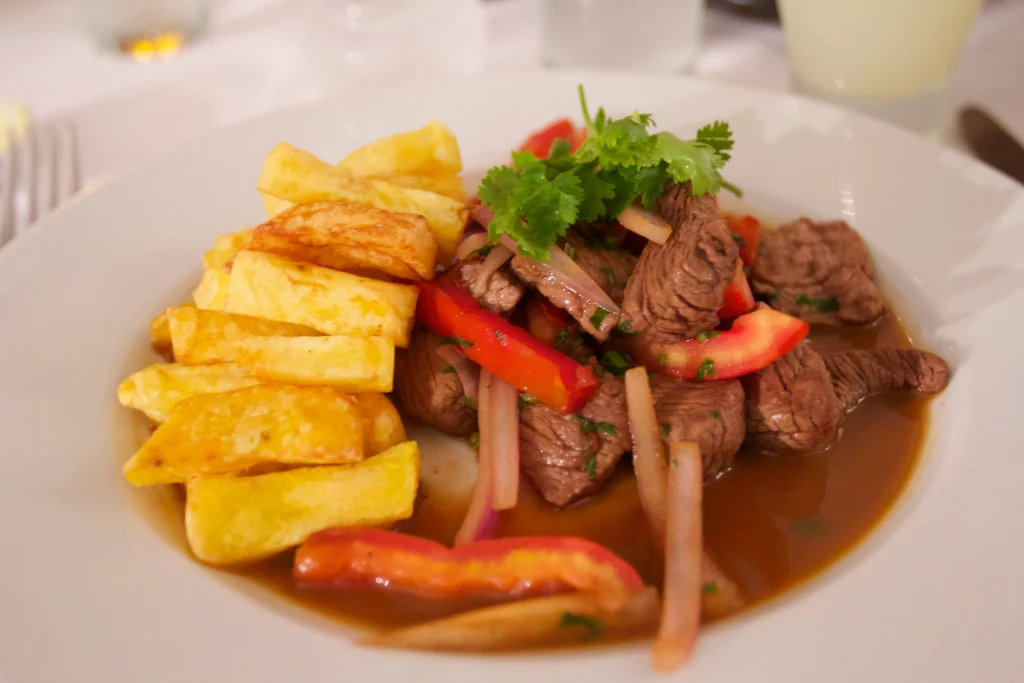
III. Iconic Dishes in Latin and East Asian Fusion
The fusion of Latin American and East Asian flavors has resulted in some truly inventive and mouthwatering dishes that embody the boldness of both culinary traditions. Here are some standout examples:
1. Mexican Kimchi Tacos
One of the most popular and successful fusions of Latin and East Asian cuisines is the kimchi taco. By combining spicy Mexican salsa with the tangy fermented Korean kimchi, these tacos deliver an incredible burst of heat, sourness, and umami. Topped with grilled meats, such as bulgogi beef or tandoori chicken, and served in soft, fresh tortillas, these tacos showcase the bold flavors of both culinary cultures.
2. Sushi Burrito
The sushi burrito combines the traditional Japanese sushi roll with the Mexican burrito, creating a handheld meal that’s as innovative as it is satisfying. Sushi rice, fresh tuna, avocado, and spicy mayo are wrapped in a large sheet of seaweed, often accompanied by Latin-inspired ingredients such as cilantro, lime, and chipotle sauce. The result is a fusion of textures, with the crispiness of the seaweed and the smoothness of the rice, punctuated by the tangy, spicy flavors that define both cuisines.
3. Peruvian Ceviche with Miso and Sesame Oil
Peruvian ceviche, traditionally made with lime, chilies, and fish, can be transformed by incorporating Japanese miso and a touch of sesame oil. This fusion adds an umami layer to the freshness of the ceviche while still allowing the citrusy tang to shine. This version of ceviche highlights how the bright sourness of Latin flavors can be balanced by the rich depth of East Asian ingredients.
4. Korean BBQ Tacos
The Korean BBQ taco is a beloved dish that blends the sweet, savory, and spicy flavors of Korean BBQ with the familiar Mexican taco. Typically, bulgogi beef or short ribs are marinated in a combination of soy sauce, brown sugar, garlic, and sesame oil, and then grilled to perfection. Served in a soft tortilla and topped with kimchi, cilantro, and sriracha, this taco packs a punch in terms of flavor and texture.
IV. Influential Chefs and Restaurants Leading the Charge
Several chefs and restaurants have pioneered the fusion of Latin American and East Asian cuisines, drawing inspiration from both culinary traditions to create new and exciting dishes.
1. Roy Choi and Kogi BBQ
Chef Roy Choi is often credited with popularizing the Korean taco with his Kogi BBQ truck in Los Angeles. By combining Korean BBQ with Mexican taco traditions, Choi created a culinary movement that has influenced many chefs around the world. His work has demonstrated the potential for Latin and East Asian fusion to become a mainstream sensation.
2. The Bazaar by José Andrés
World-renowned chef José Andrés is known for his innovative approach to culinary fusion. His restaurant, The Bazaar, blends Latin American and Asian influences, offering dishes like seafood paella with Korean kimchi and sushi with Mexican chilies. Chef Andrés’ emphasis on creativity and experimentation has helped to elevate Latin-Asian fusion cuisine into the spotlight.
V. The Future of Latin and East Asian Fusion Cuisine
The fusion of Latin American and East Asian flavors is far from a passing trend. As globalization and cultural exchange continue to shape the culinary world, the blending of regional cuisines will only deepen. This exciting genre of cuisine will likely see further experimentation, with new ingredients, flavor profiles, and techniques constantly being tested.
As food lovers around the world become more adventurous in their dining choices, chefs will continue to experiment with combining spices, ingredients, and cooking methods to create dishes that reflect the dynamic and interconnected world in which we live.
Conclusion
The fusion of Latin American and East Asian flavors is a prime example of how cultural exchange and creativity in the kitchen can lead to the creation of innovative, boundary-pushing dishes. With Mexican chili paired with Japanese miso, Korean BBQ combined with Mexican tacos, and Peruvian ceviche enhanced with Asian umami, this fusion showcases the power of food to unite different cultures, elevate ingredients, and offer an unparalleled sensory experience. As we look to the future, this exciting culinary trend will undoubtedly continue to evolve, bringing new flavors, techniques, and cuisines into the spotlight.