










Introduction
The rise of plant-based foods has become one of the most significant shifts in global food culture and consumption over the past few decades. Once relegated to niche diets and fringe health circles, plant-based diets have exploded into the mainstream, gaining attention from consumers, food companies, and policymakers alike. Whether through the growth of veganism, the increasing popularity of flexitarian diets, or the rapid rise of plant-based meat substitutes, the shift away from animal-based products is reshaping the global food landscape.
The plant-based movement is driven by a variety of factors, including growing concerns over health and nutrition, environmental sustainability, and animal welfare. As people become more aware of the negative impact of traditional food systems on the planet, the demand for plant-based alternatives is skyrocketing. In this article, we will explore the drivers behind the rise of plant-based foods, the challenges and opportunities it presents, and the impact it is having on industries ranging from agriculture to food manufacturing. We will also examine how plant-based eating is reshaping cultural perceptions of food and how it could play a crucial role in building a sustainable future.
I. The Drivers of the Plant-Based Revolution
1. Health and Wellness Concerns
The growing popularity of plant-based diets can be attributed, in part, to increasing awareness of the health risks associated with traditional diets high in animal products. Studies have linked excessive consumption of red meat and processed meats to a range of health issues, including heart disease, obesity, type 2 diabetes, and certain types of cancer. This has prompted many consumers to seek healthier, plant-based alternatives that are rich in fiber, antioxidants, and essential nutrients without the saturated fat and cholesterol found in animal products.
For many, plant-based eating is seen as a way to prevent or manage chronic diseases, and this has contributed to the growth of both vegan and vegetarian lifestyles, as well as the rise of the flexitarian diet. The flexibility of the flexitarian approach, which encourages reducing meat consumption while still allowing for occasional animal products, makes it particularly appealing to a broad audience.
2. Environmental Sustainability
The environmental impact of animal agriculture has become a significant concern in recent years. The carbon footprint of meat production, particularly beef and lamb, is enormous, with livestock farming contributing significantly to greenhouse gas emissions, deforestation, and water pollution. It is estimated that animal agriculture is responsible for nearly 15% of global greenhouse gas emissions, more than all forms of transportation combined. As consumers become increasingly aware of the climate crisis and the role that food production plays in global warming, many are turning to plant-based alternatives as a more sustainable option.
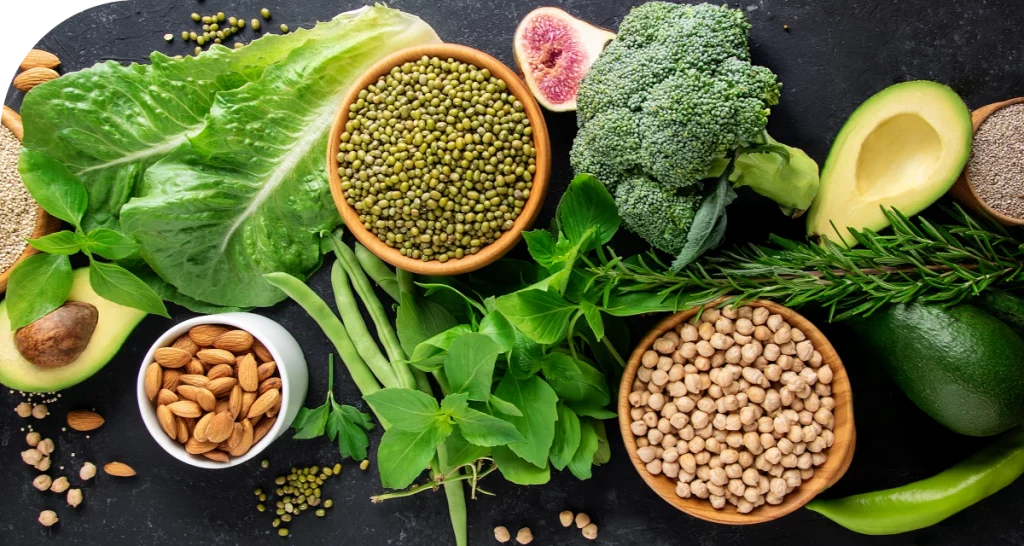
Plant-based foods generally require fewer natural resources, including land, water, and energy, making them a more sustainable choice. For instance, growing plants for food typically uses far less water than raising livestock, and plant-based protein sources like beans, lentils, and tofu produce significantly fewer emissions than animal products. As more people seek ways to reduce their environmental impact, plant-based diets are becoming a key part of the solution.
3. Ethical and Animal Welfare Concerns
The ethical concerns surrounding animal agriculture have long been a motivator for those adopting plant-based diets. Many individuals choose plant-based foods as a way to align their dietary choices with their moral beliefs about animal rights and animal cruelty. Factory farming, which is the predominant form of animal agriculture in many parts of the world, is often criticized for its inhumane treatment of animals. The conditions under which animals are raised—such as cramped living spaces, lack of access to the outdoors, and cruel practices like debeaking and tail docking—have prompted many consumers to seek out alternatives that do not involve animal suffering.
For some, this ethical stance goes beyond simply reducing animal products but extends to a commitment to a plant-based lifestyle, including plant-based fashion, cosmetics, and cleaning products, all of which avoid animal-derived ingredients or testing.
II. The Growth of Plant-Based Alternatives
1. Plant-Based Meat Substitutes
One of the most visible and influential aspects of the plant-based food movement is the rise of plant-based meat substitutes. Brands like Beyond Meat, Impossible Foods, and Oatly have revolutionized the market by creating plant-based products that closely mimic the taste, texture, and appearance of meat, dairy, and other animal-based foods. These companies have partnered with major fast-food chains like Burger King, McDonald’s, and Starbucks to offer plant-based burgers, sausages, and milkshakes, making plant-based options more accessible to a mainstream audience.
The appeal of these products is clear: they allow consumers to enjoy familiar foods without the environmental, health, and ethical concerns associated with animal-based versions. While plant-based meats are not always perfectly identical to their animal counterparts, their popularity has surged, especially as technology continues to improve. The growing availability of plant-based options at fast-food chains, supermarkets, and restaurants signals the broader adoption of plant-based diets.
2. Plant-Based Dairy Alternatives
Alongside plant-based meat, dairy alternatives have also surged in popularity. Products like almond milk, soy milk, oat milk, and coconut yogurt have become mainstream, providing dairy-free options for people who are lactose intolerant, vegan, or simply seeking to reduce their intake of animal products. Innovations in dairy alternatives have led to the creation of plant-based cheeses, butters, and ice creams, all of which closely replicate the flavors and textures of traditional dairy products.
The rise of plant-based dairy is also driven by health concerns, as more consumers become aware of the potential risks of dairy consumption, including its links to acne, hormone imbalances, and digestive issues. The plant-based dairy sector is experiencing rapid growth, and more companies are entering the market with innovative products designed to meet the demands of health-conscious and environmentally aware consumers.
3. Innovations in Plant-Based Foods
The plant-based food sector is not limited to just meat and dairy alternatives. A growing number of companies are developing plant-based snacks, beverages, ready-to-eat meals, and functional foods that offer a variety of benefits, including weight management, enhanced nutrition, and improved digestion. Examples include plant-based protein bars, plant-based energy drinks, and functional foods fortified with vitamins and minerals.
Innovative food technology is also playing a role in the growth of plant-based alternatives. Cellular agriculture is an emerging field that involves producing food products like lab-grown meat through cell cultures. This technology has the potential to significantly reduce the environmental impact of traditional meat production, offering a new way to meet the global demand for animal-based foods without the need for livestock.
III. Challenges and Opportunities in the Plant-Based Food Industry
1. Overcoming Perceptions and Misconceptions
While the plant-based food movement has made great strides, it still faces challenges in terms of consumer acceptance. Many people still associate plant-based food with blandness, lack of flavor, and limited variety. Overcoming these perceptions will require continued innovation and education about the benefits of plant-based eating. As plant-based products become more mainstream and their flavors and textures improve, these misconceptions are likely to dissipate.
Moreover, some individuals may view plant-based diets as expensive or difficult to maintain. The cost of plant-based meat substitutes, for example, can be significantly higher than their animal-based counterparts. However, as production scales up and consumer demand grows, the cost of plant-based products is expected to decrease, making them more accessible to a wider audience.
2. The Role of Governments and Policy Makers
Governments and policymakers can play a crucial role in supporting the rise of plant-based foods through incentives for sustainable agriculture, tax policies, and public health campaigns. In countries such as Denmark and the Netherlands, government policies have promoted plant-based eating as part of national health and sustainability agendas. The establishment of plant-based food guidelines and subsidies for plant-based farmers could accelerate the transition to more sustainable and healthier food systems.
3. Economic Potential
The global plant-based food market is projected to continue growing at a rapid pace. As consumer demand for plant-based products increases, the industry presents significant economic opportunities for innovation, job creation, and investment. According to recent reports, the plant-based food market is expected to reach over $74 billion by 2027, driven by both new product development and an expanding consumer base. As more companies enter the market, there is the potential for a significant shift in the global food industry.
IV. The Future of Plant-Based Foods
1. The Integration of Plant-Based Foods into Traditional Cuisines
As plant-based eating becomes more mainstream, it is likely that plant-based foods will be increasingly integrated into traditional culinary practices. Many world cuisines, such as Indian, Middle Eastern, and Mediterranean, already feature plant-based ingredients as staples. The future of plant-based food may not necessarily involve a complete replacement of animal products, but rather a hybrid approach where plant-based ingredients are incorporated alongside traditional ingredients.
2. Advancements in Plant-Based Technology
Technological innovations will continue to play a significant role in improving the quality and diversity of plant-based foods. As food science and biotechnology advance, we can expect to see new plant-based foods that more closely resemble traditional animal-based products, offering consumers even more options for a plant-based lifestyle.
Conclusion
The rise of plant-based foods marks a significant turning point in the evolution of global food systems. Whether driven by health, sustainability, or ethical concerns, the plant-based movement represents a shift toward more conscious and compassionate eating habits. As the industry continues to innovate, the future of plant-based food looks promising, with endless possibilities for creating more sustainable, healthier, and ethical food systems for the global population.
As more consumers embrace plant-based eating, the opportunity to reshape the food industry for the better has never been more apparent. From reducing environmental impact to improving health outcomes and supporting animal welfare, plant-based foods offer a solution that is both necessary and desirable for the future of our planet and its inhabitants.