









Introduction
Food is far more than mere sustenance; it embodies the history, identity, and values of communities across the globe. Recognizing this, UNESCO (United Nations Educational, Scientific and Cultural Organization) has designated certain traditional culinary practices as Intangible Cultural Heritage (ICH). This designation acknowledges that food is an essential part of cultural identity, offering insight into local customs, historical developments, and social structures. Unlike tangible cultural artifacts, intangible heritage is lived, practiced, and shared through daily activities, rituals, and communal events.
By recognizing traditional foods as part of the global heritage, UNESCO emphasizes their role in promoting cultural diversity, social cohesion, and intergenerational knowledge transfer. This article explores the rationale behind UNESCO’s recognition of culinary traditions, the criteria for selection, exemplary cases from around the world, and the implications for global cultural preservation.
I. The Concept of Intangible Cultural Heritage
1. Defining Intangible Cultural Heritage
Intangible Cultural Heritage encompasses practices, expressions, knowledge, and skills that communities recognize as part of their cultural identity. Unlike monuments or historic buildings, intangible heritage is living and dynamic, often transmitted orally or through practice rather than written documentation. UNESCO identifies five domains of ICH:
- Oral traditions and expressions
- Performing arts
- Social practices, rituals, and festive events
- Knowledge and practices concerning nature and the universe
- Traditional craftsmanship
Food and culinary traditions fall primarily under social practices and rituals because they involve shared practices, seasonal rhythms, and community participation. Through culinary heritage, communities transmit values, skills, and knowledge, preserving social cohesion across generations.
2. Food as Cultural Expression
Traditional foods encapsulate cultural values, beliefs, and local identity. For instance, the meticulous preparation of sushi in Japan or the communal baking of sourdough bread in France reflects specific aesthetic, philosophical, and social principles. Food serves as a medium for storytelling, conveying historical narratives, local customs, and family heritage. UNESCO’s recognition highlights this intrinsic link between cuisine and culture, treating food as both an art form and a vessel of heritage.
II. UNESCO’s Criteria for Recognizing Culinary Heritage
UNESCO employs rigorous criteria to determine whether a culinary practice qualifies as intangible cultural heritage:
- Cultural Significance: The food must have historical, social, or symbolic importance within the community.
- Community Participation: The practice must be actively maintained and transmitted across generations.
- Continuity and Sustainability: The tradition should demonstrate resilience, adapting to changes while retaining its core identity.
- Distinctiveness: The practice should represent a unique aspect of cultural heritage that differentiates it from other traditions globally.
The designation does not imply exclusivity; instead, it encourages preservation, appreciation, and sustainable promotion, ensuring that culinary traditions survive modernization, globalization, and cultural homogenization.
III. Exemplary Cases of UNESCO Culinary Heritage
1. French Gastronomy
In 2010, French gastronomy was inscribed on UNESCO’s Representative List of the Intangible Cultural Heritage of Humanity. Beyond the food itself, this recognition emphasizes the rituals and social conventions of meals—the deliberate sequence of dishes, the importance of fresh ingredients, and the conviviality of dining together. French meals are not simply about taste; they represent a cultural art form that celebrates balance, refinement, and the pleasure of shared experiences.
2. Mediterranean Diet
The Mediterranean diet, practiced in countries such as Greece, Italy, and Spain, was inscribed in 2013. This diet is not just a collection of foods but embodies a way of life that includes farming practices, communal meals, and seasonal consumption. Emphasizing olive oil, vegetables, cereals, and fish, the Mediterranean diet represents sustainability, health, and social cohesion, illustrating how food can intertwine with environmental and cultural consciousness.
3. Washoku: Traditional Japanese Cuisine
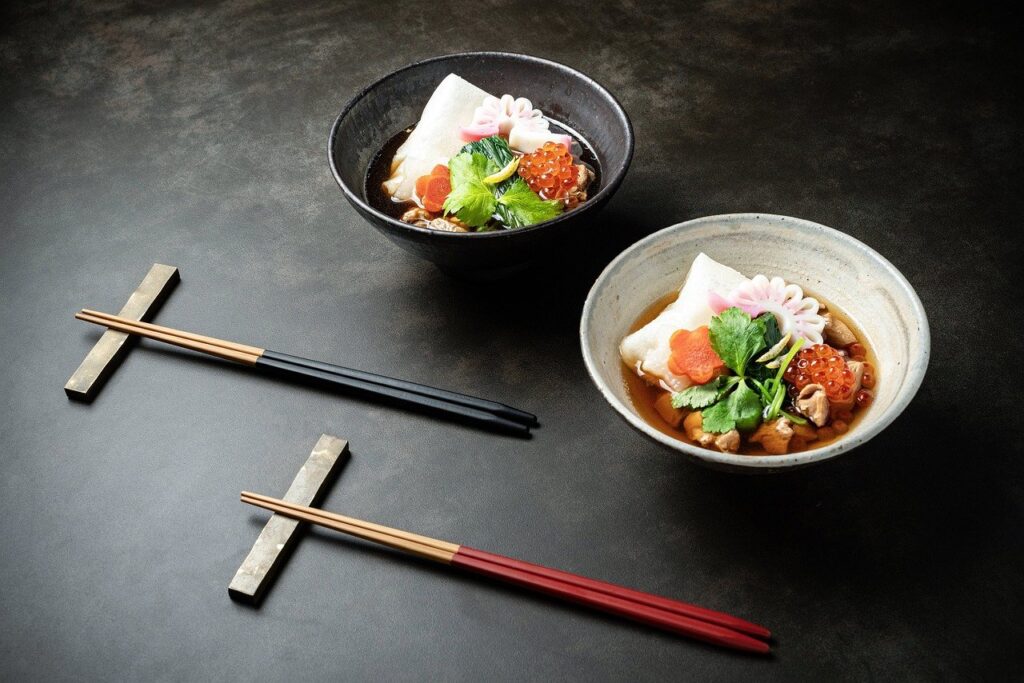
In 2013, Washoku, traditional Japanese cuisine, gained UNESCO recognition. Washoku highlights the use of seasonal ingredients, the aesthetic presentation of dishes, and the preservation of culinary techniques over centuries. Beyond nourishment, Washoku expresses harmony with nature, respect for ingredients, and cultural mindfulness, reflecting Japan’s philosophy of balance and simplicity.
4. Mexican Cuisine
In 2010, Mexican cuisine was recognized as intangible cultural heritage. Characterized by its use of corn, beans, chili, and a variety of regional techniques such as nixtamalization, Mexican cuisine embodies community rituals, religious ceremonies, and familial traditions. The preparation of dishes like mole or tamales is a social event, integrating cultural memory and collective identity.
5. Other Notable Culinary Traditions
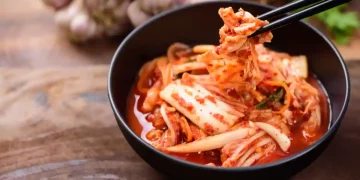
Additional recognized culinary practices include the Kimjang (Korean traditional kimchi-making), Turkish coffee culture, Belgian beer culture, and Ethiopian coffee ceremonies. Each example demonstrates how food operates as both practical sustenance and cultural expression, reflecting community values, histories, and social structures.
IV. Implications of UNESCO Recognition
1. Cultural Preservation and Education
By recognizing culinary traditions as intangible heritage, UNESCO encourages communities to document, teach, and transmit knowledge. Culinary schools, local workshops, and family-based instruction help safeguard traditional techniques. This educational aspect ensures that younger generations maintain a connection to their cultural roots.
2. Economic and Tourism Impact
UNESCO designation often boosts culinary tourism, attracting visitors eager to experience authentic cultural practices. This economic incentive encourages local producers and restaurants to maintain traditional methods while creating opportunities for sustainable development. For example, Japanese Washoku restaurants and Mexican markets have seen increased international interest following UNESCO recognition.
3. Challenges of Globalization
While global recognition promotes preservation, it also presents challenges. Increased commercialization can lead to cultural dilution or adaptation of traditional recipes to suit international tastes. For instance, mass-produced “authentic” pizzas or sushi may sacrifice artisanal techniques to meet global demand. UNESCO emphasizes sustainable preservation, balancing cultural integrity with modern economic realities.
4. Strengthening Cultural Identity
Food as intangible heritage strengthens national and community identity, fostering pride and cohesion. By celebrating traditional culinary practices, communities assert their cultural distinctiveness and encourage intergenerational continuity. This is particularly important in a globalized world where homogenization of taste threatens local traditions.
V. Broader Cultural Significance
1. Food as a Medium of Cross-Cultural Understanding
Traditional culinary heritage encourages dialogue between cultures. Food transcends language barriers, enabling cross-cultural appreciation and exchange. International festivals, culinary exhibitions, and collaborative cooking projects provide spaces for mutual respect and learning.
2. Sustainability and Local Practices
Many recognized culinary traditions are inherently sustainable, emphasizing seasonal, local ingredients and environmentally conscious techniques. Preservation of these practices aligns with global efforts to promote food security, biodiversity, and sustainable consumption.
3. Culinary Heritage and Social Rituals
Culinary practices often accompany festivals, rituals, and ceremonies, reinforcing community bonds. From the Korean Kimjang to the Italian Christmas feast, traditional foods serve as both nourishment and social glue, maintaining continuity in social structures and communal identity.
VI. Challenges and Future Directions
Despite UNESCO’s recognition, preserving culinary heritage faces ongoing challenges:
- Urbanization and Lifestyle Changes: Modern urban life reduces opportunities for communal cooking and traditional food practices.
- Commercialization: Global demand can lead to “fast versions” of heritage foods, potentially eroding authenticity.
- Climate Change: Environmental shifts affect the availability of traditional ingredients, impacting recipes passed down for generations.
Future strategies must focus on community-led preservation, innovative education, and responsible tourism, ensuring that culinary heritage remains living, adaptable, and meaningful for future generations.
VII. Conclusion
UNESCO’s designation of traditional foods as intangible cultural heritage underscores the profound connection between cuisine and cultural identity. Dishes like French gastronomy, Washoku, Mexican cuisine, and the Mediterranean diet are not mere meals; they are living traditions, carriers of history, philosophy, and social cohesion. By safeguarding these practices, UNESCO highlights the importance of food as a cultural, educational, and economic resource.
The recognition encourages communities to celebrate, preserve, and transmit culinary knowledge, ensuring that traditional foods continue to enrich human experience. As globalization advances, intangible culinary heritage serves as a bridge between past and present, fostering cross-cultural understanding while maintaining the unique flavors and stories that define our shared human heritage.
In essence, food recognized as intangible cultural heritage reminds us that what we eat is inseparable from who we are—it tells the story of our communities, our values, and our place in the world. Protecting these traditions ensures that the flavors of history remain alive, nourishing not only our bodies but also our cultural souls.