









Introduction: A New Era of Culinary Innovation
The world of gastronomy has always been in a constant state of evolution. From the earliest forms of cooking to the sophisticated techniques seen in the kitchens of Michelin-starred chefs today, food has undergone tremendous transformations. In the last few decades, we have witnessed the emergence of innovative cooking techniques and the creative use of ingredients that have redefined the way we approach food.
Modern culinary trends are marked by a deliberate fusion of traditional and contemporary techniques, the discovery of new ingredients, and the pairing of flavors in ways that were once unimaginable. In this article, we will explore how novel cooking methods, ingredient combinations, and food innovation are shaping the future of cuisine. We will examine how chefs are experimenting with new textures, flavors, and presentation styles to create unforgettable dining experiences.
I. The Rise of Innovative Cooking Techniques
1.1 Molecular Gastronomy: The Science of Flavor
One of the most influential movements in modern cuisine has been molecular gastronomy, which uses scientific principles to alter the physical properties of ingredients, creating new textures, flavors, and experiences. This method was popularized by chefs like Ferran Adrià and Heston Blumenthal, and has since been embraced by many chefs around the world, including Grant Achatz at Alinea and René Redzepi at Noma.
Molecular gastronomy involves techniques such as spherification, gelification, and the use of liquid nitrogen to create unexpected textures and flavors. For instance, spherification allows liquid ingredients, such as fruit juices or cocktails, to be transformed into small, gel-like spheres that burst in the mouth, offering an entirely new way to experience familiar flavors. Similarly, gelification can be used to turn liquids into delicate gels, offering an intriguing contrast of texture when combined with other ingredients.
These techniques are not just about novelty; they are about enhancing the sensory experience of food, making it more interactive, dynamic, and immersive.
1.2 Sous Vide Cooking: Precision and Perfection
Another groundbreaking cooking method is sous vide, a technique that involves cooking food in vacuum-sealed bags at low, precise temperatures for extended periods. This method, which was initially used in high-end restaurants, has become more accessible in recent years thanks to the rise of home sous vide machines.
Sous vide cooking allows chefs to achieve the perfect level of doneness without the risk of overcooking or undercooking. It ensures that meat, fish, and vegetables retain their natural moisture and flavor while developing a tender texture. This precision cooking method is particularly valuable when working with delicate proteins like fish or lamb, where achieving the perfect balance of doneness is crucial.
1.3 Smoking and Infusion: Adding Depth to Flavors
Smoking and infusion are other techniques that have seen a resurgence in recent years. By introducing smoke from different woods, herbs, or spices, chefs can impart a rich, smoky flavor to a wide variety of ingredients. Smoking can be done with meats, vegetables, and even cocktails, adding layers of complexity and depth to the dish.
Infusions, whether of herbs, spices, or even spirits, are also gaining popularity. By infusing oils, vinegars, and liquids, chefs can extract and enhance the flavors of the ingredients, creating new and unique flavor profiles.
1.4 Fermentation and Pickling: The Power of Preservation
Fermentation has experienced a resurgence in modern cooking, with chefs exploring the potential of fermented ingredients to bring tangy, savory, and umami flavors to their dishes. The process of fermentation, which involves the breakdown of sugars by bacteria or yeast, not only preserves food but also enhances its flavor complexity.
Traditional fermented foods, such as kimchi, sauerkraut, and miso, have been used for centuries in different cultures, but modern chefs are experimenting with fermentation to create new flavor experiences. From fermented fruits and vegetables to fermented beverages like kombucha, the possibilities are vast.
II. Innovative Ingredient Pairings: Uniting the Unexpected
2.1 The Art of Flavor Pairing
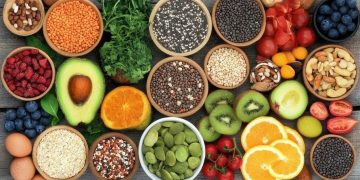
One of the most exciting aspects of modern cuisine is the exploration of unexpected ingredient pairings. The concept of flavor pairing is based on the idea that certain ingredients, when combined, complement each other and create harmonious, balanced flavors. The use of unconventional combinations can elevate a dish from ordinary to extraordinary, offering diners something truly unique.
For example, chocolate and chili is a classic pairing that has been explored by chefs around the world. The sweetness of the chocolate balances the heat of the chili, creating a dynamic contrast of flavors that excites the palate. Similarly, bacon and maple syrup have become a popular combination, where the saltiness of bacon enhances the rich sweetness of syrup.
2.2 Sweet and Savory Combinations
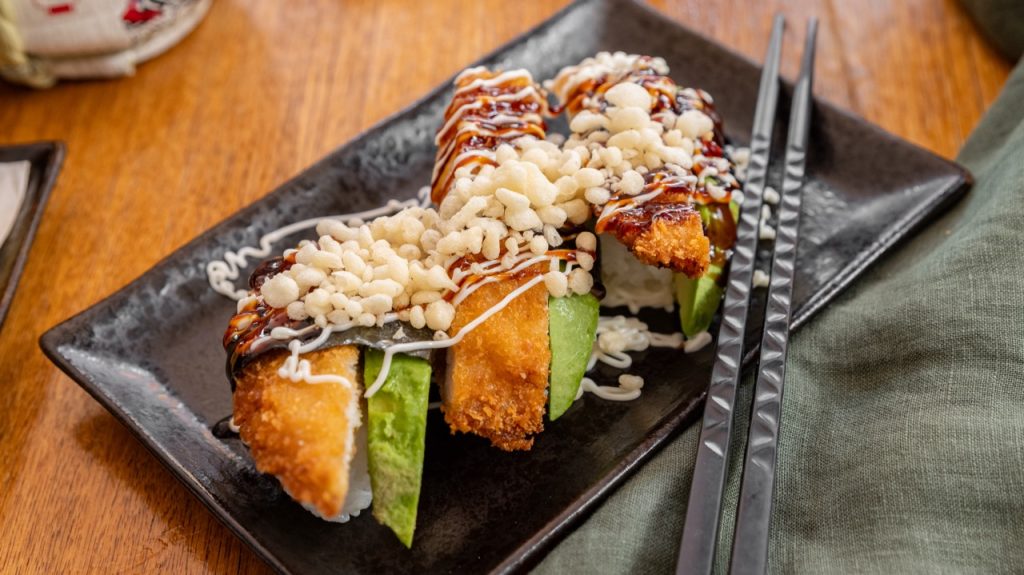
One of the most significant trends in recent years has been the merging of sweet and savory flavors. Historically, these flavor profiles were kept separate in most cuisines, but today, chefs are blending the two to create complex, multi-dimensional dishes.
For instance, caramelized onions paired with blue cheese and figs is a combination that balances the richness of the cheese and the sweetness of the figs with the savory depth of the onions. Similarly, roasted butternut squash with brown sugar and balsamic vinegar offers a balance of sweet and savory elements, creating a dish that is both comforting and sophisticated.
2.3 Herb and Spice Pairings: New Dimensions of Flavor
Herbs and spices have always been essential to cooking, but modern chefs are pushing the boundaries of how these ingredients are paired. Instead of sticking to traditional herb and spice combinations, chefs are experimenting with global influences and new pairings to create bold, dynamic flavors.
For example, the combination of lemongrass and ginger adds freshness and heat to many Asian-inspired dishes, while the pairing of lavender and rosemary can add an aromatic, floral quality to both savory and sweet dishes. The possibilities of herb and spice pairings are endless, and they offer chefs the opportunity to create complex, nuanced flavors that were once unthinkable.
III. The Role of Technology in Ingredient Innovation
3.1 3D Food Printing: Shaping the Future of Food
In the realm of food innovation, technology is playing an increasingly significant role. 3D food printing is one of the most exciting advancements, allowing chefs to print food in custom shapes, textures, and compositions. This technology can create intricate, visually stunning designs that would be impossible to achieve with traditional cooking methods.
For example, 3D printers can be used to print complex sugar structures, creating intricate desserts with precision. In the future, 3D food printing could revolutionize the way we think about food presentation, allowing for personalization and customization at an unprecedented scale.
3.2 Lab-Grown Ingredients: Redefining Sustainability
Another major area of innovation is the development of lab-grown ingredients, such as lab-grown meat and plant-based alternatives. These products, produced using biotechnology, offer a more sustainable and ethical approach to food production. Lab-grown meat, for instance, has the potential to reduce the environmental impact of traditional animal farming by minimizing land use, water consumption, and greenhouse gas emissions.
Chefs are already exploring how these lab-grown ingredients can be incorporated into fine dining. Plant-based proteins are being used in everything from burgers to fine-dining dishes, while lab-grown meats are being explored as a sustainable alternative to traditional meat.
3.3 Artificial Intelligence in Cooking
Artificial intelligence is also making its way into the kitchen, with some chefs using AI algorithms to create new dishes, optimize recipes, and even predict flavor combinations. AI has the potential to accelerate the innovation process, allowing chefs to quickly test and refine new recipes, ensuring that the final dish meets both flavor and texture expectations.
In the future, AI could help chefs design custom dishes based on a diner’s preferences or dietary restrictions, paving the way for highly personalized dining experiences.
IV. The Future of Innovative Ingredients and Cooking Techniques
4.1 Sustainability and Innovation
As sustainability becomes an increasingly important factor in food production and consumption, the creative use of ingredients will continue to be a key driver of change in the culinary world. Chefs will continue to explore innovative ways to make the most of local, seasonal, and sustainable ingredients, while also minimizing food waste through creative repurposing of by-products.
The concept of “zero waste cooking”, where every part of the ingredient is utilized, is gaining momentum. From vegetable peels used to create stocks and sauces to bones and offals transformed into delicacies, chefs are finding new ways to reduce waste and improve the sustainability of their menus.
4.2 The Continued Exploration of New Textures and Flavors
The future of food will likely see continued experimentation with new textures and flavors. The boundaries of what is possible in terms of ingredient manipulation and combination will only expand, thanks to advances in technology and new techniques. Chefs will continue to create surprising, multisensory dishes that challenge diners’ expectations and redefine what food can be.
As the food industry moves forward, we can expect to see even more integration of technology, sustainability, and creativity in the kitchen, shaping a future where ingredients are used in increasingly innovative and exciting ways.
Conclusion: The Endless Possibilities of Culinary Innovation
The innovative use of ingredients and novel cooking techniques is reshaping the culinary landscape. From molecular gastronomy to plant-based proteins and lab-grown meats, chefs are breaking boundaries and reimagining the possibilities of food. As new technologies and sustainability practices continue to emerge, the future of food promises to be more creative, exciting, and diverse than ever before. The result is a dynamic, ever-evolving culinary world where innovation, sustainability, and artistry take center stage, offering both chefs and diners endless opportunities to explore and enjoy.