









Introduction: The Art of Dining and the Role of Grant Achatz
In the realm of haute cuisine, few chefs have had as profound an impact as Grant Achatz, the Michelin-starred chef and culinary visionary behind Alinea, a world-renowned restaurant in Chicago. Achatz’s philosophy, which views food as a form of performance art, has transformed the dining experience into something far more interactive, emotional, and experiential than traditional fine dining. His avant-garde approach has pushed the boundaries of culinary innovation, combining artistry, science, and theater to create multisensory, immersive dining experiences.
At Alinea, food isn’t simply consumed; it is experienced, felt, and interacted with. This innovative philosophy of “food as performance” extends beyond taste and smell, inviting diners to engage with food on an emotional, intellectual, and even physical level. The following article delves into how Grant Achatz’s culinary philosophy has reshaped the modern dining experience, the techniques he uses to create his one-of-a-kind dishes, and the broader implications of his work on the future of gastronomic art.
I. The Emergence of Grant Achatz in the Culinary World
1.1 Early Influences and Culinary Beginnings
Born in 1974 in Chicago, Grant Achatz’s journey into the culinary world was shaped by a strong foundation of classical French training. He honed his skills at renowned institutions such as the Culinary Institute of America (CIA) and worked in prestigious kitchens like the French Laundry in California, under the guidance of celebrated chef Thomas Keller.
However, Achatz’s real breakthrough came when he decided to move away from traditional approaches and explore the world of molecular gastronomy—a term popularized in the late 20th century to describe the application of science to cooking. While at El Bulli, the legendary restaurant led by Ferran Adrià in Spain, Achatz was inspired by the cutting-edge techniques and creative freedom that the molecular gastronomy movement offered. This exposure marked the beginning of his philosophy to treat food as a multi-sensory experience—an approach that would eventually define Alinea’s groundbreaking dishes.
1.2 Founding Alinea: A Culinary Revolution
In 2005, Achatz opened Alinea in Chicago, with the vision of creating a dining experience that transcended traditional fine dining. The restaurant’s mission was clear: to challenge the boundaries of what food could be, to blur the lines between cooking and art, and to make each meal a unique experience for the diner.
Unlike conventional restaurants, Alinea embraced the notion of food as performance, where dishes are not merely eaten but experienced in a manner akin to an art show or theater production. The meal was designed to unfold in several acts, with the dishes serving as dynamic pieces of art, incorporating elements of surprise, novelty, and creativity. From the moment diners enter the restaurant to their final bite, they are engaged in a performance that stimulates all the senses.
II. The Philosophy of Food as Performance
2.1 Redefining the Role of the Chef
Grant Achatz’s approach to cooking has redefined the role of the chef from a mere food preparer to a storyteller, performer, and artist. For Achatz, the kitchen is his stage, and food is his medium. Each dish is conceived not just as a meal but as an emotional and sensory journey.
The core idea behind “food as performance” is that dining should be more than a transactional experience where food is simply consumed to satisfy hunger. Instead, it should be a participatory event that involves the diner in a multi-sensory exploration. At Alinea, every plate tells a story, evokes emotion, and engages the diner’s senses of taste, smell, sight, touch, and even hearing.
2.2 The Concept of the “Tasting Menu”
One of the key features of the Alinea experience is the tasting menu, a carefully curated sequence of dishes that evolve in complexity and intensity as the meal progresses. Unlike traditional à la carte menus, the tasting menu at Alinea is a curated journey that guides diners through a series of flavors, textures, and experiences.
Each dish in the tasting menu is designed not just to satisfy but to provoke a reaction. Whether through unexpected textures, audible components, or visually striking presentations, Achatz creates an evolving experience that transforms the act of eating into something closer to an immersive theatrical performance.
For example, one of Alinea’s signature dishes, “The Edible Balloon”, features a balloon made of edible ingredients such as helium-infused fruit. The dish allows diners to consume the balloon by inhaling helium and experiencing a playful twist on the concept of dining, creating an unforgettable memory in the process.
2.3 Interaction and Immersion
At Alinea, diners are encouraged to interact with the food in ways that break the traditional boundaries of a meal. One of the defining characteristics of Achatz’s work is the element of surprise. Each course is designed to challenge diners’ preconceptions of what food can and should be, encouraging them to be open to new experiences and embrace the unexpected.
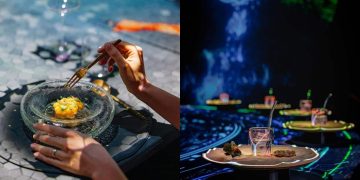
In some cases, the meal involves auditory and visual elements, enhancing the experience of food with sounds that complement the flavors. For instance, diners might hear the sound of crackling fire or the hum of an electric current as they enjoy a dish that mimics the sensation of electricity. The inclusion of these elements blurs the lines between dining and theater, making each bite not just about taste, but about participation in the performance of the meal.
III. Techniques and Innovations at Alinea
3.1 Molecular Gastronomy
One of the hallmarks of Grant Achatz’s culinary style is his use of molecular gastronomy, a technique that involves the manipulation of ingredients at the molecular level to create novel textures, flavors, and presentations. Achatz doesn’t simply follow trends; he seeks to pioneer new methods for transforming food, often employing chemistry and physics to elevate the culinary experience.
For example, Achatz employs techniques such as spherification, which involves creating liquid-filled spheres that burst in the mouth, and gelification, which turns liquids into delicate gels. These techniques allow for the creation of foods that are visually striking and texturally unique, offering diners an entirely new way to experience familiar ingredients.
The use of smoke, ice, and liquid nitrogen adds dramatic effects to the dining experience, creating a sense of wonder and excitement. These techniques are not simply about novelty, but about creating food that stimulates the senses and invites diners to engage in the process of cooking, not just consuming.
3.2 The Impact of Presentation and Plating
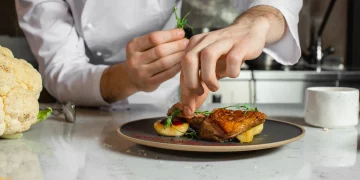
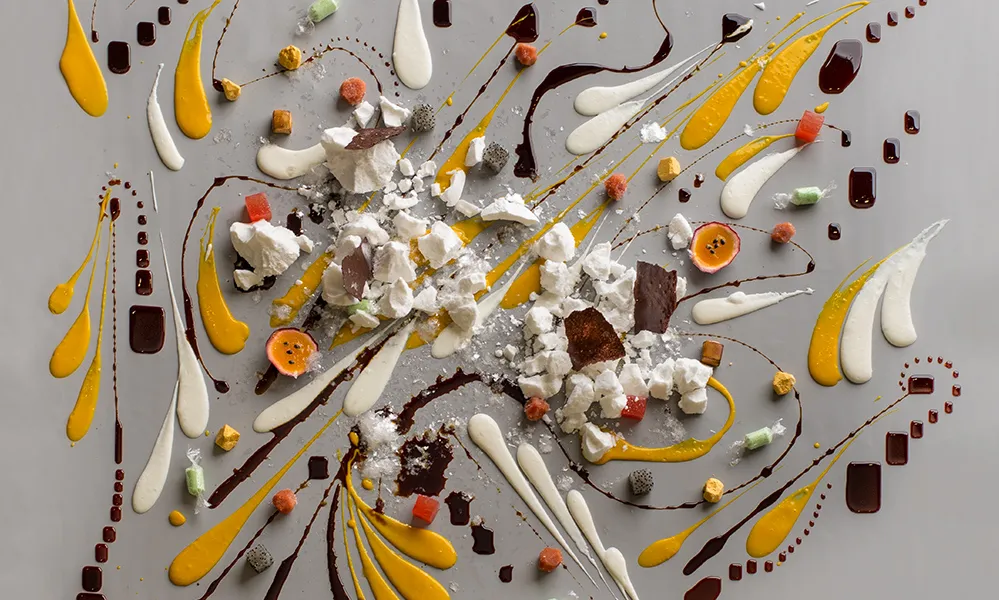
The visual presentation of food is another important aspect of the Alinea dining experience. Each dish is plated with meticulous attention to detail, transforming the plate into a canvas upon which food becomes a work of art. Achatz and his team at Alinea treat plating as an extension of the story the food tells, using colors, textures, and shapes to reflect the theme and mood of the dish.
Presentation at Alinea often goes beyond the confines of the plate itself. Some dishes are served in non-traditional vessels, such as glass globes, spoons, or custom-made containers, that enhance the performance aspect of the meal. These vessels are designed to evoke curiosity and encourage diners to explore the food in new ways, breaking away from traditional dining norms.
IV. The Global Influence of Alinea and Grant Achatz
4.1 Michelin Stars and International Recognition
Alinea’s success has been nothing short of extraordinary. Achatz’s restaurant has garnered three Michelin stars, the highest honor in the culinary world, for its innovative approach to dining. The restaurant is consistently ranked among the best in the world, and Achatz himself is hailed as one of the most influential chefs of his generation.
The recognition Alinea has received has not only solidified Achatz’s place in culinary history but has also cemented the importance of creativity and innovation in the modern restaurant scene. By reimagining food as a form of performance, Achatz has inspired chefs around the world to embrace experimentation and push the boundaries of what is possible in the kitchen.
4.2 The Influence on the Broader Culinary Community
Achatz’s approach to food has influenced countless chefs and restaurateurs globally. Many of today’s most innovative chefs, such as David Chang of Momofuku and René Redzepi of Noma, cite Achatz as an inspiration for their own work. His ability to blend science, art, and theater into a cohesive dining experience has opened up new possibilities for what restaurants can be.
The concept of “food as performance” has also influenced the growing trend of interactive dining, where guests are invited to become a part of the meal itself, whether through hands-on cooking, engaging with the presentation, or participating in the creative process.
V. The Future of Dining: Alinea’s Legacy and the Evolution of Food as Performance
5.1 Moving Beyond the Plate
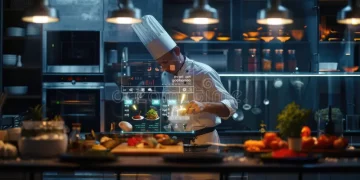
As we look to the future, the principles of Grant Achatz’s “food as performance” philosophy will continue to evolve. Technology will undoubtedly play a key role in this evolution. Advances in virtual reality (VR), augmented reality (AR), and haptic feedback could allow diners to experience food in even more immersive and interactive ways.
For instance, AR could create environments where the diner is transported to the origins of their dish, experiencing it in its natural context. Virtual reality might allow for fully immersive dining experiences where the diner’s surroundings change to reflect the themes of the meal. Achatz’s emphasis on multisensory engagement is likely to inspire future chefs to embrace new technologies and continue pushing the boundaries of what food can be.
5.2 The Intersection of Performance, Art, and Culinary Innovation
Ultimately, Achatz’s work at Alinea has proven that food is not just sustenance; it is a medium for self-expression, a performance that engages the senses, stimulates the mind, and evokes emotion. It’s a form of art that speaks directly to the diner, inviting them to participate in a multisensory exploration of taste, texture, and culture. As more chefs embrace this philosophy, the dining world will continue to be transformed by a new era of interactive, avant-garde dining experiences.
Conclusion
Grant Achatz has revolutionized the way we think about dining. By integrating art, performance, and innovation into the act of eating, he has created a new culinary landscape—one where food is more than just a meal; it is an experience, a journey, and a form of artistic expression. His approach to food will continue to influence chefs and diners alike for years to come, paving the way for a more imaginative and interactive future of gastronomy.