









Introduction: The Intersection of Technology and Culinary Arts
The rapid advancements in food technology are reshaping how we produce, consume, and even perceive food. Among the most exciting developments in recent years are plant-based meats and 3D-printed foods. These innovations are revolutionizing the food industry, providing consumers with alternatives that are not only environmentally sustainable but also personalized and tailored to dietary preferences.
Plant-based meats, such as artificial steaks and chicken made from plants, promise to reduce the environmental impact of traditional animal agriculture while offering the same tastes and textures that consumers love. Meanwhile, the rise of 3D food printing is pushing the boundaries of culinary creativity, enabling chefs and food manufacturers to design intricate desserts, personalized meals, and even customized nutrition. This article delves into these cutting-edge food technologies, their impact on the food industry, their potential benefits, and the challenges they face in achieving widespread adoption.
I. Plant-Based Meats: Redefining the Future of Protein
1.1 What is Plant-Based Meat?
Plant-based meat refers to products designed to mimic the taste, texture, and appearance of traditional animal-derived meat but made entirely from plant ingredients. These products are created using plant proteins, such as soy, pea, wheat, and rice, and are often enriched with flavors, fats, and other ingredients that replicate the sensory experience of eating meat.
The rise of plant-based meats is primarily driven by several factors:
- Environmental Sustainability: The meat industry is one of the largest contributors to greenhouse gas emissions, deforestation, and water usage. Plant-based alternatives offer a way to reduce the environmental footprint associated with meat production.
- Health Concerns: As consumers become more health-conscious, many are seeking alternatives to traditional red meats, which are linked to increased risks of heart disease, diabetes, and certain cancers.
- Ethical Considerations: Animal rights concerns have led many individuals to reduce or eliminate their consumption of animal products. Plant-based meats provide an ethical and cruelty-free option without compromising on taste.
1.2 The Pioneers of Plant-Based Meat: Impossible Foods and Beyond Meat
The development of plant-based meats has been pioneered by companies such as Impossible Foods and Beyond Meat. Both of these companies have successfully created plant-based alternatives to iconic meats such as beef burgers, sausages, and even chicken nuggets.
- Impossible Foods is famous for its Impossible Burger, which is made using a key ingredient called heme—a molecule found in plants and animals that gives meat its characteristic flavor and aroma. By using this innovative ingredient, Impossible Foods has created a burger that cooks and tastes remarkably like a traditional beef patty.
- Beyond Meat offers a variety of products, including the Beyond Burger, Beyond Sausage, and Beyond Chicken. Beyond Meat’s approach focuses on creating a meat-like texture and flavor using pea protein, rice protein, and other plant-based ingredients. It has received significant attention from consumers, restaurants, and fast-food chains alike for its realistic taste and texture.
Both companies have disrupted the traditional meat market by securing partnerships with major fast food chains like McDonald’s, Burger King, and KFC, making plant-based options more accessible to mainstream consumers.
1.3 Health and Environmental Benefits of Plant-Based Meats
One of the key advantages of plant-based meats lies in their health benefits and lower environmental impact compared to animal-based meat:
- Health Benefits: Plant-based meats are typically lower in saturated fats and cholesterol compared to traditional meats. Many are also fortified with vitamins, minerals, and other nutrients that are beneficial for health. Some plant-based burgers, for example, are high in fiber, which is absent in animal meat.
- Environmental Sustainability: The environmental benefits of plant-based meats are significant. Studies show that producing plant-based meats uses fewer natural resources, such as land, water, and energy, compared to raising livestock. Plant-based meat production also generates fewer greenhouse gas emissions, making it a more sustainable alternative to traditional animal agriculture.
Despite these benefits, plant-based meats still face challenges. Some critics point out that these products can be highly processed, and there is ongoing debate about their nutritional value relative to whole plant-based foods like beans and legumes.
II. 3D-Printed Foods: The Future of Personalized, Customizable Meals
2.1 What is 3D Food Printing?
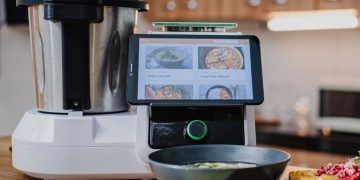
3D food printing is a revolutionary technology that allows for the printing of edible objects using food-grade ingredients. The process involves digital models being converted into physical food items using specialized printers. These printers extrude food pastes or liquids layer by layer to create complex designs, textures, and shapes.
3D food printing can use a variety of materials, including:
- Chocolate and sugar-based pastes for intricate desserts
- Dough and pureed vegetables for custom meals
- Proteins (including plant-based meats) to create custom textures and structures
The potential for 3D printing in food extends beyond the artistic and creative aspects—it also holds promise for solving global food security challenges and personalizing nutrition.
2.2 Applications of 3D Food Printing
3D food printing has far-reaching implications in both the culinary arts and food manufacturing. Below are some of the primary applications of this innovative technology:
- Personalized Nutrition: One of the most exciting prospects of 3D food printing is the ability to create personalized meals tailored to individual nutritional needs. For example, patients with specific dietary restrictions—such as diabetics or those with food allergies—could have meals custom-designed to meet their health requirements. Additionally, food could be fortified with specific vitamins, minerals, and supplements to enhance its nutritional profile.
- Culinary Creativity: Chefs can use 3D food printers to create intricate designs and structures that would be difficult, if not impossible, to achieve using traditional cooking methods. Desserts, such as cakes, chocolates, and even candy sculptures, are being produced with 3D printing technology. The ability to print textures and shapes can elevate the art of food presentation.
- Sustainability: 3D food printing can also help address food sustainability issues by reducing waste and improving food production efficiency. For instance, food printing technology can enable the use of food by-products (such as vegetable scraps) to create new, usable ingredients, thus minimizing waste.
- Space Exploration: Another fascinating application of 3D food printing is its potential role in space exploration. NASA has already explored the idea of using 3D food printers to create meals for astronauts on long missions. 3D printing allows for the production of nutrient-rich, custom-designed meals that can be stored for extended periods without the need for refrigeration or preservation.
2.3 Challenges and Limitations of 3D Food Printing
While the potential of 3D food printing is immense, the technology is still in its early stages, and there are several challenges to overcome:
- Cost: Currently, the cost of 3D food printing technology is high, limiting its widespread adoption in everyday kitchens or small-scale food businesses. However, prices are expected to decrease as the technology becomes more refined.
- Limited Ingredients: The selection of ingredients available for 3D food printing is still somewhat limited. While 3D food printers can work with a variety of ingredients, they require specific formulations of food pastes and liquids. For example, printing with meat alternatives or certain vegetables can be challenging due to their consistency and texture.
- Consumer Acceptance: While 3D-printed foods can be visually stunning and nutritionally optimized, consumer acceptance may take time. Many people may still be skeptical about the taste, texture, and authenticity of 3D-printed food compared to traditional cooking methods.

III. The Intersection of Plant-Based Meat and 3D Food Printing
3.1 A Combined Future of Plant-Based and 3D-Printed Foods
As both plant-based meat and 3D food printing technologies evolve, the potential for combining these innovations is highly promising. 3D food printing could allow plant-based proteins to be used in entirely new ways, creating personalized, customized meals that are both nutritious and sustainable.
For instance, 3D printers could be used to layer plant-based meats to create intricate textures and shapes that mimic traditional meat cuts. Plant-based steaks and chicken fillets could be created using 3D printing, opening up new possibilities for personalized dining experiences. This would allow consumers to experience a product that not only tastes like meat but also has the texture and appearance of real animal-based protein.
Additionally, combining plant-based meat with 3D food printing could further push the boundaries of food sustainability by creating complex, customized meals that are more efficient to produce, use fewer resources, and reduce waste.
IV. The Future of Food: What Lies Ahead?
4.1 Sustainability and Ethical Considerations
The future of plant-based meat and 3D-printed foods is undoubtedly tied to sustainability and ethical concerns. As the population continues to grow and environmental challenges such as climate change and resource depletion intensify, these innovations provide promising solutions for sustainable food production. They offer alternatives that are more efficient, ethical, and adaptable to the evolving needs of the global food system.
4.2 Technological Integration in Food Production
The integration of artificial intelligence (AI) and robotics with plant-based meats and 3D food printing technology will likely accelerate the development of smarter, more efficient food systems. AI could be used to optimize food recipes, improve the nutritional content of plant-based products, and predict consumer preferences based on big data. Robotics, meanwhile, could enable mass production of customized 3D-printed foods in commercial kitchens or at the consumer level.
4.3 Consumer Acceptance and Market Expansion
As the taste, texture, and availability of plant-based meats and 3D-printed foods improve, consumer acceptance will likely increase. The convenience, personalization, and sustainability of these products will appeal to a broad demographic, from environmentally-conscious consumers to tech-savvy millennials and Gen Z.
In the coming years, plant-based meats and 3D food printing will play a significant role in transforming how we think about food, ultimately leading to a more sustainable, healthier, and creative future of culinary innovation.
Conclusion: A New Era of Culinary Exploration
Plant-based meats and 3D-printed foods represent the forefront of culinary innovation, blending technology with sustainability and creativity. As these technologies evolve, they promise to revolutionize not just the food industry but also the way we experience food. From reducing the environmental footprint of meat production to enabling personalized nutrition and culinary artistry, the future of food is undoubtedly being shaped by these exciting developments. While challenges remain, the potential for sustainability, health, and creativity in food production is immense, offering a world of possibilities for future generations.