









Introduction
In today’s ever-evolving culinary landscape, food innovation is often driven by the rediscovery of forgotten or underused ingredients that have been passed down through generations, yet faded from modern kitchens. As the global food culture embraces sustainability, health-conscious eating, and a renewed appreciation for culinary heritage, ancient grains, wild greens, fermentation techniques, and traditional spices are making their way back into the spotlight. Chefs and home cooks alike are increasingly turning to these time-honored ingredients to craft dishes that offer new layers of flavor and nutrition, while also connecting us with the past.
These ingredients not only bring depth and complexity to contemporary cooking, but they also offer significant nutritional benefits, promote sustainability, and support biodiversity. As part of a growing movement towards relocalization and food sovereignty, the use of forgotten grains, wild greens, fermentation techniques, and ancient spices presents an opportunity to reinvent modern recipes with ingredients that are healthier, more sustainable, and rich in cultural significance.
This article explores how the rediscovery of these ancient food practices is influencing the modern culinary world, how they add new flavor dimensions, and how they are being creatively incorporated into dishes that reflect the diversity and richness of global food traditions.
I. Forgotten Grains: Unlocking the Flavor and Nutritional Potential of Ancient Cereals
1.1. The History of Forgotten Grains
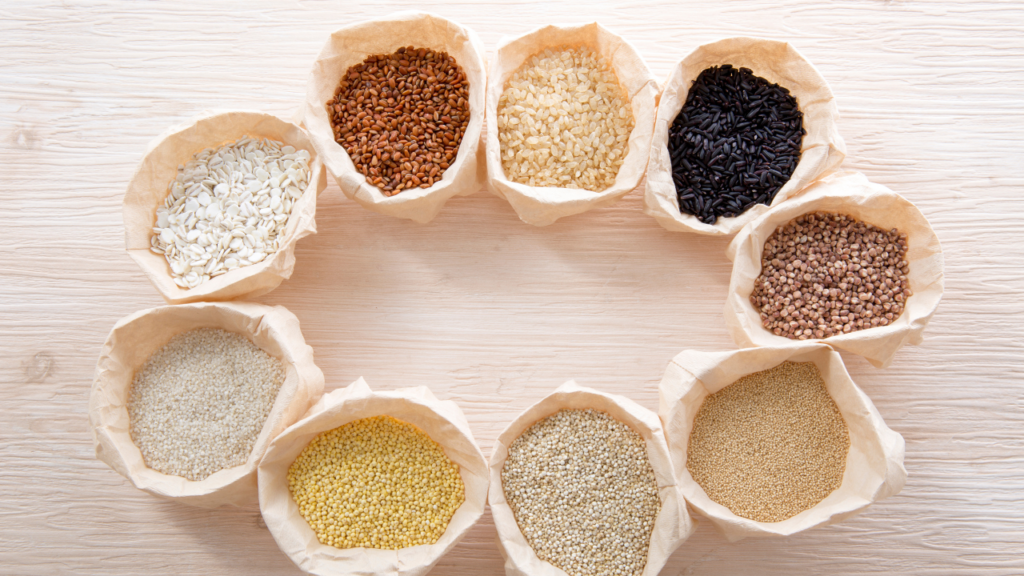
Throughout human history, grains have been the cornerstone of diets across cultures. However, in recent decades, many ancient grains have been overshadowed by more commercially popular cereals like wheat, rice, and corn. Grains such as spelt, amaranth, teff, farro, millet, and freekeh have long been used in various regions but were largely forgotten as monoculture farming and industrial agriculture took hold.
Many of these grains are rich in protein, fiber, and micronutrients like iron, magnesium, and B vitamins. Additionally, they often contain antioxidants, anti-inflammatory compounds, and have a lower glycemic index than their modern counterparts, making them healthier options for those concerned about chronic diseases such as diabetes, obesity, and heart disease.
In recent years, these forgotten grains have made a resurgence as health-conscious consumers and chefs seek out alternatives to highly processed, refined foods. Their nutritional value and unique textures, alongside growing interest in diversity and sustainability, have made them the foundation for innovative recipes.
1.2. How Forgotten Grains Are Making Their Way Back
Chefs and food innovators are embracing ancient grains for their ability to elevate dishes with new textures and flavors. Many of these grains, such as quinoa and farro, are now appearing on restaurant menus, while spelt and millet are being incorporated into home-cooked meals.
In popular recipes, these grains are often used in salads, soups, grain bowls, and as an alternative to rice or pasta. Their chewy, hearty textures and nutty flavors are a great complement to roasted vegetables, grilled meats, and plant-based proteins. For instance, farro is often used as a base for Mediterranean-inspired dishes, while millet is a staple in Indian cuisine and is frequently used to create dishes like khichdi or millet pilaf.
The growing popularity of these grains in contemporary kitchens can be attributed to their versatility in both savory and sweet dishes, their ability to pair well with other superfoods, and their ability to absorb flavors from sauces and broths.
1.3. The Health Benefits and Sustainability of Forgotten Grains
Beyond their culinary appeal, forgotten grains are seen as healthier and more sustainable alternatives to conventional grains. For example, amaranth is packed with complete proteins, making it a great choice for vegetarians and vegans, while teff, the key ingredient in Ethiopian injera, is naturally gluten-free, making it a popular choice for those with dietary restrictions.
From a sustainability perspective, many ancient grains are well-suited to dryland farming and can thrive in less fertile soils, reducing the environmental impact of large-scale agriculture. By embracing these grains, we reduce our reliance on monoculture crops that deplete soil and require heavy use of pesticides and fertilizers.
II. Wild Greens: Exploring the Flavors of Edible Plants Found in Nature
2.1. A Return to Foraging: The Popularity of Wild Greens
In the last few years, there has been a revival of interest in wild greens—edible plants that grow naturally in forests, fields, and other wild environments. From dandelion leaves and stinging nettles to wild garlic and watercress, these plants are full of flavor and nutritional benefits.
Foraging for wild greens offers a unique opportunity to connect with nature while introducing a range of bold flavors into cooking. These greens often have a more intense and complex taste than cultivated varieties, ranging from bitter to peppery or savory, and they can be used in a wide variety of dishes, from soups and salads to smoothies and pestos.
2.2. Nutritional Powerhouses: The Health Benefits of Wild Greens
Wild greens are packed with nutrients—vitamins A, C, and K, antioxidants, and phytonutrients that are not only great for overall health but are also believed to have anti-inflammatory and detoxifying properties. For example, wild nettles are known for their high levels of iron and calcium, while dandelion greens are great for liver health and digestion.
These greens are also rich in fiber and chlorophyll, which can help with detoxification, promote healthy digestion, and improve skin health. Many wild plants are also adaptogenic, meaning they can help the body adapt to stress and maintain balance.
2.3. Incorporating Wild Greens into Modern Cooking
While foraging is an important practice for those interested in wild foods, it’s not always accessible for everyone. Fortunately, wild greens can now be found at many farmers’ markets and specialty grocery stores, where they are sold alongside other organic produce.
Chefs and home cooks alike are using wild greens to add fresh, earthy flavors to their dishes. Wild greens are often found in salads and herb-based sauces (like wild garlic pesto). They can also be incorporated into soups, sauces, juices, and smoothies for added flavor and nutrition.
III. The Art of Fermentation: Unlocking New Flavors and Health Benefits
3.1. Fermentation: A Time-Honored Technique with Modern Appeal
Fermentation is one of the oldest and most significant food preservation techniques used across cultures. This process, which involves the breakdown of food by beneficial bacteria, yeast, or molds, has been used to create a wide range of flavorful foods, such as kimchi, sauerkraut, miso, and yogurt.
In recent years, fermentation has gained popularity not only for its unique ability to create complex flavors but also for its health benefits. Fermented foods are packed with probiotics, which promote healthy gut bacteria and improve digestive health. They also offer an easy way to preserve food while enhancing its flavor profile.
3.2. The Flavors of Fermentation: Sour, Tangy, and Umami
Fermentation imparts a distinct sour, tangy, or umami quality to food, making it a powerful tool for adding depth and complexity to dishes. For example, fermented pickles bring a tangy crunch to salads and sandwiches, while kimchi adds a spicy and savory element to soups and stews.
Fermented ingredients like miso and soy sauce are commonly used in East Asian cuisines to add umami to soups, stir-fries, and marinades. Similarly, sauerkraut and kimchi can elevate meat dishes, grain bowls, or even vegan tacos with their punchy flavors.
3.3. Health Benefits of Fermented Foods
Fermented foods are often considered superfoods due to their high levels of beneficial bacteria (probiotics), which can help balance the gut microbiome. The consumption of fermented foods is linked to improved digestion, boosted immunity, and enhanced mental health.
Fermented products are also easier to digest than their non-fermented counterparts because fermentation breaks down phytates and lactose, making nutrients more bioavailable. As the health benefits of fermentation continue to be researched, more people are incorporating these foods into their daily diets.
IV. Ancient Spices: Adding Layers of Flavor with Time-Tested Ingredients
4.1. Rediscovering the Depth of Ancient Spices
Ancient spices such as turmeric, cumin, cardamom, and sumac have long been integral to the cuisines of regions like the Middle East, South Asia, and North Africa. These spices were originally valued not only for their ability to enhance flavors but also for their medicinal properties.
Today, these spices are being rediscovered by chefs seeking to introduce bold, aromatic flavors into their dishes. Turmeric, for example, has become widely popular in recent years due to its vibrant color and purported anti-inflammatory benefits, while cardamom is revered for its warming qualities and rich, floral aroma.
4.2. The Role of Ancient Spices in Modern Dishes
Ancient spices are increasingly being incorporated into global fusion dishes, adding layers of flavor and complexity to everything from soups and stews to desserts and drinks. Sumac, with its tangy, citrusy flavor, is now used to season grilled meats, while cumin and coriander are common in vegetable curries and spicy rice dishes.
Many modern chefs are also exploring ancient spice blends, such as garam masala or berbere, to create unique flavor profiles that cross cultural boundaries.
Conclusion
The rediscovery of forgotten grains, wild greens, fermentation techniques, and ancient spices is ushering in a new era of flavor exploration and culinary innovation. These ingredients not only bring new textures, flavors, and health benefits to our plates but also offer a deeper connection to our food heritage and the sustainability of our food systems.
As chefs, home cooks, and food enthusiasts continue to embrace these ancient techniques and ingredients, the possibilities for creating exciting, nutritious, and sustainable dishes are endless. By incorporating forgotten grains, wild greens, fermented foods, and ancient spices into modern recipes, we are not only revitalizing traditional food practices but also forging a path toward a healthier and more sustainable food future.