









Introduction
In recent years, the culinary world has seen a dramatic shift towards the use of local ingredients in everyday cooking. From regionally grown vegetables to grass-fed meats and organic farm products, consumers and chefs alike are increasingly turning to sustainable and locally sourced foods as the foundation for delicious, nutritious, and eco-friendly meals. This growing trend, often referred to as farm-to-table or locavore eating, reflects a broader cultural shift towards greater awareness of food origins, sustainability, and health.
The global demand for cleaner, healthier, and more ethically produced food has pushed local ingredients into the spotlight, transforming the way we think about what’s on our plates. With an increasing focus on supporting local farmers, reducing food miles, and preserving food heritage, these ingredients have become key players in contemporary cooking.
This article delves into the growing popularity of local food movements, the nutritional and environmental benefits of choosing local, and how regional vegetables, grass-fed meats, and organic produce are being utilized in popular recipes around the world. We will also explore how chefs, food enthusiasts, and home cooks are adopting these ingredients in creative and innovative ways to celebrate the diversity of flavors in local cuisine.
I. The Rise of Local Ingredients in Popular Recipes
1.1. The Global Shift Toward Local and Sustainable Eating
The shift towards local ingredients is part of a broader global movement focused on sustainability and food sovereignty. Consumers, especially in urban areas, are increasingly concerned about the environmental and social impacts of their food choices. Issues such as food waste, overconsumption, and unsustainable farming practices have prompted many to re-evaluate the way food is produced, distributed, and consumed.
By embracing local sourcing, individuals not only support small-scale farmers and local economies but also contribute to reducing their carbon footprint. Locally grown vegetables, organic products, and grass-fed meats travel fewer miles, reducing the emissions generated from food transportation. This emphasis on sustainability has led to the creation of numerous farmers’ markets, community-supported agriculture (CSA) programs, and direct-to-consumer food systems that make locally sourced ingredients more accessible.
The movement has also coincided with an increasing desire for transparency in food sourcing. Consumers now demand to know where their food comes from, how it is produced, and whether it meets ethical standards. In this context, the adoption of local food is seen not only as a way to protect the planet but also as a way to support fair trade, animal welfare, and environmentally conscious farming practices.
1.2. The Appeal of Local Ingredients: Freshness, Flavor, and Nutrition
One of the primary reasons that local ingredients have gained such popularity is their superior freshness. Fruits, vegetables, and meats that are grown or raised locally are harvested at their peak ripeness and transported to market with minimal time between harvest and consumption. This leads to food that is fresher, tastier, and more nutritious than items that have been shipped long distances.
For example, a heirloom tomato grown on a local farm in the summer will taste significantly more flavorful than a tomato imported from another country, which may have been picked before it was ripe in order to withstand long-distance transportation. Similarly, grass-fed beef or pastured chicken raised on local farms is often leaner, richer in nutrients like omega-3 fatty acids, and tends to have a more complex, natural flavor compared to conventionally raised meat.
In addition to their flavor and nutritional advantages, local ingredients also contribute to the seasonality of cooking. As different fruits and vegetables come into season throughout the year, chefs and home cooks alike adjust their menus to showcase what is freshest and most abundant in their local area. This seasonal approach encourages more sustainable eating practices and offers a constantly evolving variety of dishes throughout the year.
II. The Popularity of Local Vegetables in Contemporary Recipes
2.1. Seasonal Vegetables: A Foundation for Healthy Cooking
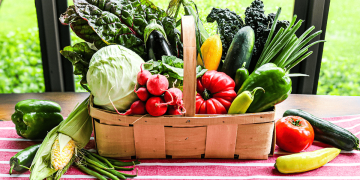
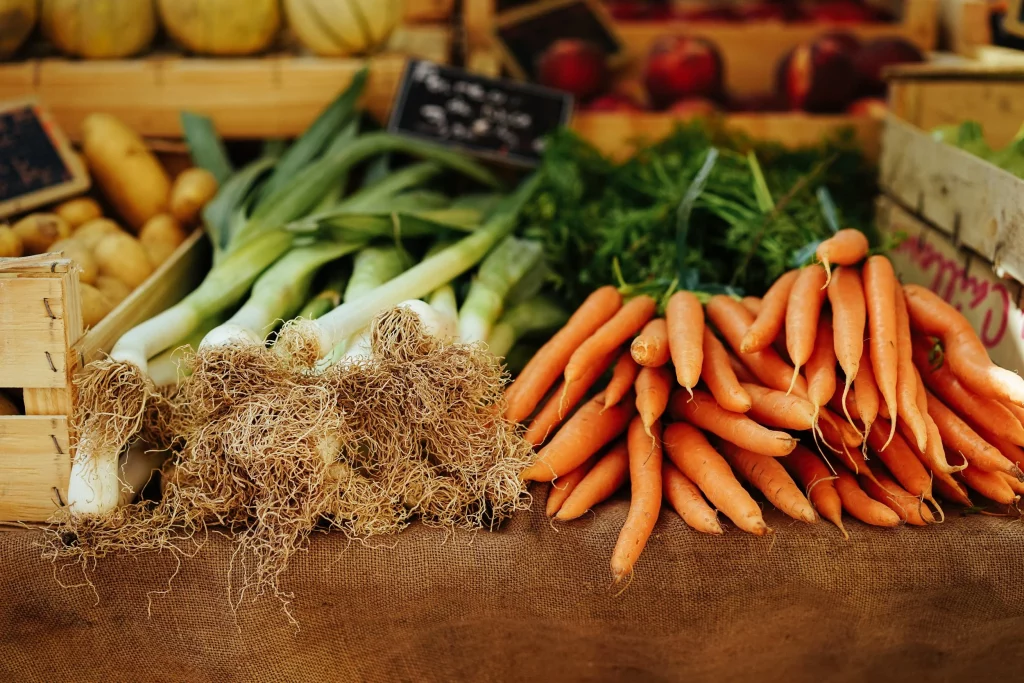
The consumption of seasonal vegetables is one of the most significant aspects of the local food movement. Vegetables such as kale, sweet potatoes, carrots, and squash are widely grown in various climates and feature prominently in seasonal recipes. In spring, dishes often focus on lighter vegetables like peas, asparagus, and lettuce, while winter calls for heartier roots like parsnips, turnips, and beets.
The appeal of seasonal vegetables lies not only in their freshness but also in their ability to enhance the flavors of dishes. For instance, roasted root vegetables or grilled spring greens are popular ways of showcasing the natural sweetness and richness of the produce. Furthermore, by aligning recipes with the seasons, cooks can create dishes that are naturally balanced, satisfying, and reflective of the year’s cycle.
Some of the most popular seasonal vegetable-based dishes include:
- Farm-to-table salads featuring mixed greens, radishes, and microgreens.
- Vegetable stews or curries using seasonal root vegetables like carrots, parsnips, and potatoes.
- Stuffed squash with seasonal ingredients such as quinoa, herbs, and local cheese.
- Grilled vegetables like eggplant, zucchini, and bell peppers, often paired with herbs and local olive oils.
2.2. The Role of Local Vegetables in Health-Conscious Cooking
Local vegetables are also a central component of many health-conscious diets, such as the Mediterranean, plant-based, and paleo diets. These diets emphasize whole, natural foods that are minimally processed and rich in essential nutrients. Vegetables, especially those grown locally, are high in fiber, vitamins, and antioxidants, making them an ideal choice for anyone seeking a nutritious and balanced diet.
For example, leafy greens like spinach, collard greens, and arugula are packed with essential nutrients like iron, calcium, and vitamin K, making them popular ingredients in everything from smoothies to salads to cooked dishes. Similarly, tomatoes and peppers are rich in vitamin C and lycopene, making them key components of heart-healthy dishes.
III. Grass-Fed Meats: A Sustainable and Ethical Protein Choice
3.1. Grass-Fed vs. Conventional Meat: The Difference in Quality
The growing demand for grass-fed meats is closely tied to the desire for more sustainable and ethical food production methods. Unlike conventional factory-farmed meat, which often involves grain-fed livestock, grass-fed beef, lamb, and poultry are raised on natural diets of grass and other forage. This not only aligns with the principles of animal welfare but also results in healthier meat for consumers.
Grass-fed meats are typically leaner, lower in total fat, and contain higher amounts of beneficial nutrients such as omega-3 fatty acids, conjugated linoleic acid (CLA), and vitamins A and E. Additionally, grass-fed livestock are generally raised without the use of antibiotics and hormones, making them a healthier choice for consumers who are concerned about food safety and sustainability.
In popular recipes, grass-fed meats are often used in dishes that highlight the natural flavors of the meat, such as:
- Grilled steaks or roasts with simple seasoning of salt, pepper, and fresh herbs.
- Slow-cooked stews and braised dishes that allow the flavors to develop over time.
- Ground beef used in burgers, meatballs, and tacos, offering a leaner alternative to conventional beef.
3.2. Ethical and Environmental Considerations
From an environmental standpoint, grass-fed farming is often seen as more sustainable than conventional livestock farming. Grass-fed cattle are typically raised on pastureland, which can be managed in ways that promote soil health and biodiversity. Additionally, grass-fed livestock tend to have a smaller environmental footprint, as they require less grain and feed, reducing the strain on agricultural resources.
The ethical aspect of choosing grass-fed meats is also significant. Many consumers opt for grass-fed beef and other meats because they support animal welfare practices that ensure animals are allowed to roam freely and engage in natural behaviors, rather than being confined to feedlots. As a result, grass-fed meat is often viewed as a more humane and responsible choice.
IV. Organic Produce: A Key Ingredient in Clean, Healthy Eating
4.1. The Benefits of Organic Farming
Organic produce has become synonymous with health-conscious eating, as it is grown without the use of synthetic pesticides, herbicides, or fertilizers. Organic farming practices focus on maintaining soil health, conserving water, and promoting biodiversity, making organic food a more sustainable choice for both consumers and the environment.
In addition to the environmental benefits, organic produce often contains fewer harmful chemicals, which can be especially important for children, pregnant women, and individuals with food sensitivities. Organic fruits and vegetables are also known for their enhanced flavor profiles, often resulting in sweeter, more vibrant produce compared to their conventionally grown counterparts.
4.2. Popular Organic Recipes
Organic ingredients are often used in recipes that emphasize the purity and freshness of natural produce. Some popular organic recipes include:
- Organic vegetable stir-fries with seasonal produce like broccoli, carrots, and bell peppers.
- Farm-to-table soups and broths made with organic root vegetables, tomatoes, and fresh herbs.
- Organic fruit salads or smoothies, using in-season fruits like berries, apples, and citrus.
- Vegetable-based pastas and salads, incorporating organic greens, tomatoes, and cucumbers.
Conclusion
The rise of local ingredients, including regionally grown vegetables, grass-fed meats, and organic produce, is more than just a passing trend—it’s a reflection of a global movement toward sustainability, health, and food consciousness. As consumers increasingly demand fresh, nutritious, and ethically produced food, local ingredients have emerged as key players in the world of contemporary cooking.
By focusing on locally sourced and seasonal produce, ethical meat choices, and organic farming practices, food enthusiasts and home cooks are not only elevating their culinary experiences but also contributing to a more sustainable and health-conscious food system. Whether through farm-to-table restaurants, food blogs, or community markets, local ingredients are taking center stage, offering a wealth of opportunities for chefs and food lovers to explore new flavors, cultures, and cooking techniques.