









Introduction
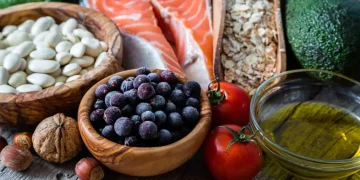
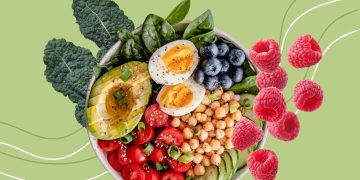
The increasing global trend toward plant-based diets, driven by growing concerns about health, sustainability, and animal welfare, has had a profound impact on the food landscape. As more individuals turn to plant-based eating, the popularity of superfoods—nutrient-dense foods packed with vitamins, minerals, and antioxidants—has also surged. These foods, such as quinoa, chia seeds, spirulina, and avocados, are not only celebrated for their exceptional nutritional profiles but are also at the forefront of the plant-based movement, which emphasizes whole, plant-derived foods as the foundation for a healthy and sustainable diet.
The plant-based diet has evolved from a niche lifestyle choice to a mainstream trend, influencing everything from food production and menu offerings at restaurants to product development in the grocery aisles. As this dietary shift gains momentum, superfoods have become an integral part of this transformation, providing consumers with a variety of options that are both nutritionally rich and aligned with sustainable eating practices.
This article explores the intersection of plant-based eating and superfoods, examining how these foods are reshaping our approach to nutrition, the environment, and our relationship with food. From the health benefits to the environmental impact, we will delve into why plant-based superfoods are so popular and how they can be incorporated into everyday meals for optimal health and well-being.
I. The Plant-Based Diet: A Movement Shaping Modern Eating Habits
1.1. The Rise of Plant-Based Diets
The plant-based diet is gaining traction across the globe as more individuals embrace the idea of reducing or eliminating animal products from their daily meals. Various factors have contributed to the widespread popularity of plant-based eating, including growing awareness about the health risks associated with excessive consumption of animal products, concerns over animal welfare, and the environmental impact of animal agriculture.
In the past decade, the plant-based movement has shifted from a niche dietary choice to a mainstream trend. More than ever before, people are choosing plant-based alternatives in restaurants, grocery stores, and even fast food chains, making plant-based options widely available and more accessible.
1.2. The Health Benefits of a Plant-Based Diet
A plant-based diet is often associated with a lower risk of chronic diseases such as heart disease, diabetes, and certain types of cancer. Plant-based foods—such as fruits, vegetables, whole grains, legumes, and nuts—are rich in fiber, antioxidants, healthy fats, and essential vitamins and minerals. These foods help to improve digestion, boost immunity, support healthy weight management, and promote overall well-being.
The elimination of animal products from the diet has also been linked to improved cholesterol levels, lower blood pressure, and reduced inflammation, all of which contribute to better cardiovascular health. Additionally, the plant-based diet is often lower in saturated fat and processed meats, both of which are considered risk factors for chronic illnesses.
1.3. The Environmental Impact of Plant-Based Eating
The environmental impact of food production is another driving force behind the shift toward plant-based eating. Animal agriculture is a major contributor to greenhouse gas emissions, deforestation, and water pollution. In contrast, plant-based foods have a significantly lower carbon footprint and require fewer natural resources to produce.
By choosing plant-based foods, consumers can reduce their personal environmental impact, helping to mitigate the effects of climate change and promoting sustainability in food systems. The popularity of plant-based diets has led to an increased demand for plant-based alternatives in the marketplace, driving innovation in the food industry and making plant-based eating more accessible and affordable for all.
II. Superfoods: Nutrient-Dense Powerhouses
2.1. What Makes a Food a “Superfood”?
The term “superfood” refers to foods that are exceptionally rich in essential nutrients and have health benefits beyond basic nutrition. These foods are packed with antioxidants, vitamins, minerals, fiber, and healthy fats, making them important additions to any diet. While the term “superfood” is not officially recognized by regulatory bodies like the FDA, it has become widely used in marketing and popular culture to describe nutrient-dense foods that offer significant health benefits.
Superfoods are often considered functional foods, meaning they provide nutrients that have a positive effect on overall health, beyond the basic requirements for survival. Many superfoods, such as blueberries, kale, and chia seeds, are known for their antioxidant content, which helps protect the body against free radicals and oxidative stress—factors that contribute to aging, inflammation, and the development of chronic diseases.
2.2. Plant-Based Superfoods: The Best of Both Worlds
Plant-based superfoods are especially popular in the context of plant-based diets, as they provide powerful nutritional support for those avoiding animal products. These plant-derived superfoods offer an abundance of essential nutrients and bioactive compounds that can enhance immune function, promote gut health, and support overall vitality.
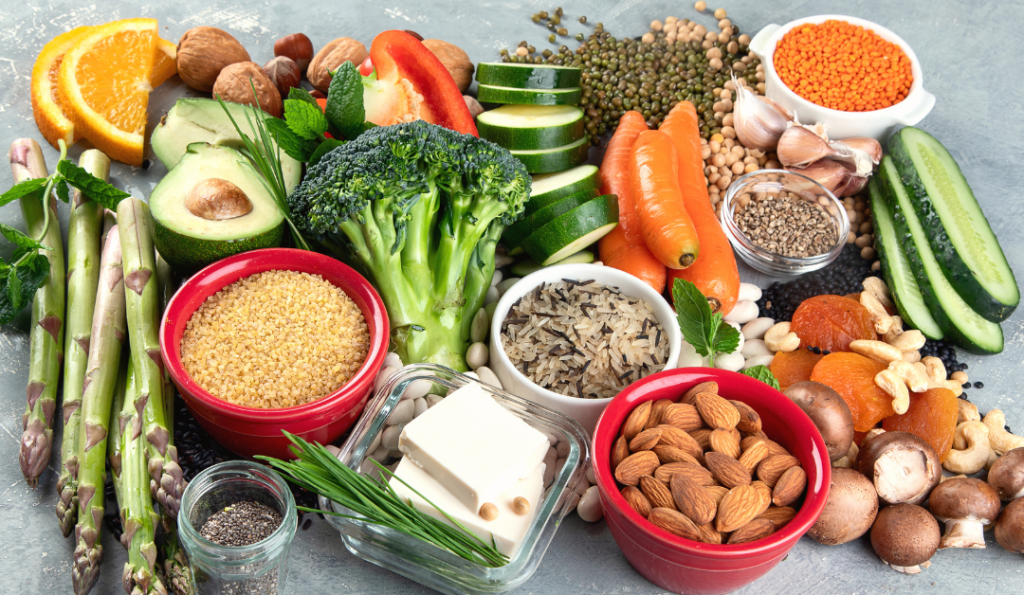
Some of the most popular plant-based superfoods include:
- Chia seeds: These tiny seeds are packed with omega-3 fatty acids, fiber, and protein, making them a staple in plant-based diets for supporting heart health and digestion.
- Spirulina: This blue-green algae is considered a complete protein, containing all nine essential amino acids. It is also a rich source of iron, B vitamins, and antioxidants.
- Acai berries: Known for their high levels of antioxidants, fiber, and healthy fats, acai berries are often used in smoothies, bowls, and desserts for their vibrant color and health benefits.
- Moringa: Often referred to as the “miracle tree,” moringa is a powerhouse of vitamins A, C, and E, and is known for its anti-inflammatory and immune-boosting properties.
- Kale: This dark leafy green is rich in vitamins K, A, and C, and is often celebrated for its ability to support bone health, reduce inflammation, and promote detoxification.
These superfoods are nutrient-dense and provide essential micronutrients and macronutrients that support optimal health on a plant-based diet.
III. The Intersection of Plant-Based Diets and Superfoods
3.1. Enhancing Nutritional Density with Plant-Based Superfoods
One of the key benefits of incorporating plant-based superfoods into your diet is the ability to enhance nutritional density while maintaining a low-calorie and fiber-rich diet. Plant-based superfoods are an excellent way to pack more nutrients into every meal, without relying on processed foods or animal-derived products. By including superfoods in your plant-based meals, you can ensure that your body receives the full spectrum of vitamins, minerals, and phytonutrients that it needs to thrive.
For example, a smoothie made with spinach, acai, chia seeds, and almond milk can provide a rich source of vitamin C, omega-3 fatty acids, iron, and antioxidants, all in a single meal. Similarly, a grain bowl featuring quinoa, avocado, roasted sweet potatoes, and moringa can provide a balanced combination of plant protein, healthy fats, and micronutrients.
3.2. Boosting Gut Health and Immunity
The high levels of fiber found in many plant-based superfoods—such as chia seeds, flaxseeds, and beans—help support healthy digestion and gut health. Fiber acts as a prebiotic, feeding beneficial gut bacteria and promoting the growth of a diverse microbiome. A healthy gut is critical for immune function, as a large portion of the body’s immune cells are housed in the digestive tract.
Furthermore, plant-based superfoods like ginger, turmeric, and garlic have natural anti-inflammatory and immune-boosting properties. These superfoods can help strengthen the immune system, reduce inflammation, and protect against chronic diseases.
3.3. Promoting Heart Health and Reducing Inflammation
The anti-inflammatory and antioxidant properties of plant-based superfoods are particularly beneficial for cardiovascular health. Foods like flaxseeds, chia seeds, and walnuts are high in omega-3 fatty acids, which have been shown to reduce cholesterol levels, lower blood pressure, and decrease the risk of heart disease.
In addition, berries like blueberries, blackberries, and strawberries are loaded with antioxidants, which help fight oxidative stress and inflammation—key factors in the development of heart disease, diabetes, and other chronic conditions.
IV. The Future of Plant-Based Superfoods
4.1. Trends in Plant-Based Superfood Innovation
As the demand for plant-based products continues to rise, so does innovation in the plant-based superfood market. New plant-based ingredients are constantly being explored, and products that blend multiple superfoods are becoming increasingly popular. From plant-based protein powders to ready-to-eat meals and snacks, there is no shortage of opportunities for consumers to incorporate superfoods into their everyday routines.
Additionally, the rise of sustainable agriculture and the increasing focus on regenerative farming practices may make plant-based superfoods even more accessible and sustainable. As more companies and farmers adopt environmentally responsible practices, the availability of plant-based superfoods will likely increase, making them more affordable and widely available.
Conclusion
Plant-based superfoods are revolutionizing the way we think about nutrition, sustainability, and our connection to food. As the plant-based movement continues to grow, the popularity of superfoods will only increase, offering consumers more nutrient-dense options for maintaining a healthy lifestyle. By incorporating these powerful foods into our diets, we can not only improve our health but also contribute to a more sustainable, eco-conscious food system.
The intersection of plant-based eating and superfoods represents a future where health, sustainability, and taste converge, creating a world where delicious and nutritious food is accessible to all.