









Introduction: South American Ingredients Entering the Global Culinary Scene
In recent years, South American ingredients have made a significant leap from regional specialties to global culinary phenomena. Ingredients like chia seeds, purple corn, and quinoa are now widely used around the world, having evolved from obscure local crops to vital components in both health-conscious diets and high-end restaurants. These superfoods, which were once primarily cultivated in the rural heartlands of South America, are now valued for their unique flavors, impressive nutritional profiles, and versatility in the kitchen.
In this article, we will explore how these South American ingredients—chia seeds and purple corn in particular—have found their place in global food markets, delving into their historical roots, nutritional benefits, culinary applications, and their rise to prominence in the global food system.
1. Chia Seeds: From Ancient Superfood to Global Health Trend
A. Historical Significance of Chia Seeds
Chia seeds (Salvia hispanica) have been cultivated in South and Central America for thousands of years. The ancient Aztecs and Mayans used chia seeds as an essential part of their diet, appreciating the seeds’ ability to provide sustained energy. The word “chia” is derived from the Nahuatl language, meaning “strength”, reflecting its importance as a nutritional powerhouse in ancient cultures. For these early civilizations, chia was not only a food source but also a sacred offering in religious ceremonies.
The seeds were valued for their ability to improve stamina, particularly for warriors and travelers. They were used in a variety of forms—ground into meal, mixed with water for a refreshing drink, or incorporated into food for energy. With the arrival of European colonization, chia’s cultivation declined, but the seed remained integral to indigenous diets in regions such as Mexico, Guatemala, and Argentina.
B. Nutritional Profile and Health Benefits
Chia seeds have gained immense popularity in recent years due to their outstanding nutritional profile. As a superfood, chia is rich in omega-3 fatty acids, protein, fiber, and antioxidants, making it a highly versatile ingredient for modern health-conscious diets.
- High in Omega-3 Fatty Acids: Chia seeds are one of the richest plant-based sources of omega-3 fatty acids, essential for heart health and cognitive function.
- Excellent Source of Fiber: With about 11 grams of fiber per ounce, chia seeds promote digestive health and can help regulate blood sugar levels.
- Complete Protein: Chia seeds contain all nine essential amino acids, making them a high-quality plant-based protein source.
- Rich in Antioxidants: Chia seeds are packed with antioxidants like flavonoids and phenolic compounds, which help combat oxidative stress in the body.
- Minerals and Vitamins: Chia is a good source of important minerals such as calcium, magnesium, and iron, supporting bone health, muscle function, and overall vitality.
These benefits have helped chia seeds break into mainstream markets, particularly in the health food sector. Today, they can be found in everything from smoothies and energy bars to bakery products, puddings, and vegan snacks.
C. Chia’s Global Rise and Culinary Innovation
As global interest in health and wellness grows, chia seeds have made their way from traditional diets to modern kitchens around the world. In North America and Europe, they are widely used in the production of gluten-free products, plant-based milks, and health-conscious snacks.
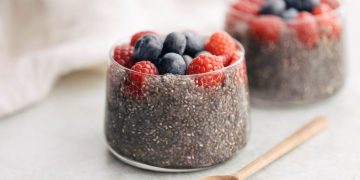
Chefs and food manufacturers have embraced chia’s versatility, incorporating it into salads, yogurts, baked goods, and beverages. One of the most popular ways to consume chia is by making chia pudding, a simple yet nutrient-packed dish that has become a staple of plant-based breakfasts and dessert menus.
Moreover, chia seeds have found their place in the gourmet world, where they are used in upscale restaurants as an ingredient in fine-dining dishes, often paired with fresh fruit or sauces that enhance their natural flavor and texture. Their ability to absorb liquids and form a gel-like consistency makes them an ideal component in both savory and sweet dishes.
2. Purple Corn: A Nutrient-Dense Ancient Crop
A. The Origins of Purple Corn
Purple corn (Zea mays purpurea) is an ancient variety of corn native to the Andean region of South America, where it has been cultivated for thousands of years. It was a staple food for indigenous peoples, particularly in modern-day Peru, Bolivia, and Ecuador, who used the corn in a variety of traditional dishes and beverages. One of the most popular traditional uses of purple corn is in the preparation of chicha morada, a non-alcoholic beverage made by boiling the corn with spices and fruits, which is still a popular drink in many South American countries.
The rich, purple color of this corn comes from a class of powerful antioxidants known as anthocyanins, which are responsible for the purple, blue, and red colors in fruits and vegetables. These anthocyanins are also found in other purple foods like blueberries, blackberries, and red cabbage, and they offer numerous health benefits.
B. Health Benefits of Purple Corn
Purple corn is a nutritional powerhouse, packed with unique compounds that contribute to its popularity in health-focused markets. The key health benefits include:
- Rich in Anthocyanins: The purple corn is high in anthocyanins, which have been shown to have anti-inflammatory, anti-cancer, and anti-aging properties.
- Promotes Heart Health: Studies suggest that the antioxidants in purple corn can help lower cholesterol levels and reduce the risk of heart disease.
- Supports Healthy Digestion: Like many whole grains, purple corn is high in dietary fiber, which supports digestive health and helps regulate blood sugar levels.
- Rich in Essential Minerals: Purple corn contains calcium, magnesium, and zinc, which are vital for bone health, muscle function, and immune system support.
- Anti-Cancer Potential: Research has shown that the antioxidants in purple corn may help reduce the risk of certain types of cancer by fighting oxidative stress and promoting cell health.
The high levels of antioxidants and other micronutrients in purple corn make it an ideal ingredient for health-conscious individuals looking for natural ways to boost their well-being.
C. Purple Corn in Global Markets
Although purple corn has been a central part of Andean diets for centuries, it is only in recent years that it has gained attention in global food markets. The rise of superfoods and the growing trend toward health-conscious eating have driven demand for unique, nutrient-dense ingredients like purple corn.
International food companies have begun to incorporate purple corn into a variety of products, including snacks, beverages, and supplements. Some health-conscious brands are even producing purple corn flour for baking, which is a gluten-free alternative to traditional flours. The vibrant color of the corn is also used in the production of natural food dyes, which are gaining popularity as consumers seek cleaner, more natural alternatives to synthetic colorants.
Purple corn’s rich color and health benefits have also made it an appealing ingredient for chefs and food innovators. It is used in gourmet recipes, often paired with other exotic ingredients to create visually striking and nutrient-rich dishes. Purple corn tortillas, for instance, are a unique twist on a traditional staple, offering not only a healthier option but also a burst of color that enhances the dining experience.
3. The Economic Impact of South American Superfoods
A. Expanding the Reach of South American Ingredients
The globalization of ingredients like chia seeds and purple corn is having a significant impact on the economies of South American countries. Farmers in countries like Peru, Bolivia, and Ecuador are increasingly cultivating these crops for export, taking advantage of the growing global demand for superfoods.
For example, Peru is the world’s largest exporter of purple corn, while Argentina and Mexico are major suppliers of chia seeds. This growing international market provides economic opportunities for local farmers and boosts the agricultural economies of these countries. Additionally, the demand for these crops supports the development of more sustainable farming practices, which benefits both the environment and the local communities.
B. Challenges and Opportunities for Farmers
While the rise of superfoods has created economic opportunities, it has also presented challenges for farmers. The demand for high-quality crops like chia seeds and purple corn has led to the need for sustainable farming practices that protect the environment, reduce water usage, and avoid pesticide overuse. Additionally, some farmers struggle with the volatility of the international market, as the prices of superfoods can fluctuate based on global trends.
To meet these challenges, many organizations are working to support farmers with access to better resources, fair trade initiatives, and knowledge of sustainable agricultural techniques. These efforts help ensure that the economic benefits of the superfood boom are equitably distributed while preserving the natural environment.
4. The Cultural Significance of South American Ingredients
The rise of ingredients like chia seeds and purple corn has also brought cultural attention to South American culinary traditions. These ingredients are not just nutritional powerhouses but also carriers of cultural identity. They represent the culinary heritage of indigenous South American peoples and their deep relationship with the land.
As these ingredients make their way into global kitchens, they bring with them stories of ancient agricultural practices, traditional recipes, and sustainable food systems. This cultural exchange helps foster a deeper appreciation for the diverse foodways of South America and the people who have cultivated them for millennia.
Conclusion: The Future of South American Ingredients in the Global Culinary Landscape
The rise of South American ingredients like chia seeds and purple corn highlights a growing interest in unique, nutrient-dense foods that are deeply rooted in tradition yet well-suited to modern, global diets. These ingredients have not only captured the attention of health-conscious consumers but also inspired chefs, food manufacturers, and entrepreneurs to explore the rich culinary diversity of South America.
As demand for these superfoods continues to grow, they will likely continue to shape the future of the global food industry. For South American farmers, the international recognition of these ingredients provides a new avenue for economic growth, while consumers around the world gain access to foods that are not only good for their health but also carry with them a rich cultural history.
In the coming years, we can expect to see even more South American ingredients making their way into the mainstream, as global tastes continue to evolve and consumers become more curious about the diverse and flavorful food cultures of South America. The rise of chia seeds, purple corn, and other unique ingredients marks the beginning of a new chapter in the globalization of flavors, one that celebrates both the past and the future of food.