









Introduction: A Renaissance of Mediterranean Cuisine in Southern Italy
Southern Italy, with its rich history, vibrant culture, and diverse culinary heritage, has become a central hub for the exploration and celebration of Mediterranean flavors. Known for its stunning landscapes, sun-soaked coastlines, and fertile soil, this region has always been a cradle for some of the world’s most iconic ingredients—olive oil, tomatoes, fresh seafood, citrus fruits, and cheeses.
Over the last few decades, southern Italy has reclaimed its position as the epicenter of Mediterranean culinary innovation. Once overlooked in the global food scene, the southern Italian regions of Sicily, Puglia, Campania, and Calabria are now being celebrated for their sustainable farming practices, high-quality ingredients, and traditional cooking techniques, while simultaneously embracing modern culinary trends.
This article delves into the factors driving this resurgence, examining the historical roots of southern Italian cuisine, its nutritional benefits, and the ways in which it is being modernized and integrated into global food culture.
1. The Rich History of Southern Italian Cuisine
A. Cultural Melting Pot: The Influence of Ancient Civilizations
Southern Italy’s food culture is deeply influenced by centuries of foreign invasions, trade, and cultural exchange. Each wave of colonization left its mark, creating a culinary melting pot that is both diverse and dynamic.
- Greek Influence: The ancient Greeks were among the first to settle in the southern Italian peninsula, leaving behind a culinary legacy that still endures. The introduction of olive trees, fennel, and grapes—all staples of the Mediterranean diet—shaped the region’s agricultural landscape. Greek methods of preserving food in olive oil have remained a hallmark of southern Italian cuisine.
- Roman and Arab Influence: The Romans and Arabs further expanded the culinary repertoire of southern Italy, introducing ingredients like citrus fruits, spices (such as saffron), and sugar. The Arabs, in particular, played a significant role in shaping Sicilian cuisine, infusing it with flavors that are still evident today, from the use of almonds to the development of iconic pastries like cannoli.
- Spanish and Norman Legacy: The Spanish, who ruled southern Italy for centuries, brought new ingredients like tomatoes (which would later become a staple of Italian cuisine), chocolate, and corn. The Norman and French influence further enriched the region’s culinary traditions, particularly in the realm of pastry making and the introduction of cheeses like ricotta.
These influences converged to form the foundation of the vibrant, flavor-packed cuisine that defines southern Italy today.
2. The Core Ingredients of Southern Italian Cuisine
A. The Heart of the Mediterranean Diet
The Mediterranean diet, hailed for its health benefits, is synonymous with southern Italy. Emphasizing fresh, seasonal ingredients, healthy fats, whole grains, lean proteins, and vegetables, the Mediterranean diet is often described as a model for healthy eating.
Southern Italy stands at the heart of this diet, offering an array of ingredients that are nutrient-dense, flavorful, and sustainable. The region’s food is characterized by simplicity, where freshness and seasonality reign supreme.
Key ingredients in southern Italian cuisine include:
- Olive Oil: Southern Italy, especially regions like Puglia and Calabria, is home to some of the finest olive oils in the world. The region’s vast olive groves produce oil that is rich in monounsaturated fats, antioxidants, and anti-inflammatory compounds. Olive oil is a central ingredient in everything from pasta sauces to salads and even desserts.
- Tomatoes: Southern Italy is famous for its San Marzano tomatoes, which are grown in the volcanic soils near Mount Vesuvius. These tomatoes are known for their sweet, rich flavor and are used in everything from pasta sauces to pizza. Sicilian tomatoes and cherry tomatoes are also prized for their superior taste.
- Seafood: The Mediterranean Sea provides an abundance of fresh seafood, making it a key feature of southern Italian cuisine. Anchovies, sardines, octopus, and sea bass are just a few examples of the diverse and sustainable fish species that make their way into dishes like pasta alle vongole (pasta with clams) and pesce al forno (baked fish).
- Cheese: Southern Italy is home to a variety of world-renowned cheeses, such as mozzarella di bufala (buffalo mozzarella) from Campania and pecorino from Sardinia. These cheeses are integral to dishes like pizza, lasagna, and caponata, a Sicilian vegetable stew.
- Citrus Fruits: The region’s warm climate makes it ideal for growing lemons, oranges, and grapefruits, which are used not only in salads, desserts, and juices, but also in savory dishes and sauces.
- Herbs and Spices: The use of fresh herbs such as basil, oregano, and rosemary defines the flavor profiles of many southern Italian dishes. Additionally, garlic, chili peppers, and cumin (introduced by the Arabs) give southern Italian food its characteristic bold, aromatic flavors.
3. The Resurgence of Southern Italy in Global Culinary Trends
A. The Rise of “Slow Food” and Sustainable Eating
As the world turns its attention to healthier eating and sustainability, southern Italy is being rediscovered as a beacon of sustainable culinary practices. The region’s emphasis on local, seasonal ingredients, small-scale farming, and traditional food preservation techniques is being embraced by a new generation of food lovers.
The Slow Food Movement, which began in Italy in the 1980s, has found a strong following in southern Italy, where local food producers and chefs emphasize quality over quantity and authenticity over mass production. This movement highlights the importance of maintaining traditional farming and culinary methods, while rejecting industrialized, mass-produced food.
In particular, the emphasis on regional cuisines—with their deep connections to the land and local foodways—has helped bring southern Italy’s culinary traditions back into the spotlight. This is reflected not only in fine dining establishments but also in the agro-tourism sector, where visitors can experience the region’s unique food culture firsthand.
B. The Mediterranean Diet as a Global Trend
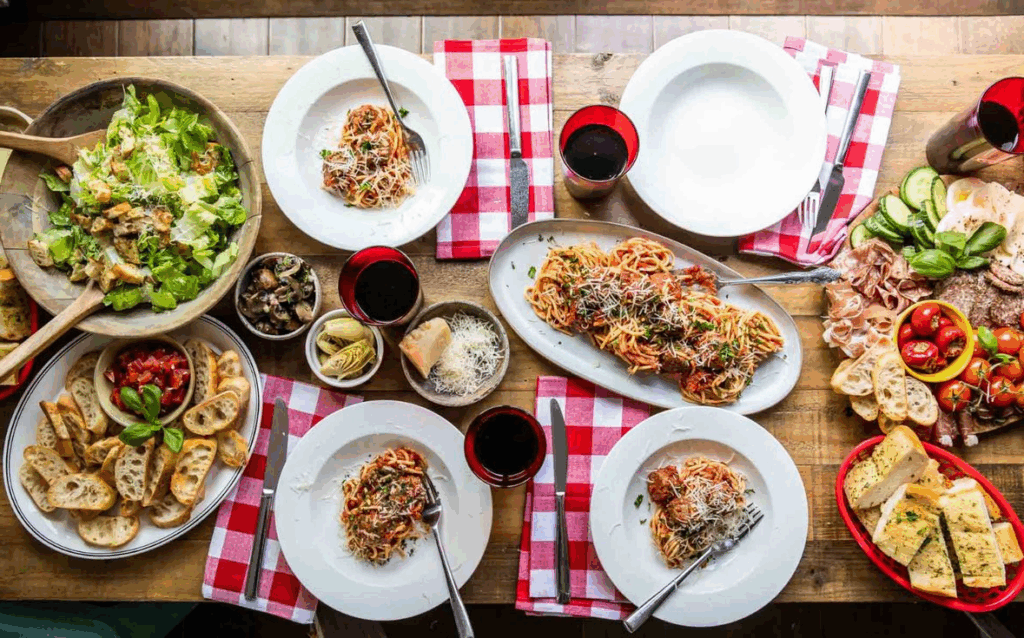
The Mediterranean diet has experienced a resurgence in recent years, as people around the world seek health-conscious, plant-forward, and sustainable eating patterns. Southern Italy is at the heart of this movement, with its reliance on vegetables, whole grains, legumes, olive oil, and fish. The diet is considered to be one of the healthiest in the world, promoting heart health, longevity, and overall well-being.
As the global demand for Mediterranean foods grows, ingredients from southern Italy have found their way onto the menus of Michelin-starred restaurants, grocery stores, and health food shops around the world. Chefs and food innovators are now drawing inspiration from the region, bringing southern Italian flavors to the forefront of the global food scene.
4. Southern Italy as a Culinary Destination
A. World-Class Gastronomy
Southern Italy has become a culinary destination for food lovers from around the world. With its combination of stunning landscapes, rich history, and exceptional cuisine, regions like Sicily, Puglia, and Campania have emerged as top destinations for gastronomic tourism.
Restaurants in southern Italy are gaining recognition for their ability to combine traditional flavors with contemporary techniques. Chefs are reinterpreting classic dishes like pasta alla Norma, arancini, and caprese salad by incorporating innovative ingredients and modern presentation styles. Sicilian desserts, such as cassata and cannoli, are also being given a contemporary twist by local pastry chefs.
In addition to fine dining, southern Italy’s food markets, festivals, and artisanal food producers are attracting visitors who want to experience the region’s food culture up close. From the bustling markets of Palermo to the olive oil mills of Puglia, the region offers an authentic culinary experience that is unmatched.
B. A Future of Sustainability and Innovation
The future of southern Italy’s culinary influence is bright. As the region continues to celebrate its traditional foods and embrace new culinary trends, it will undoubtedly remain a key player in the global food scene. By continuing to champion sustainable farming practices, locally sourced ingredients, and food innovation, southern Italy is well-positioned to lead the way in shaping the future of Mediterranean cuisine.
Conclusion: A Culinary Rebirth for Southern Italy
Southern Italy is experiencing a culinary renaissance, with its rich food culture being celebrated both locally and globally. From its ancient agricultural practices to its innovative chefs and sustainable food systems, the region is reaffirming its place as the epicenter of Mediterranean cuisine. As southern Italy continues to inspire chefs and food lovers worldwide, its culinary legacy will undoubtedly continue to thrive for generations to come.