









Introduction: The Evolution of Plant-Based Cuisine
In recent years, the world of plant-based cuisine has transitioned from a niche dietary choice focused solely on health to a dynamic culinary movement that emphasizes aesthetics, creativity, and sensory pleasure. No longer confined to vegan or vegetarian circles, plant-based dishes have found a home in the world’s most prestigious restaurants, art galleries, and culinary exhibitions. The appeal of plant-based cooking now extends far beyond the pursuit of a healthy lifestyle. It is being embraced as an art form that offers an immersive, multi-sensory dining experience.
This article delves into the rise of plant-based cuisine as a luxury and artistic movement, exploring its evolution from health-focused meals to aesthetically-driven and experiential dining. We will examine how plant-based dishes have become a central theme in fine dining, art exhibitions, and cultural experiences, and how chefs and artists are creatively pushing the boundaries of what plant-based food can represent.
1. From Health to Aesthetics: Shifting Perspectives on Plant-Based Eating
A. The Health Revolution
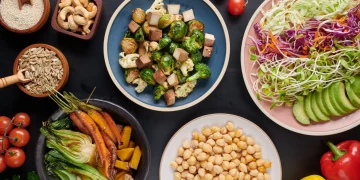
For decades, plant-based eating has been associated with health and sustainability. Veganism, vegetarianism, and whole-food plant-based diets have been celebrated for their health benefits, including improved digestion, reduced risk of chronic diseases, and better environmental outcomes. As more people adopted plant-based diets in response to concerns about climate change, animal welfare, and personal health, plant-based foods gained traction.
However, as this dietary trend became mainstream, a transformation occurred. Plant-based food moved beyond simply a health choice to an opportunity for artistic and culinary expression. The new wave of plant-based cuisine no longer needs to be associated with simple, functional meals; it is now about crafting experiences, presenting visually striking dishes, and evoking emotions through taste and texture.
B. The Role of Aesthetics in Food Culture
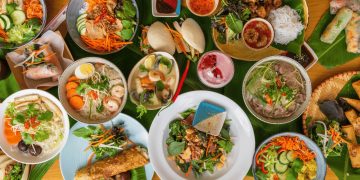
The concept of food as aesthetic expression is not new—chefs, particularly in haute cuisine, have long considered presentation as part of the dining experience. However, in recent years, the emphasis on plant-based food has intensified the visual element. In high-end restaurants and art installations, the presentation of plant-based dishes is now seen as integral to the experience of the food itself. The color, texture, and arrangement of the ingredients play a crucial role in shaping how diners perceive and enjoy the dish.
A plant-based meal, especially in the context of fine dining, is often regarded as a multi-sensory journey, involving not only the taste of the food but also its appearance, aroma, sound, and even the way it makes us feel. The dish can evoke a sense of sophistication, celebration, and creativity, elevating plant-based cuisine to a form of culinary art.
2. Plant-Based Cuisine in Fine Dining: A New Era of Culinary Innovation
A. Fine Dining’s Embrace of Plant-Based Cooking
Traditionally, meat-based dishes have reigned supreme in the world of fine dining, with luxurious cuts of beef, lamb, or foie gras serving as the centerpiece of gourmet meals. However, in recent years, the culinary landscape has shifted, and plant-based cuisine has gained prominence in the kitchens of top chefs around the world.
In many Michelin-starred restaurants, plant-based dishes are no longer just side options for vegetarians—they are now being celebrated as standalone creations. Renowned chefs are embracing plant-based ingredients not as substitutes but as star players in their own right, often pushing the limits of what we expect from plant-based cooking. For example:
- Noma in Copenhagen, known for its innovative Nordic cuisine, has introduced a vegetable-heavy tasting menu, showcasing the versatility of local, seasonal plants in stunning presentations.
- Eleven Madison Park, a New York-based Michelin-starred restaurant, transitioned to an entirely plant-based menu in 2021, challenging traditional fine dining concepts and creating artful dishes that celebrate vegetables, grains, and legumes.
- Gaggan Anand, an award-winning chef, integrates Indian spices and plant-based cooking techniques to craft culinary masterpieces that are visually stunning and packed with flavor.
Chefs are using plants to recreate traditional textures, flavors, and forms that were once associated with meat and dairy, often with surprising results. Plant-based seafood, for example, mimics the texture of fish, while plant-based “cheeses” capture the richness of dairy without using animal products. Molecular gastronomy techniques are also being applied to plant ingredients to create new textures, such as plant-based foams, gels, and powders, adding complexity to the dining experience.
B. The Art of Presentation
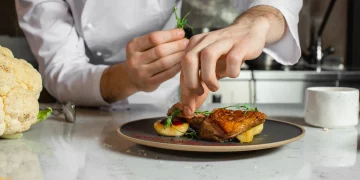
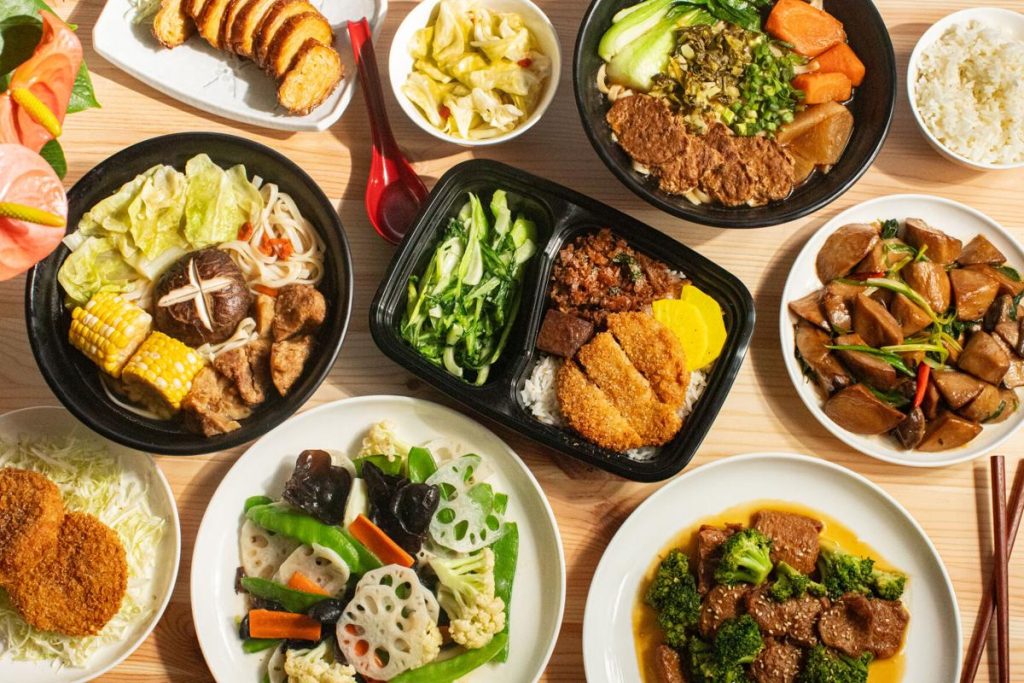
In high-end plant-based cooking, presentation is as important as flavor. The visual appeal of a dish is a fundamental part of its identity. Plating techniques, which include elements like edible flowers, foams, and artistic garnishes, transform plant-based dishes into works of art. Each ingredient is carefully chosen not only for its flavor but also for its color, shape, and texture, contributing to an overall aesthetic vision.
For example, roasted beets can be served as delicate rose petals, squash blossoms might be used as edible centerpieces, and carrot ribbons can be artistically arranged to mimic the appearance of a flower. These dishes are designed to stimulate not only the taste buds but also the eyes, creating an immersive dining experience.
C. Sensory and Experiential Dining
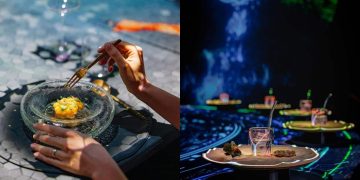
Plant-based meals at upscale restaurants are increasingly being crafted to engage all of the senses. For example, aromatherapy, soundscapes, and visual displays are used to complement the food, creating a full sensory experience that surrounds the diner. A dish might be accompanied by a carefully chosen playlist that reflects the emotional tone of the meal, or it might be served alongside a sensory presentation that activates touch or sound in the dining environment.
This type of experiential dining elevates plant-based cuisine to an entirely new level, making it not only a meal but also an experience that can elicit emotions and stimulate conversation. It becomes clear that plant-based dishes are no longer simply a matter of nourishing the body; they are a means of expressing art, culture, and personal identity.
3. Plant-Based Cuisine and Art: When Food Meets Culture
A. Plant-Based Art Exhibitions
The intersection of food and art has gained traction, particularly in contemporary art exhibitions where plant-based ingredients are used as both medium and subject. At the forefront of this movement is food as conceptual art—dishes that not only nourish but also provoke thought and dialogue about identity, culture, sustainability, and humanity’s relationship with food.
For example, food artist and chef David C. Katz, whose works often use plant-based ingredients, has staged exhibitions where food becomes a site-specific installation. The audience can interact with the food in both culinary and artistic contexts, often exploring issues related to sustainability and environmental awareness.
Other examples include exhibitions where edible plants are presented as sculptures or where interactive food installations invite guests to explore the cultural significance of plant-based ingredients. In these art spaces, food is not just something to consume but something to experience and reflect upon.
B. Food as a Medium of Expression
Plant-based cuisine has transcended its culinary roots and has become a form of artistic expression in the broader cultural sphere. Chefs and artists alike are using food as a tool to communicate messages about the environment, social justice, and the interconnectedness of life.
A prominent example is Dan Barber, the chef-owner of Blue Hill at Stone Barns in New York, whose work advocates for the sustainability and ethical sourcing of ingredients. Barber has explored the moral implications of food production and the role of plant-based ingredients in achieving a more sustainable food system.
4. The Future of Plant-Based Cuisine: Aesthetic Evolution
A. Continued Innovation in Culinary Technique
The future of plant-based cuisine in high-end restaurants and art installations will likely see even more cutting-edge innovation. Advances in plant-based food technology, such as lab-grown meat and 3D printing, are likely to push the boundaries of what can be achieved in terms of flavor and texture.
These technologies will not only affect traditional plant-based dishes but will also create new forms of plant-based gastronomy that blend art, science, and culinary creativity.
B. Cross-Disciplinary Collaboration
As the world of plant-based cuisine continues to evolve, collaborations between chefs, artists, environmentalists, and scientists will become more prominent. These partnerships will aim to create culinary experiences that not only please the senses but also contribute to the global conversation about sustainability, culture, and health.
C. The Integration of Plant-Based Dining into the Mainstream
While plant-based dishes continue to thrive in upscale settings, there is growing interest in mainstream plant-based dining. As health-conscious consumers demand more plant-based options, restaurants of all calibers—from fast food chains to fine dining establishments—are incorporating plant-based offerings into their menus.
In the future, plant-based cuisine will likely evolve into a core aspect of the global food culture, as it balances flavor, aesthetic pleasure, and environmental consciousness.
Conclusion: A New Era of Plant-Based Dining
The rise of plant-based cuisine in high-end restaurants and art exhibitions signifies a profound shift in how we think about food. What was once viewed solely as a healthy lifestyle choice has now become a dynamic, artistic expression that blurs the lines between gastronomy and visual art.
As plant-based cuisine continues to evolve, it will likely continue to shape the future of fine dining, art, and culture, offering diners not just a meal, but a sensory journey into the world of creativity, sustainability, and pleasure.