









Introduction: The Emergence of Flavor Innovation in Coffee, Chocolate, and Spirits
In the modern culinary landscape, innovation is not confined to traditional restaurants or experimental chefs alone. Over the past few years, there has been a significant shift in how brands approach flavor development across the food and beverage industry, especially in coffee, chocolate, and spirits. The race to create unique, bold, and unexpected flavors has become a fierce competition among some of the world’s most iconic brands. From spicy coffee blends to chili-infused chocolate, and even floral whiskey variations, companies are no longer content with merely perfecting traditional recipes. Instead, they are looking to push boundaries and craft multi-sensory experiences that attract adventurous consumers seeking novelty and excitement.
This growing trend of “flavor creation” is indicative of a larger shift in the food and beverage world, where consumer tastes are constantly evolving and becoming more complex. No longer is it enough to have a product that tastes good – now, brands must also be innovative and experimental, creating combinations that challenge traditional notions of flavor. As a result, coffee, chocolate, and spirits brands are embracing spicy, floral, smoky, and unexpected flavor profiles to engage consumers in new ways.
In this article, we will explore the ways in which these brands have ventured into the realm of flavor innovation. Specifically, we will look at the rise of spiced coffee, chili chocolate, and floral whiskey, examining the strategies behind their creation, the consumer reception, and the larger cultural and psychological implications of these flavor experiments.
Coffee: The Spice Revolution
1. The Evolution of Coffee Flavors
Coffee, one of the most beloved beverages worldwide, has always been associated with rich, earthy, and often bitter flavors. However, over the last few decades, a major transformation has taken place in how coffee is made, consumed, and enjoyed. The introduction of specialty coffee has allowed for a greater emphasis on single-origin beans, exotic brewing methods, and varied flavor profiles. Now, coffee drinkers are no longer content with a simple cup of coffee. Instead, they are demanding more complex, experimental, and diverse flavors that cater to a wide array of tastes.
The concept of flavor innovation in coffee reached a new level when brands started to experiment with spicy, herbal, and even floral infusions. Coffee companies began to infuse beans with a variety of spices and ingredients that had traditionally been used in desserts or savory dishes, such as cinnamon, cardamom, chili, and even lavender. These flavor additions offered consumers an exciting way to experience their favorite beverage in a completely new light.
2. Spicy Coffee: The New Trend
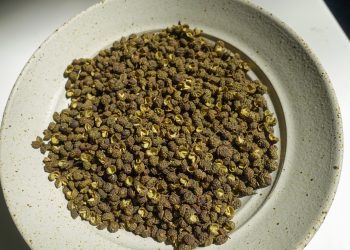
Among the most exciting innovations in coffee is the rise of spicy coffee blends. Coffee roasters are blending spices like cayenne pepper, chili flakes, and even Szechuan peppercorns with traditional coffee beans to create a flavor profile that excites the palate and stimulates the senses.
The introduction of spicy coffee can be traced back to the popularity of spiced drinks in cultures like Mexico and Ethiopia, where coffee is often combined with spices like cinnamon and cloves. More recently, however, brands like Café de Olla and Café Bustelo have expanded this tradition, using chili and pepper as the main flavor elements. The spicy kick not only elevates the coffee but also enhances its complexity, providing a combination of heat and richness that was previously unseen in the coffee world.
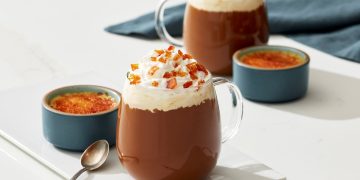
Moreover, coffee shops and brands have also experimented with flavored syrups that integrate spice notes into their beverages, creating spicy mochas, chili lattes, and even saffron-spiced brews. These innovative options allow consumers to explore new dimensions of flavor and texture in a cup of coffee, making it a luxury experience that transcends traditional brewing methods.
3. The Science Behind Spicy Coffee
The combination of spices and coffee is not just a random pairing; it is rooted in a deeper understanding of taste perception. The heat from spices like chili peppers triggers receptors in the mouth that react to capsaicin, the compound responsible for the sensation of spiciness. This, when combined with the rich bitterness and smoothness of coffee, creates an interesting contrast and dynamic tension between the flavors.
Furthermore, the aromatic compounds in coffee, which include floral, nutty, and earthy notes, interact uniquely with the spicy elements, producing a multifaceted flavor experience. This interplay between sweetness, bitterness, heat, and complexity contributes to the increasing popularity of spiced coffee and ensures that the trend is here to stay.
Chocolate: The Sweet and Spicy Frontier
1. The Evolution of Chocolate Flavors
For centuries, chocolate has been regarded as a rich, indulgent treat, but in recent years, the world of chocolate has witnessed a dramatic shift in flavor innovation. As with coffee, chocolate companies are exploring new ways to combine unexpected ingredients with cocoa, leading to an explosion of flavors that include salted caramel, lavender, and, most notably, spicy variations.
The trend of spicy chocolate began to gain traction in the early 2000s, largely driven by gourmet chocolate makers seeking to expand their product offerings. While Mexican chocolate, traditionally made with chili, cinnamon, and vanilla, has existed for centuries, more contemporary chocolate makers began experimenting with these flavors in dark chocolate to create sophisticated and unexpected pairings.
2. Chili Chocolate: The Spicy Revolution
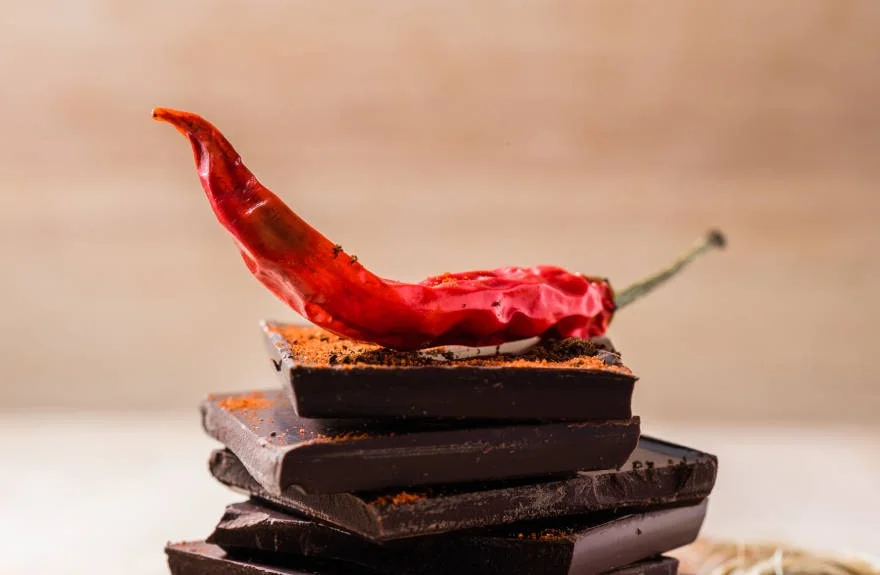
The concept of chili chocolate is one of the most successful innovations in the chocolate world. Brands like Lindt, Ghirardelli, and Theo Chocolate have embraced the trend, offering a range of dark chocolates that incorporate chili powder, cayenne, and even chipotle to create a bold, complex flavor profile. These chocolates are known for their ability to tantalize the tongue with the initial sweetness of chocolate, followed by the warming heat of chili, creating a sensation that is both comforting and exciting.
3. The Art of Flavor Pairing in Spicy Chocolate
The key to creating a successful spicy chocolate is balance. Chocolate’s richness and smooth texture must complement the heat of the chili, creating a harmonious contrast that does not overwhelm the palate. High-quality dark chocolate is often the base, as it offers the bitterness and depth needed to enhance the heat of the chili without overshadowing it.
Chocolate makers are increasingly experimenting with different varieties of chili, each contributing its own unique flavor notes. For example, Habanero brings a fruity heat, while Chipotle adds a smokier flavor, allowing consumers to experience a range of tastes and sensations within the same product.
Spirits: Floral, Bold, and Unexpected Flavor Profiles
1. The Rise of Floral Whiskey and Spirits
In the world of spirits, one of the most intriguing developments is the introduction of floral-infused whiskeys, gin, and vodka. Historically, spirits like whiskey were primarily associated with woodsy, smoky, and malty flavors, but modern distillers are now experimenting with the infusion of botanicals, flowers, and even herbs to create more complex, delicate, and aromatic spirits.
2. Floral Whiskey: A New Frontier
The trend of floral whiskey has gained momentum in recent years, with distilleries introducing whiskeys infused with flavors like rose, lavender, and chamomile. These flavors are typically added during the maturation process, where the whiskey is exposed to floral extracts or placed in barrels that have been infused with floral botanicals. This results in a whiskey that maintains its traditional warmth and richness but also carries an unexpected floral lightness that enhances the drinking experience.
Brands like The Botanist Gin and Scotch distillers have embraced this movement, creating whiskeys that are as much about flavor complexity as they are about the craftsmanship behind the distillation process.
3. The Impact of Floral and Botanical Spirits
The fusion of floral notes with the depth of spirits such as whiskey or gin appeals to consumers seeking more nuanced, sophisticated drinks. These botanicals can transform the experience of drinking, elevating it from a simple indulgence to a multi-sensory journey that engages the sense of smell, taste, and even sight.
Conclusion: A New Era of Flavor Innovation
The competition to create new flavors in coffee, chocolate, and spirits is an exciting frontier in the world of culinary innovation. As brands across these industries experiment with spices, flowers, and unconventional flavor pairings, they are redefining what it means to experience taste. From spicy coffees and chili chocolates to floral-infused spirits, these flavor innovations are allowing consumers to explore new sensory experiences, engage in more complex taste profiles, and deepen their relationship with their favorite beverages.
This flavor revolution is not only about novelty; it represents a broader shift in how we think about food and drink. As consumers demand more adventurous, personalized, and engaging experiences, brands will continue to push the envelope and create products that challenge our expectations, bringing a new sense of excitement to the world of coffee, chocolate, and spirits.