










Introduction: The Transformation of Plant-Based Cuisine
In the last decade, plant-based diets have evolved from being primarily a health-driven lifestyle choice or a dietary restriction into one of the most exciting frontiers in modern gastronomy. Once relegated to a niche segment of vegan and vegetarian eateries, plant-based food has moved firmly into the spotlight, embracing innovation and creativity at the highest levels of culinary artistry.
Today, top chefs around the world are elevating plant-based dishes to Michelin-star standards, creating gourmet experiences that challenge conventional perceptions of plant-based food. Where vegan and vegetarian meals were once seen as simple, bland, and restrictive, they are now viewed as platforms for chefs to experiment with flavors, textures, and presentation, creating exquisite dishes that rival their meat-based counterparts in complexity and sophistication.
In this article, we will explore how plant-based diets have been redefined and how top chefs have embraced this transformation, using plant-based ingredients not just as substitutes for animal products but as ingredients in their own right, deserving of celebration and innovation. We will also examine the cultural and economic factors driving this change, as well as the future of plant-based dining in a world that is increasingly focused on sustainability, health, and ethical eating.
The Rise of Plant-Based Diets: A Cultural Shift
1. The Growing Popularity of Plant-Based Eating
The global plant-based food trend has skyrocketed in recent years, driven by various factors, including increased awareness of health issues, environmental concerns, and ethical considerations regarding animal welfare. The plant-based movement has shifted from being a fringe or niche lifestyle choice to a mainstream phenomenon, with growing numbers of people choosing to adopt plant-based diets for reasons ranging from health benefits (such as lower cholesterol, reduced risk of heart disease, and improved digestion) to environmental sustainability (plant-based foods generally have a lower carbon footprint than meat) and ethical concerns (avoiding animal cruelty and factory farming practices).
The rise of plant-based alternatives such as plant-based meat and dairy substitutes like oat milk, almond milk, and cashew cheese has also made it easier for individuals to transition to a plant-based lifestyle without sacrificing the flavors and textures they love.
As a result, restaurants and food companies have responded with an ever-expanding range of plant-based options, creating an increasing demand for innovative ways to showcase plant-based ingredients in fine dining and gourmet cooking.
2. From Substitution to Innovation: The Shift in Perspective
Traditionally, plant-based dishes were often considered alternatives to animal-based foods, with chefs relying on the use of meat substitutes like tofu, tempeh, and seitan, or simple vegetable-based dishes such as salads or vegetable stews. However, over the past few years, this perception has begun to change.
The idea of using plant-based ingredients merely as a substitute has given way to a more creative approach, where plant-based foods are treated as the main event, celebrating the richness of vegetables, grains, legumes, and other plant-based ingredients. Today’s plant-based dishes are not just “vegan versions” of traditional meat-based meals but are unique creations in their own right, incorporating cutting-edge cooking techniques and global flavor influences.
This shift has allowed top chefs to redefine the plant-based dining experience, moving away from simple meat alternatives and toward an innovative approach that showcases the versatility and depth of plant-based ingredients.
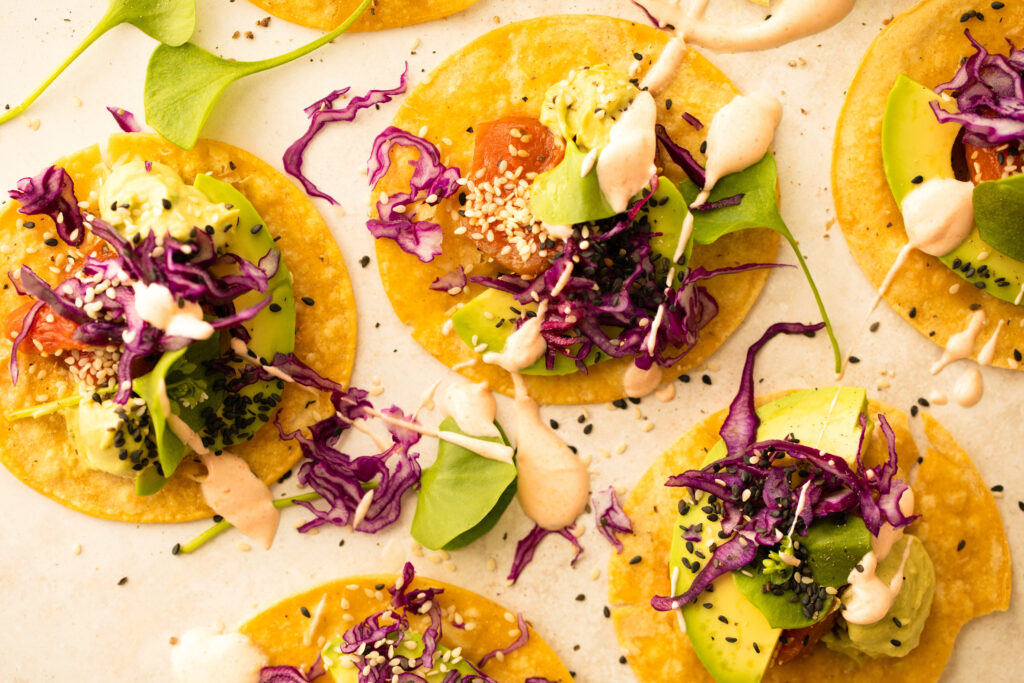
Top Chefs Leading the Plant-Based Revolution
1. Michelin-Star Chefs Embrace Plant-Based Dining
One of the most notable examples of the plant-based dining revolution is the rise of Michelin-starred restaurants that have embraced vegan and plant-based menus. Famous chefs like Alain Passard, Matthew Kenney, Rene Redzepi, and Dominique Crenn are leading the charge, creating menus that not only cater to vegans but also challenge traditional fine dining with creative and sophisticated plant-based offerings.
For instance, Alain Passard, the legendary French chef behind L’Arpège in Paris, has become a trailblazer in the plant-based movement by creating a menu that is heavily focused on vegetables. At his restaurant, vegetables are treated as the star ingredients, with innovative techniques like smoking, fermentation, and pickling used to create complex, multi-layered flavors that surprise and delight the diner. Passard’s commitment to vegetable-centric cuisine has earned him widespread recognition for redefining the possibilities of plant-based cooking at the highest level.
Similarly, Matthew Kenney, a renowned chef and restaurateur, has built an entire empire around plant-based fine dining. With restaurants like Plant Food + Wine and his culinary school, Kenney is making plant-based eating both luxurious and accessible. His work focuses on raw, living foods, and he is well known for his artistic presentation and innovative use of plant-based cheeses and gourmet ingredients.
2. Rene Redzepi and Noma’s Game-Changing Approach
Rene Redzepi, the celebrated chef behind the world-renowned Noma in Copenhagen, has taken plant-based dining to new heights with his experimental approach to foraging and using wild plants, herbs, and flowers in his dishes. Noma’s menus have often featured vegetables, seaweed, and other plant-based ingredients in creative ways, turning them into star elements of the dining experience.
Redzepi’s approach focuses on the seasonality of ingredients and the deep connection to the natural environment. By working with local farmers, foragers, and artisans, Noma is able to source ingredients that are often forgotten or undervalued, yet possess unique flavors that can be elevated to a new level in the hands of a talented chef.
Culinary Techniques in Plant-Based Cooking
1. Innovative Techniques Elevating Plant-Based Cuisine
Top chefs are not just relying on the ingredients themselves but are also employing cutting-edge culinary techniques to enhance plant-based dishes. Techniques such as sous-vide cooking, smoking, fermentation, and molecular gastronomy are being used to transform the textures and flavors of plant-based ingredients.
- Sous-Vide Cooking: This technique involves cooking food in a vacuum-sealed bag at low, precise temperatures. It allows for the preservation of nutrients and results in perfectly tender vegetables, grains, and legumes with concentrated flavors.
- Smoking: Smoking vegetables, such as eggplant, mushrooms, or tomatoes, can impart a rich, smoky flavor that mimics the depth of grilled meats, adding complexity to plant-based dishes.
- Fermentation: Fermented foods, like miso, tempeh, and kimchi, are rich in umami, the savory flavor that often leads to a meat-like taste, making them perfect for plant-based cooking.
- Molecular Gastronomy: Using gels, foams, and infusions, chefs are able to reimagine traditional plant-based ingredients, turning them into entirely new textures and flavor experiences.
These techniques have helped elevate plant-based cuisine, making it dynamic and refined, offering gourmet experiences that are far beyond simple vegetable dishes.
The Future of Plant-Based Dining: Sustainability, Health, and Culinary Innovation
1. Sustainability at the Forefront
As concerns about climate change, environmental degradation, and the ethics of animal farming grow, plant-based diets have become a central solution to sustainable eating. Unlike meat production, plant-based foods have a significantly lower carbon footprint, use fewer resources (like water and land), and contribute to the preservation of biodiversity. As the world continues to face environmental challenges, the demand for plant-based options is likely to increase, making plant-based dining a crucial part of the future of food.
2. Health and Wellness Trends
The rising popularity of plant-based eating is also tied to growing awareness of healthier lifestyles. Many consumers are opting for plant-based diets due to their lower cholesterol, healthier fat content, and ability to support weight management and heart health. As health-conscious consumers seek foods that are not only tasty but also nourishing, plant-based restaurants and chefs are positioning themselves as leaders in this growing sector.
Conclusion: Plant-Based Cuisine as an Artistic Medium
Plant-based dining has undergone a radical transformation, from being considered an alternative or restrictive diet to becoming a powerful medium for creative culinary expression. Top chefs around the world are leading this movement, showcasing plant-based ingredients in artistic, innovative, and sophisticated ways. As a result, plant-based cuisine is no longer simply about eliminating animal products—it has become an exciting and dynamic arena for chefs to explore new flavors, textures, and techniques that delight and surprise.
The future of plant-based cuisine looks bright, with sustainability, health, and culinary innovation driving the next wave of food experiences. As more people embrace plant-based living, the creativity and artistry of the chefs in this field will continue to push the boundaries of what is possible, turning plant-based food into a true culinary art form.