









The relationship between soil types and the growth and flavor characteristics of plants has long been a subject of scientific interest. From vineyards to vegetable gardens, the type of soil in which plants grow plays a crucial role in determining not just their size and health, but also their taste, texture, and overall quality. This article will explore the profound connection between soil composition, plant development, and flavor profiles, shedding light on how different soil types influence the sensory characteristics of the food we consume.
In recent years, there has been a growing interest in understanding the role of terroir, a term often used in viticulture to describe the unique environmental factors—soil, climate, and topography—that influence the flavor of crops, particularly wine grapes. However, the influence of soil on flavor extends beyond grapes to a wide range of crops, including vegetables, herbs, and fruits. Understanding the mechanisms behind this connection can help farmers optimize crop yield and quality, and provide consumers with a deeper appreciation of how soil impacts the food they eat.
This article will delve into how different soil types—such as sandy, clay, loamy, and peaty soils—can impact the growth rate, health, and flavor characteristics of plants. We will also examine how soil nutrients, pH levels, mineral content, and microbial activity all play a part in shaping the final product. By analyzing scientific research and real-world examples, we will explore how soil influences both agricultural practices and food culture.
1. Understanding the Basics of Soil and Plant Growth
Before diving into the specifics of how soil affects flavor, it’s essential to first understand the foundational relationship between soil and plant growth.
1.1 The Role of Soil in Plant Development
Soil is not only the medium in which plants grow, but it also provides critical resources that are necessary for their survival, including water, nutrients, and oxygen. The structure and composition of soil can influence the root system of plants, which in turn affects how effectively plants can absorb these resources.
- Water Retention: Some soils, like clay, are more adept at retaining water, while others, such as sandy soils, drain quickly. This can affect how plants access water, particularly during dry spells.
- Nutrient Content: Soil rich in essential minerals like nitrogen, phosphorus, and potassium supports plant growth. Soils that are deficient in these nutrients may lead to stunted growth or poor-quality crops.
- Soil pH: The acidity or alkalinity of the soil can influence the availability of certain nutrients. For example, acidic soils may limit the uptake of calcium and magnesium, while alkaline soils might reduce the availability of iron.
- Soil Microorganisms: The soil is teeming with microorganisms that play a pivotal role in nutrient cycling, decomposing organic material, and forming symbiotic relationships with plant roots to promote growth.
1.2 The Influence of Soil Texture on Plant Growth
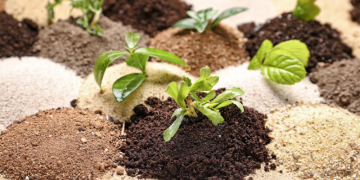
Soil texture refers to the proportion of sand, silt, and clay particles in the soil. These particles affect water retention, drainage, and root penetration, all of which contribute to plant health.
- Sandy Soils: These soils are light and well-draining, but they often lack nutrients because they have low water retention. While this can lead to a faster growing cycle for some plants, it can also result in nutrient deficiencies, requiring farmers to amend the soil with organic material or fertilizers.
- Clay Soils: These are dense and hold water well, making them ideal for moisture-loving plants. However, their compact nature can limit root growth, and they may require regular tilling or aeration.
- Loamy Soils: Loam is often considered the ideal soil type for most plants because it balances sand, silt, and clay. Loamy soils are well-draining yet retain sufficient moisture and nutrients for healthy plant growth.
- Peaty Soils: These soils are rich in organic matter and tend to be acidic. They can support specific plants like cranberries and bog plants, but they may require adjustments to pH for other crops.
The ideal soil texture for plant growth often depends on the specific plant species being cultivated and the environmental conditions in which they grow.
2. Soil and Flavor Profiles: The Role of Terroir
While the physical characteristics of soil are well-known for their impact on plant growth, a more intriguing area of study is how soil influences the flavor characteristics of plants. This connection is particularly noticeable in wine production, where the term terroir is frequently used to describe how the soil composition, climate, and topography of a region can affect the flavor of the wine produced from its grapes. But terroir isn’t just limited to wine; it can be observed in a variety of crops, from tomatoes to herbs to coffee.
2.1 Soil and Fruit Flavor
The mineral composition of soil, particularly the levels of calcium, magnesium, potassium, and phosphorus, can greatly influence the flavor profile of fruits. For instance, soil rich in calcium can enhance the sweetness and acidity balance of fruits, which is especially important for crops like grapes, apples, and citrus. Additionally, sulfur levels in the soil can impact the aromatic compounds in fruits, which are often crucial in determining the overall flavor complexity.
- Grapes: In Bordeaux, France, where gravelly soils are common, the resulting wines have a distinct earthy flavor, thanks to the minerals absorbed by the vine roots. Conversely, chalky soils tend to produce wines with more acidity and minerality, making the wines crisp and refreshing.
- Tomatoes: Tomatoes grown in volcanic soils often have a rich, intense flavor, as the minerals in the soil help produce a higher concentration of natural sugars and acids. This is why San Marzano tomatoes, grown in the volcanic soils of Mount Vesuvius, are considered some of the best-tasting tomatoes in the world.
2.2 Soil and Herb Flavor
Herbs are highly sensitive to their growing environment, and soil can significantly influence the intensity of their flavors and aromas. For example, basil grown in soils rich in phosphorus tends to produce leaves with a stronger, more aromatic scent, while rosemary grown in well-drained sandy soils often has a more potent flavor.
- Lavender: In calcareous soils (soils high in lime), lavender can develop a more pronounced floral fragrance, whereas in sandy soils, the lavender’s scent may be milder.
- Mint: Different soil types can also change the chemical composition of mint, affecting its menthol content and the overall freshness of its flavor.
2.3 Soil and Vegetable Flavor
Vegetables, too, are affected by soil type, with different minerals in the soil often enhancing or altering the flavor. Root vegetables like carrots and beets can develop distinct earthy flavors depending on the mineral and organic content in the soil.
- Carrots: In soils with high potassium levels, carrots tend to have a sweeter flavor, whereas those grown in soils with low potassium may have a more bitter taste.
- Beets: The mineral composition in the soil, particularly levels of iron, affects the intensity of beets’ sweetness and their earthy undertones.
3. The Impact of Soil pH on Plant Flavor
Soil pH, which measures the acidity or alkalinity of the soil, also plays a vital role in determining the flavor of the plants grown within it. Most plants thrive in slightly acidic soils (pH 6-7), but certain plants prefer more alkaline or acidic conditions, which can lead to unique flavor profiles.
- Blueberries: These fruits thrive in highly acidic soils, and the soil pH directly influences their tartness. Blueberries grown in acidic soils tend to have a more pronounced sour taste compared to those grown in neutral or alkaline soils.
- Tomatoes: The flavor of tomatoes can be influenced by slight variations in soil pH, with slightly acidic soils producing the best balance between sweetness and acidity.
4. The Science Behind Soil and Flavor: What Research Shows
Scientific studies have begun to explore in more depth how specific soil types, pH levels, and mineral contents affect the flavor compounds of various crops. Research on the interaction between soil chemistry and plant flavor compounds suggests that nutrient cycling, microbial communities, and the availability of water all play a role in shaping the final flavor profile of plants.
For example, a study published in the Journal of Agricultural and Food Chemistry found that grapes grown in soils with higher levels of calcium and magnesium produced wines with higher phenolic content, which is crucial for the development of complex flavors. Similarly, research on tomatoes has shown that the availability of nitrogen can influence the sugar-acid balance, which is essential for the sweetness and acidity of the fruit.
Conclusion: Soil as the Silent Flavor Creator
The influence of soil types on plant growth and flavor characteristics is a remarkable intersection of agriculture, science, and culinary arts. From the richness of terroir in wine production to the distinct flavors of herbs, fruits, and vegetables, soil composition is a silent but powerful creator of the sensory experiences we enjoy in food. As the world continues to explore sustainable and transparent agricultural practices, the deeper understanding of how soil shapes flavor will become even more critical in providing consumers with authentic, high-quality produce that celebrates the diversity of the natural world.