









Mexico City, known as CDMX (Ciudad de México), is a bustling metropolis that has earned the prestigious title of the “Culinary Capital of Latin America.” With its rich history, vibrant street food culture, and innovative fine dining scene, the city represents a melting pot of flavors, techniques, and traditions that span centuries. From traditional Mexican staples like tacos and tamales to cutting-edge gastronomic experimentation, Mexico City’s culinary offerings are a testament to its diverse cultural influences and culinary creativity.
This article explores why Mexico City has become a gastronomic mecca in Latin America, examining its culinary roots, food culture, notable chefs, and the unique fusion of traditional and modern approaches to cooking. By delving into the influences that shape the city’s food scene—such as indigenous ingredients, colonial history, and the globalization of cuisine—we can better appreciate how Mexico City has ascended to its prominent status in the world of food.
1. The Origins of Mexico City’s Culinary Identity
Mexico City’s food culture is deeply intertwined with its history and geography, which have shaped its cuisine over millennia. The area now known as Mexico City was once the heart of the mighty Aztec Empire, and the remnants of indigenous culinary practices still permeate the city’s food culture today.
1.1 Indigenous Foundations
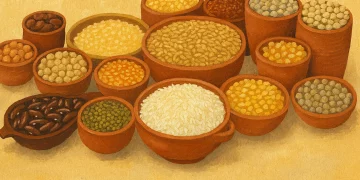
Before the arrival of Spanish colonizers in the 16th century, the Aztecs cultivated a diverse range of ingredients that are still foundational to Mexican cuisine. Staples such as corn, beans, chili peppers, and squash were integral to the daily diet of the Aztec people. These ingredients have survived centuries of change and remain at the core of Mexico’s food system today.
- Corn (or maize) is perhaps the most significant ingredient in Mexican cooking, often prepared in the form of tortillas, which are central to many meals, from tacos to quesadillas. Corn also gives rise to beverages such as atole and pozole (a traditional soup made from hominy).
- Chili peppers are the lifeblood of Mexican cuisine, providing heat, flavor, and complexity. With varieties like jalapeño, serrano, and habanero, chili peppers add distinctive notes to a wide array of dishes, from sauces like salsa to mole.
The culinary practices of the Aztecs, influenced by their agricultural methods and religious practices, have left a lasting legacy that resonates in the kitchens of Mexico City today.
1.2 The Colonial Influence
The arrival of the Spanish in the early 1500s marked a period of profound transformation for Mexican cuisine. Spanish settlers introduced new ingredients such as wheat, dairy, pork, and sugar, which were incorporated into indigenous dishes, resulting in a fusion of European and Mesoamerican culinary techniques.
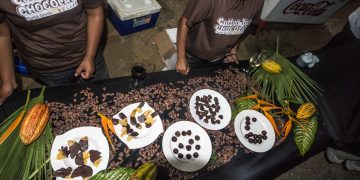
One of the most significant culinary innovations of the colonial period was the creation of mole, a rich, complex sauce made from ingredients such as chocolate, chili, and spices. Mole, which originated in Oaxaca, remains a hallmark of Mexican cuisine and can be found in restaurants throughout Mexico City.
This fusion of indigenous and European ingredients and techniques laid the foundation for the food culture that Mexico City would later become famous for, blending old-world flavors with new-world ingredients.
2. Mexico City’s Street Food Scene: A Taste of Tradition
One of the most defining features of Mexico City’s food culture is its vibrant street food scene, which offers an authentic, everyday taste of local life. Street vendors, or tianguis, line the streets of the city, selling an endless array of tacos, tamales, elotes (grilled corn), tortas (sandwiches), and other delicious bites. Street food in Mexico City is not just food—it’s a cultural experience that connects locals and visitors alike to the city’s deep culinary roots.
2.1 The Taco: Mexico’s Iconic Street Food
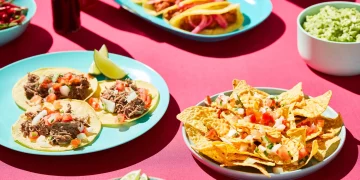
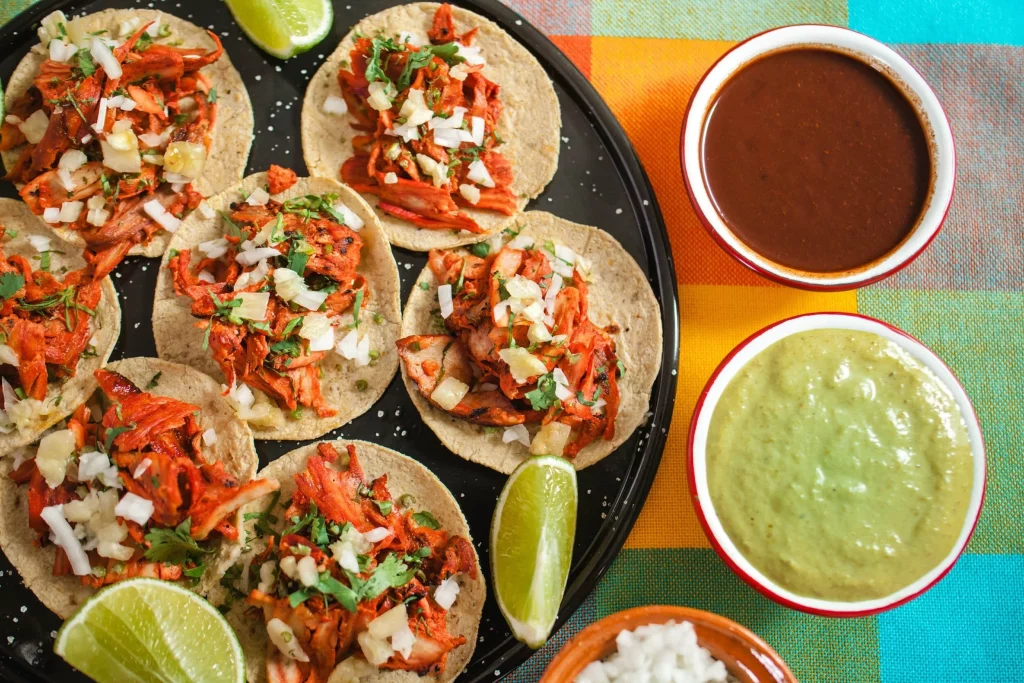
No discussion of Mexico City’s street food scene would be complete without mentioning the taco—arguably the most iconic dish of Mexican cuisine. The taco is the ultimate expression of simplicity and versatility, consisting of a small corn or flour tortilla filled with a variety of meats, vegetables, and sauces.
- Tacos al pastor (pork cooked on a vertical rotisserie) is a beloved favorite, and tacos de carnitas (slow-cooked pork) are equally popular. In addition, street vendors also offer tacos de suadero (a cut of beef), tacos de barbacoa (lamb or beef cooked in an underground pit), and tacos de pescados (fish tacos), often served with fresh toppings such as cilantro, onions, and salsas.
For locals, eating tacos from a street vendor is more than a meal—it’s a social experience, often shared with friends and family. The taco is a symbol of Mexican culinary culture and an important part of the city’s food identity.
2.2 Tamales: A Tradition Steeped in History
Another staple of Mexico City’s street food culture is the tamale—a traditional Mexican dish made from corn dough (masa) that is wrapped in a corn husk or banana leaf and steamed. Tamales can be filled with a variety of ingredients, including chicken, pork, cheese, and chili, as well as sweet fillings like fruit or chocolate.
Tamales are often eaten as a snack or part of a meal and are especially popular during celebrations and holidays such as Christmas and Day of the Dead. The process of making tamales is a labor-intensive one, with families often gathering together to prepare and share them, making them an important symbol of family and community.
3. Fine Dining in Mexico City: Innovation Meets Tradition
While Mexico City’s street food is the heart and soul of its culinary culture, the city is also home to a world-class fine dining scene. The city has become a destination for gastronomes and food lovers, with several restaurants ranked among the best in the world. Renowned chefs are blending traditional Mexican flavors with modern cooking techniques to create innovative, high-end dining experiences.
3.1 The Rise of Mexican Gastronomy
In recent years, chefs in Mexico City have gained international recognition for their ability to redefine and elevate traditional Mexican dishes. Restaurants like Pujol, led by Enrique Olvera, and Quintonil, helmed by Jorge Vallejo, have become culinary landmarks. These chefs are not only preserving the traditions of Mexican cuisine but also pushing boundaries and creating avant-garde versions of classic dishes.
One of the hallmarks of Mexico City’s fine dining revolution is the incorporation of local, indigenous ingredients that are often overlooked in mainstream Mexican cooking. For example, the use of mezcal (a distilled alcoholic beverage made from agave), chapulines (toasted grasshoppers), and native grains like quinoa and amaranth reflects a growing awareness of the country’s rich biodiversity and agricultural heritage.
3.2 Mole and the Fine Dining Revolution
Mole is one of Mexico’s most famous dishes, and chefs in Mexico City have taken this beloved sauce to new heights. At Pujol, Olvera’s version of mole is considered one of the finest in the world, with a recipe that includes over 30 ingredients and takes several days to prepare. This is just one example of how Mexican chefs are reinterpreting traditional recipes for the modern palate while staying true to their roots.
4. Mexico City as a Global Food Destination
Mexico City’s ascent as a culinary capital is not just due to its traditional foods and street fare, but also its ability to attract global attention with innovative dining experiences. The city is home to a vibrant food tourism industry, with visitors traveling from around the world to explore its culinary landscape.
4.1 Food Festivals and Culinary Tourism
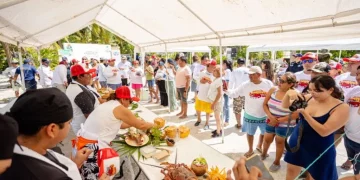
Mexico City hosts a number of international food festivals, including the Mexican Gastronomy Festival and Taco Fest, which attract food lovers from all corners of the globe. These festivals celebrate the diversity of Mexican cuisine, from street food stalls to Michelin-starred restaurants.
Additionally, culinary tours are an increasingly popular way for tourists to experience Mexico City’s food culture. These tours often include visits to local markets, food stalls, and cooking classes, allowing visitors to gain an insider’s perspective on the city’s food scene.
4.2 Recognition on the Global Stage
Mexico City has garnered accolades on the international stage, with restaurants such as Pujol, Quintonil, and Sud 777 consistently appearing on the World’s 50 Best Restaurants list. The city is now seen as one of the top food destinations globally, competing with cities like Paris, New York, and Barcelona.
Conclusion: Mexico City’s Enduring Culinary Legacy
Mexico City’s rise as the Culinary Capital of Latin America is no accident. Its unique blend of indigenous traditions, colonial influences, and modern gastronomic innovation has created a food culture that is rich, diverse, and constantly evolving. The city’s vibrant street food scene and cutting-edge fine dining establishments showcase the depth and complexity of Mexico’s culinary heritage. As the city continues to attract food enthusiasts from all over the world, Mexico City’s place as a gastronomic powerhouse is secure for years to come.