









Introduction
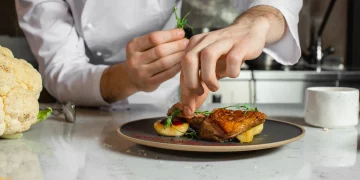
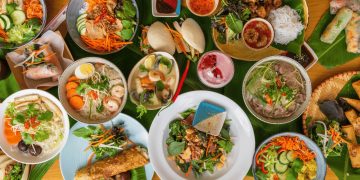
The global restaurant scene is undergoing a significant transformation, with cross-cultural culinary fusion at the forefront. In an increasingly interconnected world, food has become a vehicle for cultural exchange, creativity, and innovation. Restaurants around the world are breaking traditional boundaries by blending ingredients, techniques, and culinary philosophies from different regions and cultures. This fusion trend is not just about mixing flavors—it’s about creating new dining experiences that resonate with the diverse, ever-changing tastes of today’s globalized consumer.
As travelers become more adventurous in their palates and chefs seek new ways to captivate their audiences, global restaurants are leading the charge by offering dishes that merge the distinct culinary traditions of different continents. From Asian-Latin American combinations to European-Middle Eastern mashups, the possibilities are endless. The dynamic exchange between cultures has birthed some of the most exciting and innovative dining concepts, and this fusion movement shows no signs of slowing down.
This article will explore the ways in which global restaurants are pioneering the cross-cultural fusion trend, the factors that are driving this evolution, and the impact of this culinary revolution on the world of fine dining and casual eateries alike.
I. The Rise of Cross-Cultural Fusion Cuisine
1. The Origins of Cross-Cultural Fusion
Fusion cuisine is not a new concept. It has evolved over centuries as chefs have combined elements from different culinary traditions to create new dishes. However, in recent years, the trend has gained significant momentum, driven by a combination of factors such as globalization, immigration, and increased travel.
In the 20th century, the fusion movement was mainly seen in places like California, where chefs began experimenting with Asian ingredients and techniques, adding them to classic American or French dishes. Over time, this concept expanded across the globe, as people from different countries brought their unique culinary heritage to new regions. The result is the vibrant cross-cultural fusion dining scene we see today.
2. What Makes Fusion Cuisine So Appealing?
Cross-cultural fusion cuisine offers an exciting sensory experience by introducing unexpected combinations of flavors, textures, and aromas. It challenges traditional notions of what foods “should” taste like and pushes the boundaries of creativity. Fusion cuisine provides an opportunity for chefs to experiment and innovate while also reflecting cultural diversity.
Consumers are increasingly attracted to fusion dishes because they offer something new, exciting, and often exotic. For restaurants, the ability to innovate and differentiate themselves in a highly competitive market is essential. Fusion cuisine offers an avenue for restaurants to stand out by offering customers a unique dining experience that they may not be able to find elsewhere.
3. The Cultural and Social Drivers of Fusion Cuisine
Several factors are driving the growth of cross-cultural fusion cuisine in global restaurants:
- Globalization: As the world becomes more interconnected, people have greater access to international ingredients and culinary techniques. This access allows chefs to experiment with combinations that were previously unimaginable.
- Increased Immigration: As people from different countries move to new regions, they bring their culinary traditions with them, creating a dynamic exchange of flavors and ideas.
- Travel and Exposure: With more people traveling internationally for both business and leisure, they are exposed to new foods and flavors. This exposure often leads to a desire to experience or recreate these flavors back home.
- Social Media: Platforms like Instagram and TikTok have played a significant role in popularizing unique food trends. The visual nature of these platforms encourages chefs to create dishes that are both delicious and photogenic, often combining unexpected elements to create eye-catching presentations.
II. Key Examples of Cross-Cultural Fusion in Global Restaurants
Restaurants around the world are leading the charge in innovative fusion cuisine. Here are a few noteworthy examples of how restaurants are blending cultures, flavors, and ingredients to create exciting and innovative dishes:
1. Latin-Asian Fusion
The combination of Latin American and Asian cuisines has become a prominent trend in cities like Los Angeles, New York, and London. These two distinct culinary traditions share a love for bold flavors and spices, making them natural partners for fusion.
- Mexican Sushi: Sushi, a Japanese staple, has been adapted in Latin America by introducing ingredients such as avocado, cilantro, and spicy salsas into sushi rolls. These rolls often feature fillings like tuna or salmon paired with chipotle mayo or jalapeños, blending the delicate flavors of sushi with the bold, smoky elements of Mexican cuisine.
- Korean Tacos: Korean BBQ and Mexican tacos combine in restaurants across the U.S. to create an exciting, flavor-packed dish. Marinated Korean short ribs, grilled and sliced thin, are paired with soft corn tortillas, kimchi, and pickled vegetables, creating a fusion dish that is savory, spicy, and tangy all at once.
2. European-Middle Eastern Fusion
The intersection of European and Middle Eastern flavors has also become a popular area for innovation. The use of ingredients like pistachios, rose water, and yogurt from the Middle East, combined with the rich buttery textures and refined techniques of European pastries, has led to the creation of new hybrid desserts and savory dishes.
- Rose Water Lattes: In cafes around the world, traditional latte drinks are getting a Middle Eastern twist by infusing rose water, a common ingredient in Middle Eastern sweets, into the coffee. This floral note enhances the creaminess of the latte, creating a new and refreshing take on the classic coffeehouse drink.
- Baklava Croissants: The classic French croissant, with its flaky, buttery layers, meets the sweet, syrupy crunch of baklava in a fusion pastry. Chopped pistachios and honey syrup are added to the croissant dough, creating a hybrid pastry that is both decadent and satisfying.
3. African-European Fusion
Africa’s diverse culinary traditions are being embraced by European chefs, who incorporate African spices, ingredients, and cooking methods into classic European dishes. The combination of spicy, smoky, and earthy flavors with the refined techniques of French or Italian cuisine has given rise to dishes that are both bold and sophisticated.
- Jollof Risotto: The West African dish Jollof rice, made with tomatoes, peppers, and a variety of spices, is reimagined in Italy as a creamy risotto. The tomatoes and spices used in Jollof rice are incorporated into a traditional Italian risotto base, resulting in a fusion dish that combines African boldness with Italian elegance.
- Moroccan Lamb Tagine Pizza: Pizza has gone global, and it’s no surprise that chefs are experimenting with ingredients like lamb tagine, a traditional Moroccan stew, to top the crispy crust of a Western pizza. Spices like cumin, cinnamon, and saffron infuse the lamb, creating a rich and aromatic topping that’s balanced by the freshness of Mediterranean herbs.
III. The Impact of Cross-Cultural Fusion on Global Dining
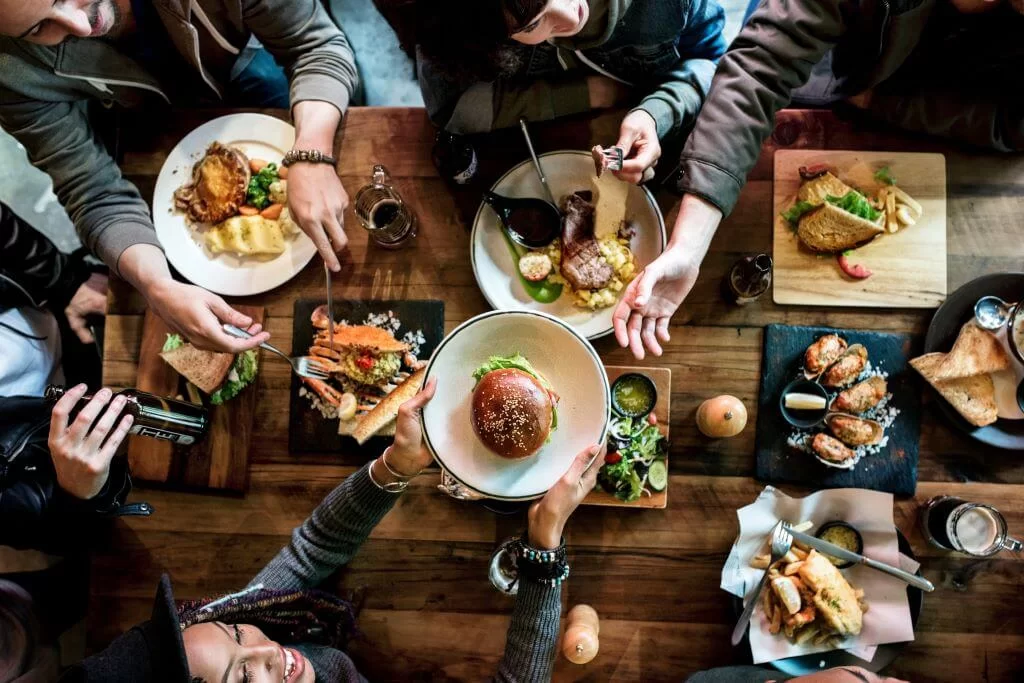
The cross-cultural fusion trend has not only influenced the food served in restaurants but has also impacted the dining experience as a whole. Today, restaurants are no longer limited to serving dishes from one region; instead, they create multisensory dining experiences that allow diners to travel the world without leaving their seats. Here’s how this trend is impacting the dining industry:
1. Reinventing Fine Dining
Many high-end Michelin-starred restaurants are embracing fusion cuisine as a way to showcase their creativity and challenge traditional dining norms. Renowned chefs like Nobu Matsuhisa, who famously fused Japanese and Peruvian cuisines, and Dominique Crenn, who blends French culinary artistry with diverse global influences, are at the forefront of this movement. These chefs have elevated fusion dishes to an art form, demonstrating that cross-cultural cooking can be both sophisticated and refined.
2. Changing Customer Expectations
As consumers grow more adventurous in their food choices, they are increasingly seeking restaurants that offer something unique and innovative. The rise of global fusion cuisine has raised expectations for what dining can be, with customers seeking new experiences that challenge their palates and expose them to new ingredients and techniques. This has pushed restaurants to keep innovating and adapting to ever-evolving trends.
3. Promoting Sustainability and Diversity
Cross-cultural fusion also promotes sustainability by encouraging chefs to incorporate local, seasonal ingredients from various regions. By experimenting with different ingredients and cooking methods from around the world, restaurants can create dishes that are not only innovative but also environmentally conscious. Additionally, the fusion movement celebrates diversity and the rich cultural heritage of different culinary traditions, fostering a more inclusive and open-minded approach to dining.
Conclusion
The fusion of culinary traditions is one of the most exciting and dynamic trends in the global restaurant industry today. Cross-cultural fusion offers a way for chefs to experiment, innovate, and bring new flavors to the table, all while celebrating the rich diversity of world cuisines. From Latin-Asian fusion to Middle Eastern-European hybrids, global restaurants are reshaping the way we think about food.
As the trend continues to evolve, it’s clear that fusion cuisine is not just a passing fad—it’s a reflection of the interconnected world we live in, where cultural exchange and culinary innovation are more prominent than ever before. The future of dining is undoubtedly global, and the boundaries of flavor, technique, and tradition will continue to blur as chefs from every corner of the globe come together to create truly exceptional food experiences.