









Introduction
The culinary world is evolving at an unprecedented pace, and nowhere is this transformation more evident than at international food festivals. These events have become a platform for young chefs to redefine the very foundations of cooking, often with a desire to challenge tradition and push boundaries. Gone are the days when the culinary elite focused solely on mastering the “classics” of French cuisine or Italian pastas. Today, young chefs are driven by a desire for innovation, often blending cultures, ingredients, and techniques that once seemed incompatible. They’re breaking rules, reimagining traditional dishes, and even creating entirely new food experiences that challenge what we think we know about cuisine.
International food festivals have become a key venue for these rule-breaking chefs to showcase their creativity, with young culinary talent from all over the world coming together to present dishes that reflect not only their technical skills but also their bold vision for the future of food. From new culinary techniques to the incorporation of unconventional ingredients, young chefs are leaving a lasting impression on the global food scene.
This article explores the rise of rule-breaking dishes at international food festivals, the motivations behind this trend, and the ways in which young chefs are using these festivals as a springboard to redefine what it means to cook, eat, and think about food in the 21st century.
I. The Changing Landscape of Global Food Festivals
1. The Evolution of Food Festivals
International food festivals have traditionally been a celebration of cultural heritage, where chefs from different regions would come together to showcase their native dishes. These events were focused primarily on authenticity and tradition, with a heavy emphasis on preserving culinary customs and honoring historical recipes.
However, in recent years, food festivals have evolved into something far more experimental and dynamic. The rise of food innovation and the increasing popularity of fusion cuisine have transformed these events into platforms for creativity, where the rules of traditional cooking are bent or even completely broken. Young chefs, often under the age of 35, are at the forefront of this transformation, bringing unconventional ingredients, cutting-edge techniques, and a bold approach to international food festivals.
2. The Appeal of Rule-Breaking Creations
The attraction to rule-breaking cuisine can be traced back to several trends in both the culinary and cultural worlds:
- Cultural Fluidity: The globalization of food has blurred the lines between traditional culinary boundaries. With people traveling more than ever before and experiencing diverse foods from around the world, young chefs are no longer confined to the techniques and flavors of their native regions. Instead, they’re free to experiment with a melange of global influences, incorporating everything from molecular gastronomy to street food inspirations in their dishes.
- Social Media Influence: The digital age has revolutionized how food is presented and consumed. Young chefs, who are often adept at using platforms like Instagram, TikTok, and YouTube, know that creating visually stunning, innovative dishes is essential for capturing attention. Social media has fueled the demand for food that’s not just delicious but also aesthetic and Instagrammable. This pressure to stand out has led to an explosion of avant-garde culinary techniques.
- A Desire for Personal Expression: For many young chefs, food is not just about feeding people—it’s about expressing identity, creativity, and values. Cooking offers a way for these chefs to communicate something personal, whether it’s a reflection of their cultural heritage, a critique of culinary norms, or a statement on sustainability.
II. Key Characteristics of Rule-Breaking Dishes
1. Innovation Through Fusion
One of the primary ways in which young chefs are breaking the rules is through fusion cuisine—combining ingredients and cooking techniques from different culinary traditions. This approach allows chefs to create entirely new dishes that transcend the limitations of traditional cooking.
- Mexican-Asian Fusion: A dish like sushi tacos, combining the fresh flavors of Japanese sushi with the spicy and savory elements of Mexican tacos, has become a prime example of this fusion approach. Miso, wasabi, and jalapeños are often used together to create a surprising blend of flavors that appeals to both adventurous eaters and those with more familiar palates.
- Nordic-Latin Fusion: Nordic ingredients like fermented vegetables and smoked fish are being paired with the bright, bold flavors of Latin America, such as mango, cilantro, and lime. This fusion creates an unexpected contrast between the earthy, umami-rich flavors of Scandinavian cuisine and the vibrant, citrusy notes of Latin cooking.
2. Reinventing Techniques and Presentation
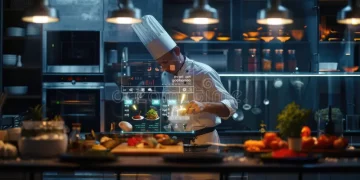
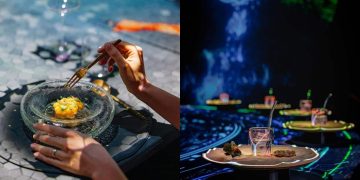
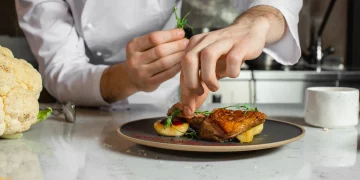
Young chefs are also redefining how food is prepared and presented. Techniques once reserved for high-end molecular gastronomy are now being used in unexpected ways at food festivals, with chefs looking to create new textures, flavors, and visual experiences.
- Molecular Gastronomy: Young chefs are embracing techniques like spherification, foaming, and liquid nitrogen to produce dishes that defy traditional expectations. For example, a dish may feature a tomato soup that is presented as a liquid sphere, allowing the diner to experience the taste in a whole new way.
- Deconstructed Dishes: Deconstruction allows chefs to take familiar dishes and break them down into their core elements, presenting them in a new and unexpected format. A deconstructed cheeseburger, for instance, might present the ingredients as separate components—miniature beef patties, cheese foam, and crispy bacon shards—creating an entirely new dining experience while maintaining the essence of the original dish.
3. Sustainability and Ethical Innovation
Another important trend among young chefs at food festivals is the growing emphasis on sustainable and ethical cooking practices. Many chefs are breaking the “rules” of traditional fine dining by foraging, reducing waste, and exploring alternative proteins like insects and plant-based foods.
- Zero-Waste Cooking: A growing number of young chefs are adopting zero-waste cooking principles, where every part of an ingredient is utilized. For example, vegetable scraps might be used to create a broth, or fish bones could be repurposed into a crunchy garnish. This sustainable approach not only reduces food waste but also forces chefs to become more innovative with their cooking.
- Alternative Proteins: The use of plant-based proteins and insects has gained popularity at food festivals as chefs seek to address environmental concerns. Dishes featuring plant-based meat or crickets are being presented alongside traditional proteins, offering a creative solution to the challenges of food security and environmental sustainability.
III. The Role of International Food Festivals in Shaping Culinary Trends
1. A Platform for Young Talent
International food festivals provide an unparalleled opportunity for young chefs to gain exposure and showcase their talents to a global audience. Events like the World’s 50 Best Restaurants, Taste of London, and the Melbourne Food & Wine Festival serve as launching pads for chefs eager to make their mark in the culinary world.
These festivals not only allow chefs to demonstrate their skills but also give them the chance to network with industry leaders, food critics, and fellow chefs. The recognition and prestige that come with presenting at such events can open doors to future opportunities, from high-end restaurant positions to culinary collaborations and even the opening of their own restaurants.
2. Inspiring Future Generations of Chefs
As young chefs continue to push culinary boundaries, they are inspiring a new generation of cooks and food enthusiasts to think outside the box. The rule-breaking creations seen at international festivals are sparking discussions about what it means to redefine tradition in the kitchen, inspiring both professional chefs and home cooks to experiment with their cooking and embrace new approaches.
3. Celebrating Diversity and Innovation
The rise of young chefs at international food festivals reflects a broader global trend toward celebrating diversity and innovation in the culinary arts. These chefs are taking the lessons they’ve learned from their own cultures and backgrounds and reinterpreting them in ways that make food a universal language—one that connects people, cultures, and ideas.
By challenging culinary conventions, young chefs are demonstrating that food is not just about following established recipes, but about creating something new—a reflection of the changing world we live in.
Conclusion
The trend of rule-breaking dishes presented by young chefs at international food festivals represents a thrilling new era in the culinary world. These chefs are reimagining what food can be, transforming the very act of cooking into an expression of creativity, cultural exchange, and sustainability. As global food festivals continue to showcase the best and brightest of culinary talent, it is clear that the future of food is in the hands of those who are willing to break the rules, experiment with new ideas, and chart a bold path forward. The next generation of chefs is not just cooking—they are reinventing the future of food.