






Introduction: A New Era in Culinary Innovation
In the world of modern gastronomy, the kitchen has transformed into a laboratory of creativity, where chefs are no longer bound by traditional cooking methods. The boundaries of culinary art have expanded significantly, as chefs embrace cutting-edge technology, scientific techniques, and experimental processes to create new textures, flavors, and presentations. Traditional cooking methods—such as roasting, grilling, and boiling—while still popular, have given way to more innovative practices that utilize a wider array of ingredients and tools.
The way ingredients are prepared and cooked has evolved far beyond what most of us know as conventional cooking. The development of techniques such as molecular gastronomy, the rise of sous-vide cooking, and the use of high-tech kitchen gadgets are reshaping the culinary world, enabling chefs to experiment with food in unprecedented ways.
This article will explore how the modern kitchen has evolved, how chefs are using non-traditional methods to manipulate ingredients, and how these changes are influencing dining experiences across the globe. We will examine the role of technology, science, and creativity in the kitchen, and look at how chefs are pushing the boundaries of what is possible with ingredients.
Section 1: The Evolution of the Modern Kitchen
The Advent of Technology in the Kitchen
Technology has been one of the driving forces behind the transformation of the kitchen in recent years. Gone are the days when the kitchen was simply a place to prepare food using basic tools and techniques. With the advent of advanced kitchen gadgets, smart appliances, and food science innovations, cooking has become a dynamic, highly experimental art.
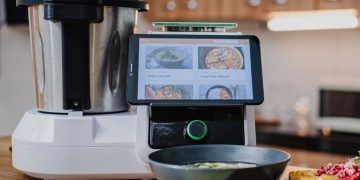
- Smart Kitchen Devices: Modern kitchens now boast a wide range of high-tech appliances designed to improve cooking precision, streamline tasks, and create new possibilities for food preparation. For instance, thermomix blenders, high-powered blenders, and induction cooktops are common in professional kitchens and home kitchens alike. These devices allow for more controlled cooking, faster prep times, and innovative food textures that would be difficult to achieve using traditional methods.
- Sous-Vide Cooking: One of the most revolutionary innovations in recent years is the sous-vide technique, where ingredients are vacuum-sealed and slow-cooked in water at precise temperatures. This technique allows for consistent cooking results, resulting in perfectly cooked meats, vegetables, and even desserts. Sous-vide cooking has gained popularity not only in restaurants but also in home kitchens, thanks to the development of affordable sous-vide machines.
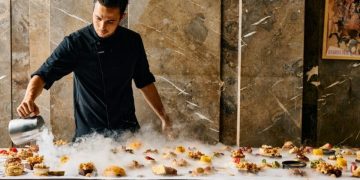
- Molecular Gastronomy: Perhaps the most radical departure from traditional methods is the rise of molecular gastronomy, which uses scientific principles and advanced techniques to manipulate the physical and chemical properties of ingredients. Techniques such as spherification, foam creation, and dehydration have enabled chefs to create stunning, experimental dishes that challenge our understanding of what food can be.
- Precision Cooking: Modern kitchens also feature devices like digital thermometers, temperature-controlled ovens, and smoke-infusing devices that give chefs more control over the cooking process. This level of precision allows for the creation of dishes with unique textures and flavors that would have been difficult, if not impossible, to achieve with traditional methods.
Section 2: Innovative Techniques and Their Impact on Ingredient Preparation
The Role of Science in Modern Cooking
Scientific principles have opened up new possibilities in the kitchen, allowing chefs to manipulate ingredients in ways that were once unimaginable. By understanding the chemical reactions that occur during cooking, chefs can harness science to create new textures, flavors, and presentations that surprise and delight diners.
- Spherification: Spherification is a technique popularized by chefs like Ferran Adrià and Heston Blumenthal, where liquids are turned into gelatinous spheres that burst in your mouth, delivering intense bursts of flavor. This method uses sodium alginate and calcium chloride to create spheres that look like caviar or pearls but are actually made from fruit juices, sauces, or even cocktails. The texture is unlike anything produced by traditional cooking methods, offering an exciting and interactive way to experience flavors.
- Foams and Espumas: Foams are another technique that has revolutionized modern cuisine. By using a molecular siphon and gas canisters, chefs can create airy, light foams from liquids such as broths, sauces, or juices. These foams add new textures and flavor profiles to dishes, and they can be used to complement meats, desserts, and even cocktails. The technique of creating espumas, or savory foams, has become a hallmark of molecular gastronomy, allowing chefs to create flavor-packed, light textures that provide a different experience of the ingredients.
- Dehydration and Freeze-Drying: Dehydration and freeze-drying have gained popularity in modern kitchens, particularly for their ability to create intense flavors and light textures that retain most of the original nutritional value. These methods remove moisture from ingredients, leaving behind concentrated flavors that can be rehydrated or used as powder to garnish dishes. For instance, dehydrated vegetables can be rehydrated in broths, while freeze-dried fruits are often used as toppings for desserts.
- Carbonation: Carbonating food is another technique that has emerged in modern cooking, bringing the effervescence of carbonated drinks into the realm of food. By adding carbon dioxide to liquids such as juices or even olive oil, chefs can create fizzy textures and enhance the flavors of the dish. Carbonation can also be used to create fizzy desserts or cocktails that provide an additional layer of sensory experience.
- Sous-Vide Cooking for Perfect Textures: Sous-vide cooking has become a game-changer when it comes to texture. By cooking food slowly in a vacuum-sealed bag at a low temperature for extended periods, sous-vide cooking ensures that meat remains tender, vegetables retain their shape, and delicate ingredients like fish or eggs achieve the perfect doneness. This technique allows chefs to focus on creating perfect textures while ensuring that flavors are deeply developed and consistent.

Section 3: Ingredient Innovation and Culinary Art
Beyond Traditional Ingredients: New Frontiers in Food
While traditional ingredients such as meat, vegetables, and grains remain at the core of many dishes, modern chefs are increasingly experimenting with new ingredients, alternative proteins, and sustainable foods. These ingredients often offer novel textures, flavors, and nutritional benefits, further expanding the possibilities of the modern kitchen.
- Alternative Proteins: As concerns over environmental sustainability and health continue to grow, chefs are exploring alternatives to traditional animal-based proteins. Plant-based proteins, like those found in tofu, tempeh, and seitan, have been around for years, but they are now being used in more creative and innovative ways. In addition to traditional meat substitutes, ingredients like lentils, chickpeas, and beans are being elevated through modern cooking techniques to create plant-based burgers, sausages, and even vegan foie gras. Furthermore, innovations in lab-grown meat are beginning to make their way into the culinary world, allowing chefs to experiment with cultured proteins that mimic the taste and texture of real meat without the environmental impact.
- Edible Insects and Invasive Species: Insects have long been a part of the global food culture, particularly in parts of Africa and Asia. However, with increasing interest in sustainable food sources, insects like crickets, mealworms, and grasshoppers are being incorporated into modern Western kitchens. These high-protein ingredients are being used in everything from protein powders to breads, bars, and snacks. Additionally, invasive species—such as lionfish, blue crab, and kudzu—are being used in kitchens to promote sustainable eating by using ingredients that threaten local ecosystems. Chefs are experimenting with these underutilized species to create new flavors while helping to address ecological concerns.
- Fermentation and Fermented Foods: Modern kitchens are also seeing a resurgence in the use of fermented foods, such as kimchi, kombucha, and sauerkraut. Fermentation has been used for centuries, but its health benefits and culinary versatility have caught the attention of modern chefs. The development of new fermentation techniques allows for the creation of unique flavors, textures, and aromas that elevate dishes in unexpected ways.
- Molecular Manipulation of Flavor: By understanding the science behind how flavors interact and develop, chefs are able to use molecular techniques to manipulate the flavors of ingredients, sometimes enhancing or altering their characteristics. Flavor encapsulation, for example, allows chefs to encapsulate flavors into spheres, powders, or gels that burst in the mouth, providing a new experience of the ingredient.
Section 4: The Future of Modern Kitchens: A Fusion of Technology and Tradition
Combining Tradition with Innovation
While the tools and techniques of modern kitchens continue to evolve, chefs are not abandoning traditional methods. Instead, there is a growing trend toward fusion cooking, where traditional culinary techniques are combined with innovative practices to create new dishes that respect the heritage of food while embracing modern advances.
- Sustainability and the Ethical Kitchen: The future of modern kitchens will be shaped by the growing emphasis on sustainability. With global concerns about food waste, energy consumption, and environmental impact, modern chefs are working to create more sustainable kitchens that incorporate ethical sourcing, zero-waste cooking, and locally-sourced ingredients.
- Culinary Collaboration: The modern kitchen is no longer a solitary workspace for chefs. With the rise of food technology, chefs are working alongside scientists, engineers, and designers to create new culinary experiences. Whether it’s through collaborative work with food technologists or partnering with designers to create interactive dining experiences, the modern kitchen is a space for interdisciplinary creativity.
Conclusion: The Boundless Possibilities of the Modern Kitchen
The modern kitchen has evolved into a space of endless possibilities. With the integration of new technology, scientific methods, and a deeper understanding of ingredients, chefs are pushing the boundaries of culinary art. From molecular gastronomy to the use of alternative proteins, modern kitchens are continually redefining how ingredients are prepared and consumed.
As we move forward, the role of the chef will continue to evolve, with creativity and innovation at the forefront of the culinary world. The modern kitchen is no longer just about following recipes—it is about exploring new frontiers in food, challenging the traditional notion of cooking, and creating an experience that engages all the senses.