









Introduction
In the modern world of health and wellness, the term superfoods has garnered significant attention, often celebrated for their ability to promote health, enhance longevity, and combat disease. But what exactly makes a food “super”? The key lies in their nutrient density, particularly their high content of antioxidants—compounds that play a crucial role in protecting the body from the damaging effects of free radicals. Free radicals are unstable molecules that can damage cells and lead to oxidative stress, a condition linked to chronic disease, aging, and inflammation.
Antioxidants are substances that neutralize these free radicals, reducing oxidative stress and protecting against cellular damage. Over the past few decades, research has increasingly pointed to the relationship between high-antioxidant foods and their ability to slow down the aging process and prevent the onset of age-related diseases. Superfoods such as blueberries, kale, goji berries, acai, and matcha are often touted for their potent antioxidant properties, which can provide a wide range of health benefits, from skin rejuvenation to cognitive protection.
This article will explore the connection between superfoods and antioxidants, delving into how these nutrient-packed foods contribute to anti-aging, disease prevention, and overall wellness. We will discuss the science behind antioxidants, the specific superfoods that are known for their antioxidant content, and how to incorporate them into a daily diet for optimal health.
I. Understanding Antioxidants: The Science Behind Cellular Protection
1.1. What Are Antioxidants?
At the most fundamental level, antioxidants are molecules that help protect cells from oxidative damage. They neutralize free radicals, which are highly reactive molecules that can damage proteins, lipids, and DNA in the body. Free radicals are produced naturally during various metabolic processes, such as digestion, breathing, and exercise, but their production can be exacerbated by factors such as pollution, radiation, smoking, and poor diet.
Free radicals are unstable because they are missing an electron. To stabilize themselves, they steal electrons from other molecules, causing a chain reaction of damage. This process, known as oxidation, is linked to the aging of cells and the development of a wide range of diseases, including heart disease, cancer, neurodegenerative disorders, and diabetes.
Antioxidants neutralize free radicals by donating an electron to stabilize them without becoming free radicals themselves. This process helps prevent cellular damage and can reduce the risk of chronic diseases associated with oxidative stress.
1.2. Types of Antioxidants
There are several different types of antioxidants, each playing a unique role in protecting the body. Some of the most well-known antioxidants include:
- Vitamin C: A potent water-soluble antioxidant found in fruits like oranges, strawberries, and kiwi. Vitamin C helps neutralize free radicals in the body’s watery environments, such as the bloodstream.
- Vitamin E: A fat-soluble antioxidant that protects cell membranes from oxidative damage. It is commonly found in nuts, seeds, and vegetable oils.
- Flavonoids: A large group of plant compounds found in foods like berries, tea, and dark chocolate. Flavonoids have powerful antioxidant effects and help protect against cardiovascular disease, inflammation, and cognitive decline.
- Carotenoids: Including beta-carotene, lutein, and zeaxanthin, carotenoids are antioxidants that give fruits and vegetables their red, yellow, and orange colors. They are particularly beneficial for eye health and have been linked to a reduced risk of age-related macular degeneration (AMD).
- Polyphenols: Found in foods like green tea, red wine, dark chocolate, and berries, polyphenols have been shown to have anti-inflammatory and antioxidant properties that protect against cancer and heart disease.
- Glutathione: Often referred to as the body’s “master antioxidant,” glutathione is produced naturally by the body and helps detoxify free radicals and other toxins.
1.3. The Role of Antioxidants in Anti-Aging
One of the most compelling benefits of antioxidants is their ability to slow the aging process. As we age, our bodies experience increased oxidative stress, which can lead to cellular damage, wrinkles, and decreased tissue function. Antioxidants help counteract this by neutralizing free radicals, protecting against DNA damage, and supporting the repair of aging cells.
For example, vitamin C, a powerful antioxidant, plays a critical role in collagen synthesis, which is vital for maintaining the skin’s structure and elasticity. Collagen production naturally declines with age, leading to sagging and wrinkles. By increasing the intake of antioxidant-rich foods, individuals can potentially slow the visible effects of aging on the skin.
Similarly, antioxidants like flavonoids and polyphenols have been shown to protect brain cells from oxidative damage, potentially reducing the risk of cognitive decline and neurodegenerative diseases such as Alzheimer’s and Parkinson’s.
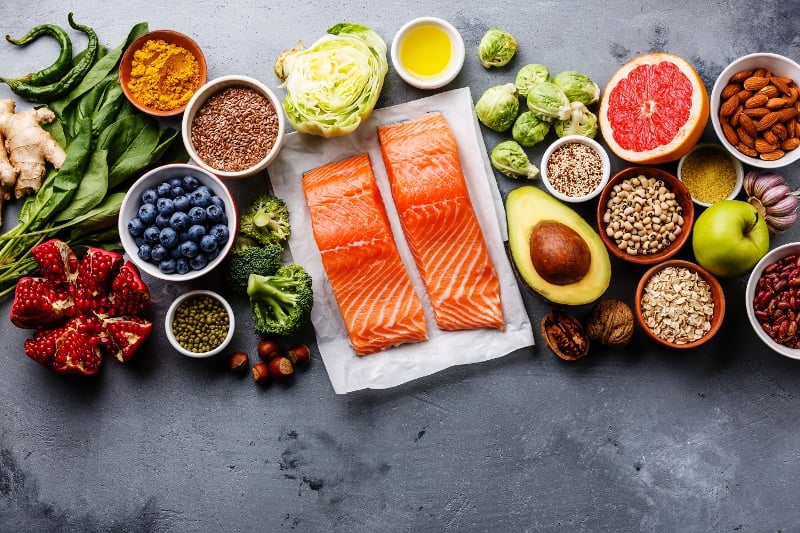
II. Superfoods: Nature’s Antioxidant Powerhouses
2.1. Defining Superfoods
Superfoods are nutrient-dense foods that are packed with essential vitamins, minerals, and antioxidants. These foods are considered “super” because of their ability to provide health benefits far beyond basic nutrition. Typically, superfoods are whole foods—that is, unprocessed or minimally processed—and are rich in compounds that promote overall health, support immune function, and reduce the risk of chronic disease.
While the term “superfood” is not scientifically regulated, many foods are commonly classified as such due to their high levels of bioactive compounds. These include:
- Antioxidants
- Essential fatty acids
- Vitamins
- Minerals
- Fiber
Some of the most well-known superfoods for their antioxidant content include:
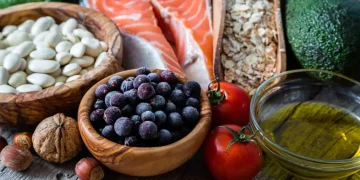
- Blueberries: Often touted as the king of superfoods, blueberries are loaded with anthocyanins, a type of flavonoid that has powerful antioxidant effects. Regular consumption of blueberries has been linked to improved cognitive function and reduced risk of heart disease.
- Acai Berries: Acai berries are rich in anthocyanins and polyphenols, both of which have potent antioxidant and anti-inflammatory properties. These berries have been shown to improve skin health, enhance energy levels, and reduce oxidative stress.
- Kale: This dark leafy green is packed with antioxidants such as vitamin C, beta-carotene, and flavonoids. Kale also contains sulforaphane, a compound with anti-cancer properties. Regular consumption of kale is linked to improved heart health and reduced inflammation.
- Spinach: Another leafy green, spinach is rich in antioxidants such as vitamin C, vitamin E, and lutein, which is beneficial for eye health. It also provides a good amount of fiber and iron, making it a great choice for overall vitality.
- Goji Berries: Known for their high vitamin C and beta-carotene content, goji berries are rich in antioxidants that protect skin cells from damage caused by free radicals. These berries are also known for promoting immune function and supporting liver health.
- Matcha: A type of green tea powder, matcha is loaded with catechins, a class of antioxidants that provide a range of health benefits, including improved metabolism and enhanced brain function. Matcha also contains L-theanine, an amino acid that promotes relaxation without causing drowsiness.
- Turmeric: The active compound in turmeric, curcumin, has powerful antioxidant and anti-inflammatory effects. Curcumin is known for its ability to combat oxidative stress, reduce inflammation, and support joint health. It also has potential anti-aging properties by promoting the health of brain cells.
2.2. How Superfoods Contribute to Anti-Aging
Superfoods are considered a powerful ally in the fight against aging because they help reduce the signs and symptoms of aging through their antioxidant content. By consuming a variety of superfoods, individuals can:
- Protect Skin from Aging: Antioxidants like vitamin C and beta-carotene help protect the skin from the harmful effects of UV rays and environmental pollutants, which accelerate the aging process. Foods rich in these antioxidants can promote healthier, more youthful skin.
- Promote Healthy Brain Aging: Superfoods rich in flavonoids, polyphenols, and omega-3 fatty acids help protect brain cells from oxidative damage, supporting cognitive function and reducing the risk of age-related conditions such as Alzheimer’s disease.
- Combat Inflammation: Chronic inflammation is a key driver of aging and age-related diseases. Superfoods such as turmeric, ginger, and berries have powerful anti-inflammatory effects that help reduce inflammation and improve overall health.
- Support Heart Health: Superfoods like avocados, nuts, and berries are rich in antioxidants and heart-healthy fats. By consuming these foods regularly, individuals can reduce their risk of cardiovascular diseases, which become more prevalent with age.
III. How to Incorporate Superfoods into Your Diet
3.1. Practical Tips for Superfood Consumption
Incorporating superfoods into your diet doesn’t have to be complicated or expensive. Here are some practical tips to ensure you’re getting the maximum benefit from these nutrient-dense foods:
- Smoothies: Blend superfoods like spinach, blueberries, acai, and matcha into smoothies for an antioxidant-rich meal or snack. Add some almond milk or coconut water for extra nutrients.
- Salads: Add leafy greens like kale and spinach to your salads. Top them with antioxidant-rich fruits like berries, goji berries, or pomegranate seeds.
- Snacks: Keep snacks like nuts, seeds, and dark chocolate on hand for an easy, nutrient-packed treat. These foods are rich in flavonoids and vitamin E, making them perfect for combating oxidative stress.
- Cooking with Turmeric: Incorporate turmeric into your meals by adding it to curries, soups, and stir-fries. You can also make a golden milk latte using turmeric and ginger for a soothing antioxidant-rich drink.
- Green Tea: Swap your regular cup of coffee for green tea or matcha to reap the benefits of catechins and L-theanine. These drinks can improve your metabolism, boost your energy, and protect your cells from damage.
IV. Conclusion: Superfoods as a Path to Longevity
The connection between superfoods and antioxidants is a critical one, especially in the context of anti-aging. Antioxidants help combat oxidative stress, reduce inflammation, and protect against the damage caused by free radicals. Superfoods, packed with antioxidants, are some of the most powerful tools available for promoting longevity, improving overall health, and protecting against the visible and invisible effects of aging.
By incorporating antioxidant-rich superfoods into your diet, you can harness the power of nature to protect your body from premature aging, support brain function, and reduce the risk of chronic diseases. Whether through vibrant fruits, nutrient-dense leafy greens, or potent spices like turmeric, superfoods offer an accessible and delicious way to stay healthy and youthful for years to come.