









Introduction: A Global Renaissance of Indian Spices and Ayurvedic Herbs
India’s rich culinary heritage is inextricably linked to its vast array of spices and herbs, many of which have been used for thousands of years not just for flavoring food but for their therapeutic properties. The global appeal of Indian spices has been steadily rising, and in recent years, Ayurvedic herbs—a cornerstone of India’s ancient healing tradition—have garnered increasing attention, especially in Western markets.
Ayurveda, which translates to “the science of life,” is an ancient system of medicine that has shaped health and wellness practices in India for over 5,000 years. It advocates for a holistic approach to health, focusing on balancing the mind, body, and spirit using natural remedies, including medicinal plants, herbs, and spices. As people across the world become more attuned to the value of natural wellness and plant-based solutions, the demand for Ayurvedic herbs and Indian spices is rapidly growing.
This article explores the reasons behind the surge in interest for Indian spices and Ayurvedic herbs in the Western world. We will examine the medicinal properties of these ingredients, their growing presence in global health trends, and how they are increasingly being used in both food and wellness products in the West.
1. Understanding Ayurveda: The Holistic Science of Healing
A. The Roots and Philosophy of Ayurveda
Originating in India over 5,000 years ago, Ayurveda is one of the world’s oldest systems of medicine. It emphasizes balance, both internally and externally, and considers every individual’s unique constitution (prakriti) when diagnosing and treating ailments. According to Ayurvedic philosophy, the body is composed of five elements—earth, water, fire, air, and ether—and health is defined by the balance of three doshas (energetic forces): Vata, Pitta, and Kapha.
- Vata is the energy of movement and is associated with the air and space elements. It governs bodily functions such as circulation, breathing, and nerve activity.
- Pitta represents transformation and digestion, related to fire and water elements. It governs metabolism, digestion, and body temperature.
- Kapha is the energy of structure and lubrication, linked to the earth and water elements. It governs bodily fluids, immunity, and growth.
Ayurvedic treatments aim to restore balance among these doshas using a variety of methods, including diet, herbal medicine, physical therapies, yoga, and meditation. Central to Ayurveda are herbs and spices, which are used to promote balance, detoxify the body, and treat specific ailments.
2. Ayurvedic Herbs and Spices: The Heart of Indian Medicine
A. The Medicinal Properties of Indian Spices
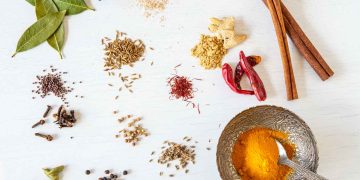
The healing properties of Indian spices have been documented in ancient texts, and today, these same spices are being rediscovered in the West for their therapeutic benefits. Some of the most widely recognized Ayurvedic herbs and spices include:
- Turmeric (Curcuma longa): Known for its vibrant yellow color and anti-inflammatory and antioxidant properties, turmeric is often called “the golden spice” in Ayurveda. It is traditionally used to improve digestion, detoxify the liver, and alleviate joint pain. Modern research has corroborated many of these claims, with studies linking turmeric to reduced inflammation and better cognitive health.
- Ashwagandha (Withania somnifera): Often referred to as “Indian ginseng,” ashwagandha is an adaptogen that helps the body cope with stress. It has been shown to reduce cortisol levels, improve energy, enhance mental clarity, and promote restful sleep.
- Holy Basil (Tulsi): Revered for its immune-boosting properties, tulsi is used to promote detoxification, reduce stress, and support respiratory health. It is also believed to help balance blood sugar levels and maintain a healthy heart.
- Ginger (Zingiber officinale): Ginger is known for its digestive and anti-nausea properties, making it an essential part of Ayurvedic remedies. It is frequently used in the treatment of digestive issues such as bloating, indigestion, and constipation.
These spices not only provide flavor but are also regarded as powerful remedies that support digestive health, immune function, and overall well-being.
B. The Role of Ayurvedic Herbs in Modern Wellness
As people in the West increasingly seek natural alternatives to conventional medicine, Ayurvedic herbs and spices have become central to the modern wellness movement. The appeal lies in the holistic nature of Ayurveda—its focus on balance, preventative care, and natural remedies that promote long-term health.
In addition to their culinary uses, Ayurvedic herbs are now available in various forms such as supplements, tinctures, teas, and essential oils, which are marketed to address specific health concerns, from stress management to digestive health. Ayurvedic formulations, including turmeric capsules, ashwagandha supplements, and tulsi teas, are gaining popularity in Western health stores and online markets.
3. The Surge in Popularity of Indian Spices in Western Kitchens
A. The Appeal of Indian Spices in Global Cuisine
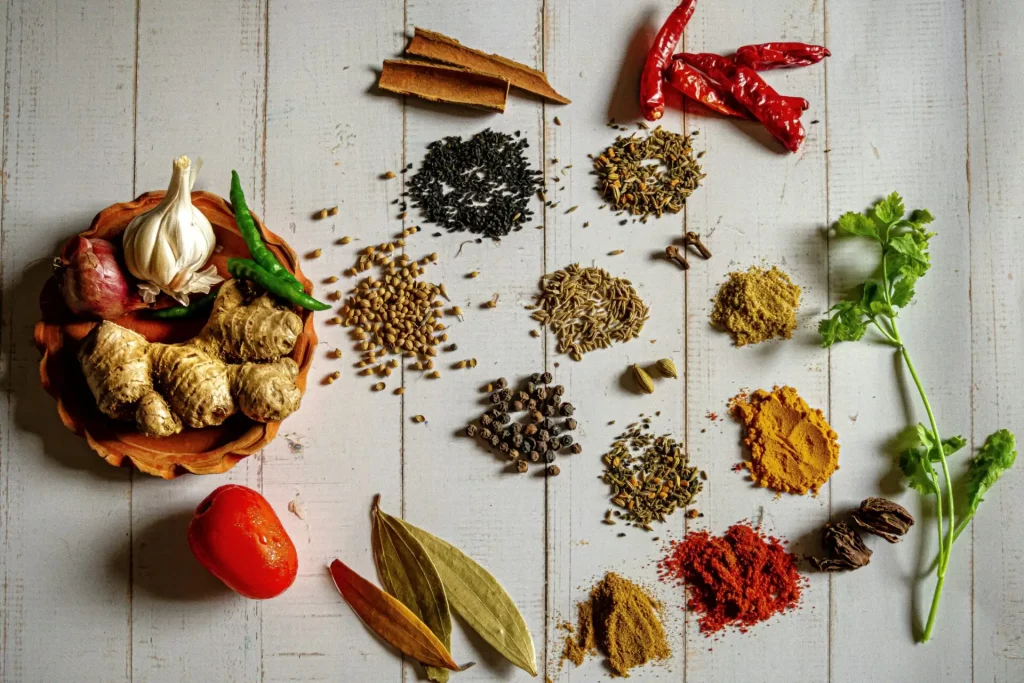
Indian cuisine is renowned for its bold flavors, rich textures, and complex spice blends. Over the years, Indian spices like cumin, coriander, cardamom, and fenugreek have become increasingly prominent in Western kitchens, both in restaurants and home cooking. Spices such as turmeric and ginger have gained traction not only for their flavor but also for their medicinal properties.
- Turmeric is now found in a variety of products, from turmeric lattes (golden milk) to turmeric-infused smoothies, as consumers seek its anti-inflammatory and antioxidant benefits.
- Cumin and coriander are commonly used in everything from roasted vegetables to soups, offering rich, aromatic flavors that complement a wide range of dishes.
Chefs in Western restaurants are also experimenting with traditional Indian spices, creating fusion dishes that blend Indian and Western culinary traditions. For example, turmeric risotto, cardamom-spiced cakes, and cumin-roasted chicken have become staples on contemporary menus.
B. Spices as Functional Ingredients
Indian spices have also become important ingredients in functional foods—foods that offer health benefits beyond basic nutrition. As consumers become more aware of the role that diet plays in preventing disease, there is a growing demand for nutrient-dense foods that can support immune health, gut health, and mental well-being. Indian spices such as turmeric, ginger, and black pepper are often promoted for their anti-inflammatory and digestive benefits.
- Turmeric supplements: With research supporting turmeric’s ability to reduce chronic inflammation, turmeric-based supplements are among the most sought-after wellness products in the West.
- Ginger teas: Known for its ability to aid digestion and alleviate nausea, ginger is commonly consumed in the form of herbal teas or infusions.
These functional uses of Indian spices are now firmly embedded in the Western wellness landscape.
4. Ayurvedic Herbs and Spices in Western Beauty and Skincare
A. The Integration of Indian Spices into Beauty Products
In addition to their culinary and medicinal applications, Ayurvedic herbs and Indian spices are gaining popularity in the beauty and skincare industries. Known for their antioxidant, anti-aging, and anti-inflammatory properties, these herbs are now being incorporated into cosmetics, serums, face masks, and lotions. The increasing demand for natural and plant-based beauty products has propelled Ayurvedic herbs to the forefront of the skincare industry.
- Turmeric is often found in face masks and creams, prized for its ability to brighten the skin and reduce the appearance of dark spots.
- Neem oil, derived from the neem tree, is used in anti-acne treatments for its antibacterial properties.
- Sandalwood, known for its soothing and calming properties, is used in lotions and soaps to improve skin texture and tone.
These Ayurvedic ingredients are valued not only for their effectiveness but also for their holistic, sustainable, and natural origins.
5. The Future of Ayurvedic Herbs and Indian Spices in Western Markets
A. Increasing Awareness and Acceptance
As more people turn to natural and sustainable solutions for health, wellness, and beauty, the demand for Ayurvedic herbs and Indian spices is expected to continue to grow. With an increasing number of people seeking alternatives to pharmaceutical treatments and conventional beauty products, Ayurveda presents an attractive option that appeals to those seeking holistic and plant-based solutions.
B. Challenges and Opportunities
While the growing interest in Ayurvedic herbs and spices is encouraging, there are challenges to consider, such as the quality control of herbal products, standardization of doses, and cultural misinterpretations of Ayurveda in the West. However, with proper education and increased research into their effectiveness, Ayurvedic herbs are likely to become a permanent fixture in the global health and wellness market.
Conclusion: A Timeless Tradition in a Modern World
The increasing demand for Indian spices and Ayurvedic herbs in Western markets is a testament to the growing global consciousness of health, wellness, and sustainability. As more people discover the profound benefits of Ayurveda and the therapeutic properties of Indian herbs, we are likely to see further integration of these ancient remedies into modern lifestyles.
The recognition of these ingredients for their ability to balance the mind, body, and spirit is not just a passing trend but a movement that highlights the timeless relevance of Ayurveda in today’s world. Whether in the form of spices in the kitchen or herbs in beauty products, Ayurvedic wisdom continues to shape global wellness practices and enrich lives across cultures.