






Introduction: The Intersection of Global Culinary Cultures
The advancement of globalization has led to unprecedented levels of interaction between cultures, and one of the most fascinating effects of this phenomenon is the fusion and interchange of culinary traditions. Over the past few decades, the world’s food cultures have crossed boundaries and merged in ways that were once unimaginable. From the spread of international cuisines to the emergence of fusion dishes, the act of preparing and enjoying food has become an increasingly global and multicultural experience.
In this article, we will explore how the forces of globalization are shaping the food industry, how different culinary traditions are being combined, and what this means for both the global food market and our daily dining experiences. We will discuss the role of migration, trade, and technology in the globalization of food, the emergence of fusion cuisine, and the future implications for food cultures worldwide.
1. The Forces Driving Globalization in the Culinary World
Globalization, at its core, refers to the increased interconnectedness and interdependence of people, economies, and cultures. The food industry, like many others, has been deeply impacted by these changes. Several key factors have contributed to the integration of global culinary cultures:
A. Migration and the Movement of People
One of the most significant drivers of global food exchange has been migration. As people move across borders, they bring their culinary traditions with them. Immigrants and expatriates contribute not only to the labor force of their new home countries but also introduce their food culture to a wider audience.
Cities such as New York, London, Toronto, and Sydney have long been cultural melting pots, where the influence of migrant communities is reflected in the food that is served. From the popularity of Italian pasta in the United States to the widespread consumption of Chinese dim sum in London, migration has introduced new tastes, ingredients, and cooking techniques to diverse populations.
B. Global Trade and Ingredient Access
The expansion of global trade has made ingredients from all over the world more accessible than ever before. In the past, many ingredients were regional, but today, the global food market allows for the import and export of spices, vegetables, fruits, and meats from virtually every corner of the world. This easy access to international ingredients has allowed chefs and home cooks alike to experiment with dishes from various cultures.
Take the spices of India, for example, which are now found in many supermarkets worldwide. The ubiquity of ingredients like curry powder, cardamom, turmeric, and cumin has encouraged the blending of Indian flavors with those of other cuisines. Similarly, the widespread availability of Mexican chilies and salsas, or Japanese miso and seaweed, has led to the incorporation of these ingredients in non-traditional dishes.
C. Technology and Digital Connectivity
The rise of digital media and the internet has had a profound impact on how food cultures are shared and disseminated globally. Platforms like Instagram, YouTube, and TikTok have made food a universal language. Videos of cooking tutorials, food challenges, and viral recipes quickly cross geographical borders, influencing food trends worldwide. The internet has made it easier for chefs to share their interpretations of global dishes, and for everyday cooks to access recipes and cooking techniques from other cultures.
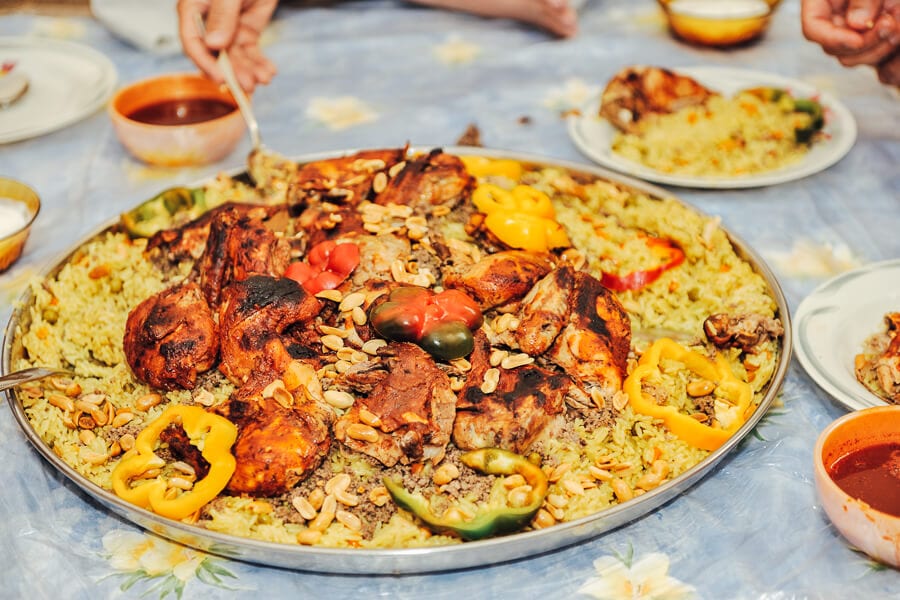
Moreover, the proliferation of food apps, online grocery stores, and recipe blogs has made it simple for consumers to experiment with ingredients from different culinary traditions in their own kitchens. People in countries as diverse as Brazil, Australia, and South Korea are now able to cook Italian pasta, Middle Eastern kebabs, or Japanese sushi with ingredients they can easily find locally.
2. Fusion Cuisine: The Symbiosis of Culinary Traditions
At the heart of globalized food culture lies fusion cuisine—the blending of ingredients, techniques, and flavors from different culinary traditions. Fusion cuisine has exploded in popularity in recent years, with innovative chefs creating dishes that combine the familiar with the foreign to produce exciting new flavors and dining experiences.
A. The Evolution of Fusion Cuisine
Fusion cuisine has roots in colonial trade routes, where ingredients from one region would influence the cooking of another. Over time, this exchange became more formalized in the restaurant industry, with chefs from Europe, Asia, and the Americas borrowing from each other’s techniques and flavors. However, it was only in the late 20th century that fusion cuisine truly began to take hold in the culinary world.
In the United States, for example, the California cuisine movement of the 1980s, led by chefs such as Wolfgang Puck, blended French techniques with locally sourced California ingredients, incorporating Asian and Mexican influences. The rise of fusion restaurants during this time was marked by Asian-Mexican tacos, French-Asian fusion dishes, and Italian-Asian pasta dishes. This approach, which combined the traditional with the experimental, captured the imagination of a global audience eager for new experiences.
B. Street Food and the Democratization of Fusion
While fusion cuisine has traditionally been associated with fine dining, the street food scene has been a significant player in the globalization and popularization of fusion dishes. As street food culture has expanded in cities around the world, food vendors have embraced the blending of culinary styles in innovative ways.
For instance, Korean tacos—a hybrid of Korean barbecue and Mexican tacos—have become a popular dish in the United States, first gaining fame from food trucks in Los Angeles. Similarly, Japanese sushi burritos and Indian-Chinese dishes like Manchurian chicken have become staples of street food menus in cities such as New York and London. These fusion dishes appeal to diverse communities, offering an opportunity to explore different culinary traditions while also creating something uniquely contemporary.
3. The Cultural Significance of Food Fusion
Fusion cuisine represents more than just the blending of ingredients. It also reflects deeper questions about identity, authenticity, and cultural appropriation. As culinary practices cross borders, there is an ongoing conversation about the ownership of food traditions and the potential for cultural dilution.
A. The Debate Over Authenticity
One of the most common criticisms of fusion cuisine is that it dilutes the authenticity of traditional dishes. Some argue that by blending ingredients from different cultures, fusion cuisine undermines the historical significance and cultural importance of established dishes. For example, the Japanese sushi roll has been adapted in various ways around the world, from California rolls to tempura sushi, which some purists claim is a departure from the true essence of Japanese sushi.
However, others argue that fusion cuisine is an evolution rather than an erasure of tradition. They point to the fact that all cuisines evolve over time, influenced by factors like migration, colonization, and trade. Just as pasta in Italy was influenced by ingredients from the Middle East, today’s fusion dishes represent the latest chapter in the ongoing story of food culture.
B. Cultural Appropriation and Culinary Innovation
The rapid rise of fusion cuisine has also sparked discussions about cultural appropriation. Critics argue that some chefs and restaurants profit from combining elements of other cultures’ food without proper acknowledgment or respect for the origins of these ingredients and techniques. The term cultural appropriation is particularly sensitive in the culinary world, where food is often deeply intertwined with cultural identity and heritage.
At the same time, many chefs and food innovators argue that culinary innovation should be celebrated, and that food is meant to be shared, enjoyed, and transformed across cultures. In this sense, fusion cuisine can be seen as a celebration of cross-cultural exchange and a recognition of the shared humanity that underpins all culinary traditions.
4. The Future of Food: Sustainability and Global Culinary Practices
As the globalization of food continues, there are growing concerns about the environmental impact of global food systems. The movement of food across borders, particularly in the form of mass-produced goods, contributes to greenhouse gas emissions, food waste, and the depletion of natural resources.
A. The Need for Sustainable Practices
As consumers become more aware of the environmental footprint of their food choices, there is increasing demand for sustainable sourcing of ingredients. This includes supporting local food systems, reducing food waste, and ensuring that ethical practices are followed in the production and transportation of food.
The rise of plant-based diets and lab-grown meat has also garnered attention as part of efforts to reduce the environmental impact of traditional meat production. These innovations are part of a larger conversation about sustainable food systems and how global culinary trends can align with the needs of a planet facing the challenges of climate change.
B. Technological Innovations in Global Food Systems
Technology will continue to play a crucial role in the evolution of food culture. From advanced farming techniques and vertical farming to 3D-printed food and lab-grown protein, technology promises to revolutionize how food is produced, distributed, and consumed globally. These innovations will allow for greater food security, diversity, and sustainability, ensuring that global food systems can adapt to meet the needs of future generations.
Conclusion: A Shared Culinary Future
The globalization of food has brought us closer together, creating a world where diverse culinary traditions can be celebrated and experienced by people from all corners of the globe. Fusion cuisine, in particular, represents a dynamic and evolving intersection of cultures, flavors, and techniques that is transforming the way we approach food.
As we continue to share, adapt, and innovate, the world’s culinary landscape will only become more interconnected and diverse. In this new era of food, the beauty of culinary cultures lies in their ability to merge, evolve, and transcend boundaries, creating a universal language of flavor and creativity.
The future of food is, without a doubt, global, dynamic, and unified—and we are all participants in this exciting culinary journey.