









Introduction: The Birth of the Slow Food Movement
The Slow Food movement, which originated in Italy in the 1980s, has grown into a global phenomenon that champions food sovereignty, local ingredients, and sustainable agricultural practices. It was a direct response to the growing globalized food industry, which emphasized convenience over quality, and standardization over local diversity. Founded by Carlo Petrini in 1986 as a reaction against the opening of a McDonald’s in Rome’s historical Piazza di Spagna, Slow Food calls for a return to local, seasonal, and traditional food practices that honor both the authenticity and cultural heritage of food.
At its heart, the Slow Food movement is about respecting food origins, embracing handcrafted culinary techniques, and fostering a deeper connection between food producers and consumers. The movement emphasizes the slow enjoyment of food, the importance of savoring every bite, and the intrinsic link between food, community, and culture.
In this article, we explore the roots of the Slow Food movement in Italy, its rise to international prominence, and its enduring impact on how we perceive food today. By delving into the philosophy behind Slow Food, we also explore how it advocates for local food systems, the protection of biodiversity, and the revival of traditional cooking techniques that are in danger of disappearing.
1. The Philosophy of Slow Food: A Rejection of Fast-Paced Food Culture
The Slow Food movement rejects the rapid and impersonal nature of the modern food industrial complex. Fast food chains, processed foods, and global supply chains have increasingly replaced local farms and artisanal production. The movement is built around the belief that food should be more than just fuel; it should be an experience that connects people with their environment, culture, and the labor that goes into producing it.
Respecting Food Origins: Knowing Where Your Food Comes From
One of the core principles of Slow Food is the respect for the origins of ingredients. The movement urges consumers to understand where their food comes from, how it is grown or raised, and the labor and sustainability practices involved in its production. By focusing on local and seasonal ingredients, Slow Food advocates for a food system that supports small-scale farmers, artisanal food producers, and traditional agricultural practices.
This focus on local ingredients not only helps preserve regional food identities but also supports biodiversity. For example, the Slow Food movement promotes the cultivation of heirloom varieties of fruits, vegetables, and grains that are suited to local climates and farming practices, which are often more resilient and sustainable than industrial crops.
Handcrafted Food: Valuing Artisanal Practices
In an age of automation and mass production, Slow Food seeks to elevate handcrafted, small-batch food production. Whether it’s cheese-making, bread-baking, or cured meats, the movement advocates for the preservation of traditional skills that have been passed down through generations.
By supporting artisanal methods of food production, Slow Food ensures that time, skill, and attention to detail are not lost in favor of mass production. The emphasis on handcrafted food is also linked to a broader understanding of the human connection to food production, where craftsmanship and artistry are celebrated in every bite.
2. The Slow Food Movement’s Italian Origins
The Slow Food movement is deeply rooted in Italy, a country with a rich food culture and an ingrained tradition of regional cuisines. The Italian food philosophy emphasizes seasonality, local ingredients, and the joy of sharing meals with family and friends. It was in this context that Slow Food was born.
The Birth of Slow Food in Italy
In the mid-1980s, the opening of a McDonald’s in Rome’s Piazza di Spagna sparked a protest led by Carlo Petrini and a group of food advocates. This protest was not just against fast food but also against the homogenization of global food culture. Petrini and his colleagues saw the spread of fast food as part of a larger issue: the disappearance of local food traditions and the erosion of the diverse food heritage of Italy.
In 1989, the Slow Food International was officially founded in Bra, a small town in Piedmont, Italy. The goal was to promote local food systems, support sustainable agriculture, and foster culinary diversity. From the beginning, Slow Food’s message was clear: food should be enjoyed slowly, with care and consideration, and should be linked to the culture and traditions of the places where it is produced.
The movement rapidly spread beyond Italy’s borders, attracting supporters in over 160 countries and leading to the creation of the Slow Food Foundation for Biodiversity to protect endangered food products.
The Role of Italian Food Traditions in Slow Food
Italian food is known for its deep connection to the land and its cultural significance. The diversity of regional food traditions across Italy—from Sicilian couscous to Tuscan ribollita and Piedmontese agnolotti—reflects the country’s agricultural richness and culinary history. These food traditions, which have evolved over centuries, form the bedrock of the Slow Food movement’s philosophy.
By emphasizing the importance of traditional recipes and local ingredients, the Slow Food movement in Italy aims to preserve these culinary practices and prevent them from being replaced by globalized, processed alternatives.

3. Slow Food as a Global Movement: Protecting Biodiversity and Promoting Sustainability
While Slow Food began in Italy, its philosophy quickly spread worldwide as a call to action for protecting culinary heritage, promoting sustainability, and preserving food diversity. The movement’s principles are now applied in diverse cultures and regions, with a focus on protecting local food systems and promoting eco-friendly farming practices.
The Ark of Taste: Protecting Endangered Foods
One of Slow Food’s most innovative initiatives is the Ark of Taste, which catalogs foods that are at risk of extinction due to industrialization and globalization. These foods include traditional breeds of livestock, rare vegetables, fruits, and even specific cooking methods that are in danger of disappearing. By raising awareness about these endangered foods and encouraging their preservation, the Ark of Taste helps ensure that valuable culinary knowledge is not lost.
For example, in Italy, the Cinta Senese pig, a traditional breed native to Tuscany, is included in the Ark of Taste. The breed was once on the brink of extinction due to the rise of industrial pork production. Through the efforts of Slow Food and local farmers, the breed has been revived, allowing for the continuation of traditional cured meat production in Tuscany.
Sustainable Food Systems: Supporting Local Farmers and Communities
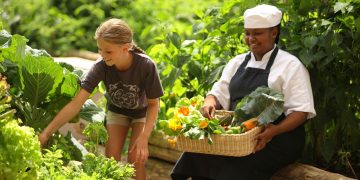
A key component of the Slow Food movement is its commitment to supporting sustainable food systems that are based on the principles of localization and fair trade. Slow Food encourages consumers to purchase food from local farmers who use environmentally friendly practices, such as organic farming and crop rotation, which help maintain soil health and reduce reliance on harmful chemicals.
In addition, Slow Food advocates for fair wages for farmers and workers, ensuring that the people who produce our food are compensated fairly for their labor. This also means supporting small-scale farmers who often face challenges from large agribusinesses and international trade.
The Role of Education and Advocacy
To promote these ideals, Slow Food invests heavily in education and advocacy. The movement encourages schools, restaurants, chefs, and individuals to learn about and engage with local food systems. It also partners with organizations that promote food sovereignty, fair food systems, and environmental justice.
Through its Terra Madre (Mother Earth) network, Slow Food connects local food communities around the world to exchange knowledge and ideas about preserving food traditions and promoting sustainable practices. The Terra Madre gathering, held every two years in Turin, Italy, brings together thousands of food producers, chefs, and activists to discuss the future of food and agriculture.
4. The Future of Slow Food: A Growing Movement
As the world faces increasing challenges such as climate change, food insecurity, and the rise of industrial food production, the Slow Food movement has become more relevant than ever. The values of authenticity, sustainability, and cultural preservation that Slow Food promotes are gaining traction in response to the environmental and ethical concerns that many consumers have today.
From small artisanal food cooperatives to large-scale sustainable farms, the principles of Slow Food are being embraced globally. Consumers are increasingly seeking out food that is not only nutritious but also supports the health of the planet and the well-being of local communities. This shift in consciousness, driven by the Slow Food movement, has the potential to reshape the future of food and culinary culture.
Conclusion: A Call to Slow Down and Savor Food
The Slow Food movement calls for a return to authentic food practices, where food is valued not just as sustenance but as an experience to be savored and shared. By focusing on the origins of ingredients, respecting handcrafted traditions, and supporting local farmers, the Slow Food movement has created a new culinary paradigm that values diversity, sustainability, and cultural heritage.
As we move forward in an increasingly fast-paced and industrialized world, the lessons of the Slow Food movement are more important than ever. It is a reminder that food is not just something to be consumed quickly, but something to be enjoyed, celebrated, and cherished—slowly.